An Update on the $300,000 Rally Career Development Award to Dr. Rodriguez-Blanco for Medulloblastoma Research In December 2022, Rally...
Rally Career Development Research Grant Award Update
read more
An Update on the $300,000 Rally Career Development Award to Dr. Rodriguez-Blanco for Medulloblastoma Research In December 2022, Rally...
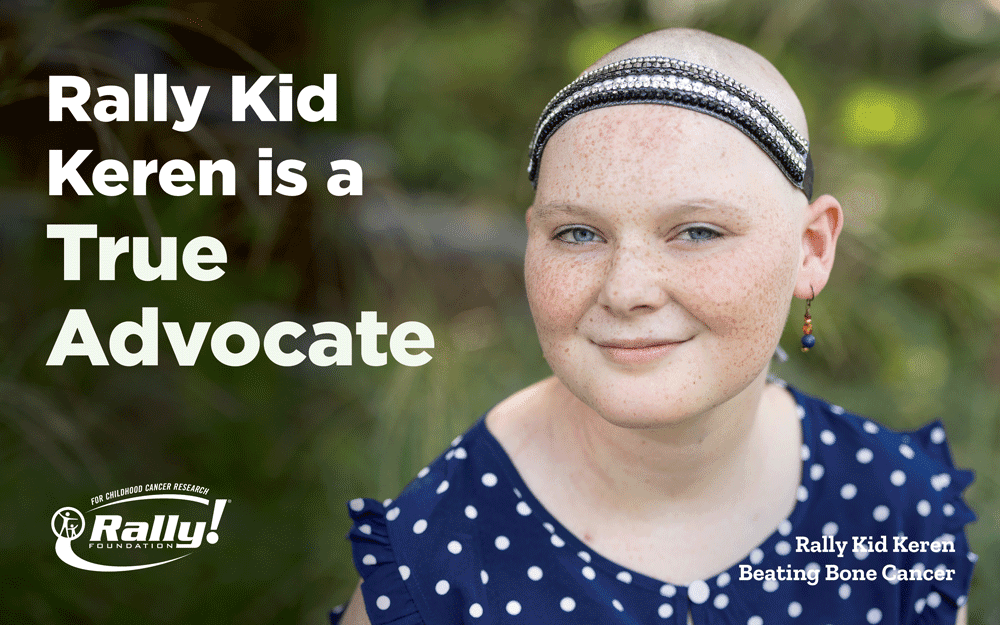
“I have been fighting cancer and the side effects since 2017,” shares Rally Kid Keren, who beat rhabdomyosarcoma almost five years before...

Passion for Pediatric Cancer Patients and Research Drives Meaningful Discovery “Every day, I’m motivated to discover more through research...
ATLANTA (September 1, 2022) – After six years of intense advocacy with Department of Defense (DOD) Subcommittee members, Rally Foundation...
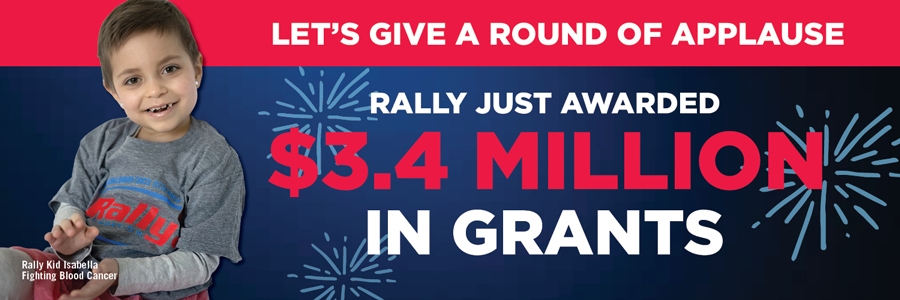
Rally Foundation for Childhood Cancer Research Awards $3.4 Million in Grants This year, 51 researchers from 31 institutions across the...
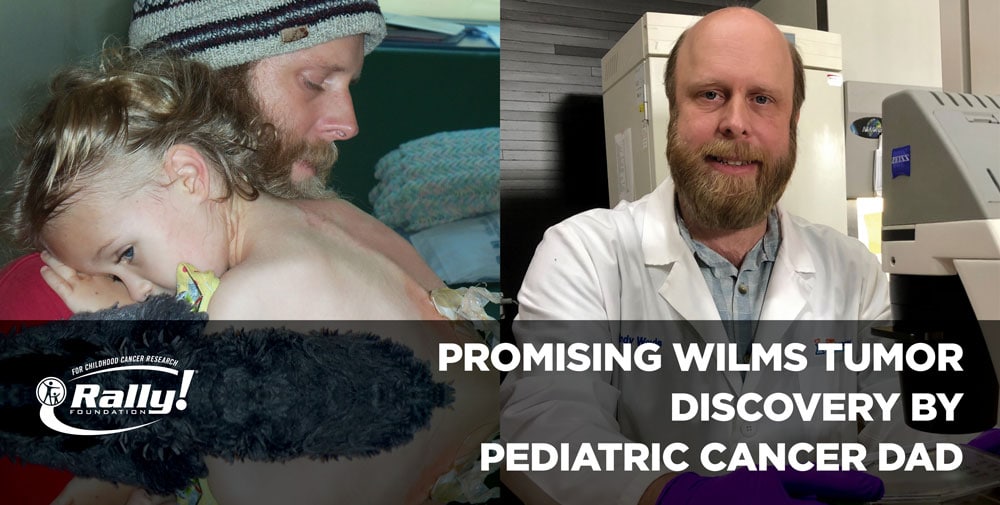
Rally Foundation for Childhood Cancer Research (Rally) likes funding outside-the-box ideas and, at times, funding outside-of-the-box...
A key part of Rally’s mission is to find better treatments with fewer long-term side effects, and for almost a decade. Rally has invested...
Osteosarcoma (OS) is a type of cancer that begins in the cells that form bones, and mainly affects teenagers and young adults. In...
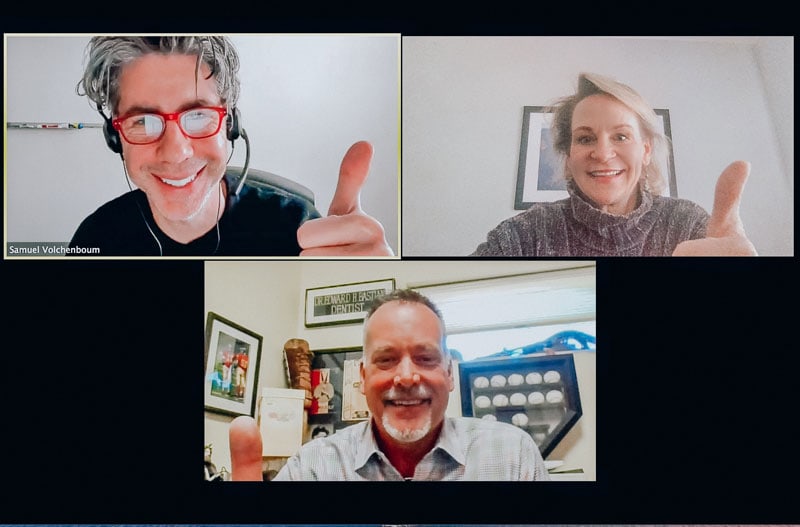
Rally is proud to be the initial funder for the creation of the INSTRuCT Database with a Consortium Grant to Dr. Sam Volchenboum of the...
Glioblastoma (GBM) in children and adults is a deadly brain tumor with a poor prognosis. Current treatment includes surgery to remove as...
Rally Foundation for Childhood Cancer Research is excited to announce new developments in the treatment of childhood acute myeloid...
At Rally Foundation for Childhood Cancer Research, we often describe ourselves as “philanthropic seed investors in the next great...
When to Build a New Bridge I love Rally. I love all the unique opportunities it provides—like building a bridge. Who knew? But first, a...
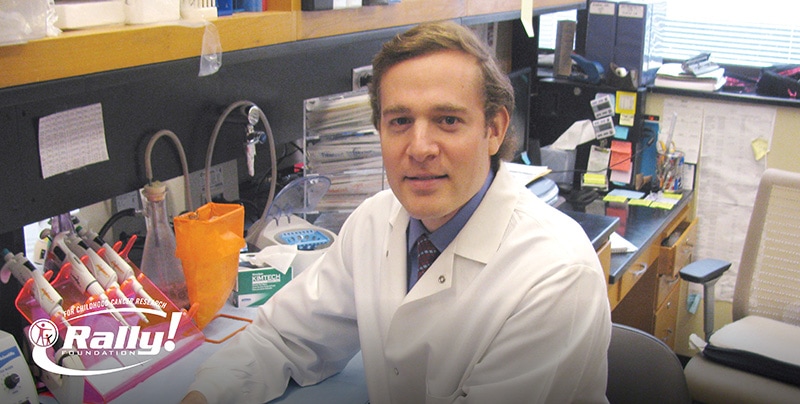
Chills ran up and down my arms when I opened the link that Rally-funded researcher Dr. Gregory Friedman sent. I was staring at the New...
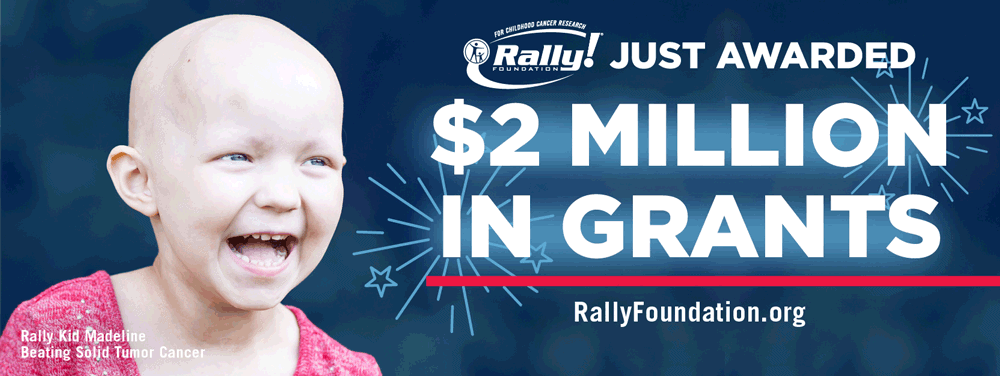
Can you believe it? Rally Foundation for Childhood Cancer Research just awarded $2 million in childhood cancer research grants. If you had...
Before we get to that, let’s first address the difference between a postdoctoral fellow and a clinical research fellow. It can definitely be confusing. A postdoctoral fellow, also called a postdoc, is someone who completed a Ph.D. program and is now conducting research under the guidance of a principal investigator (mentor) with the goal of one day having their own lab. A clinical research fellow is someone who graduated from medical school and completed their residency. The fellowship...
Lymphoma is a cancer of the body’s lymphatic (lymph) system which is essential to the immune system. The lymphatic system is made up of a type of white blood cells also known as lymphocytes which flow throughout the whole body. These lymphocytes fight infections throughout the body, so when cancerous cells begin to grow they can quickly spread through the entire lymph system. This then makes it difficult for the immune system to work properly. Early symptoms of lymphomas usually begin with a...
Chronic myeloid leukemia (CML) is a type of blood cancer that causes an overproduction of white blood cells. These cells grow abnormally and can build up in the blood and bone marrow, leaving less room for healthy white and red blood cells as well as platelets. CML is commonly associated with a genetic mutation called the Philadelphia chromosome. While CML is very rare in children, with about 150 pediatric cases in the U.S. each year, it’s often more aggressive in kids than it is in adults....
Neuroblastoma is a cancerous tumor that develops in the nervous system of babies and young children. It can also occur, rarely, in adolescents. A neuroblastoma tumor often affects immature nerve tissue called neuroblasts. The most common area for neuroblastoma to appear is in the adrenal glands, which sit above the kidneys. Adrenal glands produce hormones that control body functions such as digestion, blood pressure, breathing and heart rate. Neuroblastoma can also begin in other areas of the...
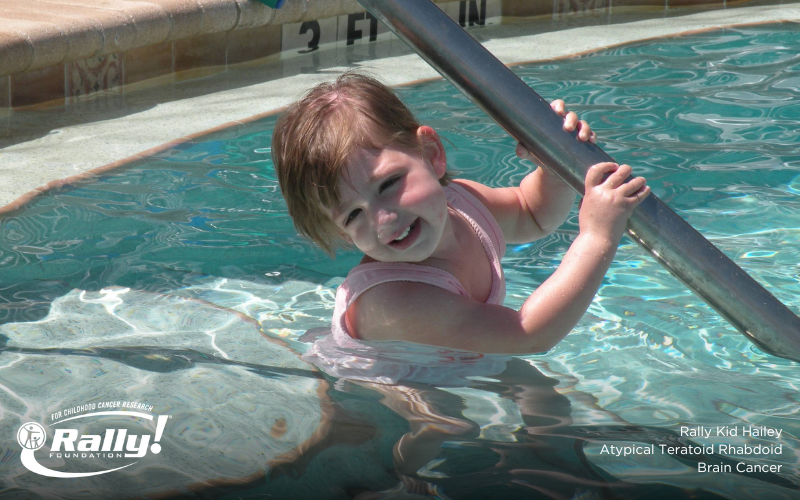
Atypical Teratoid/Rhabdoid Tumor (AT/RT) is a rare and fast-growing tumor that typically originates in the brain and spinal cord. These tumors most often occur in the part of the brain called the cerebellum, which controls movement and balance, or in the brain stem, which controls vital functions like breathing and heart rate. AT/RT mainly occurs in children under the age of three, but it can occur in older children and very rarely in adults. AT/RT is found in fewer than 3% of children with...
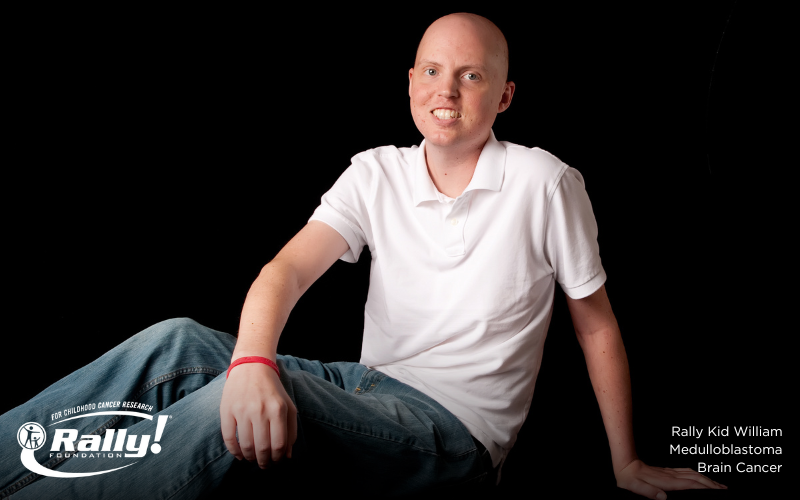
Medulloblastoma is a type of brain cancer that’s most commonly found in children. “Medulloblastoma starts in the cerebellum, which is located in the back of the brain,” explained Rally-funded Researcher Dr. Jezabel Rodriguez-Blanco, Assistant Professor, Department of Pediatrics at the Medical University of South Carolina. “It is a fast-growing tumor that often compresses the ventricle that brings the protective cerebrospinal fluid to the brain. The cerebellum is the part of the brain that...