By: Dean Crowe, Founder & CEO Last year, when COVID-19 hit, I thought about our Rally families and how they handle everything that is...
Adjust, Readjust and Hope
read more
By: Dean Crowe, Founder & CEO Last year, when COVID-19 hit, I thought about our Rally families and how they handle everything that is...
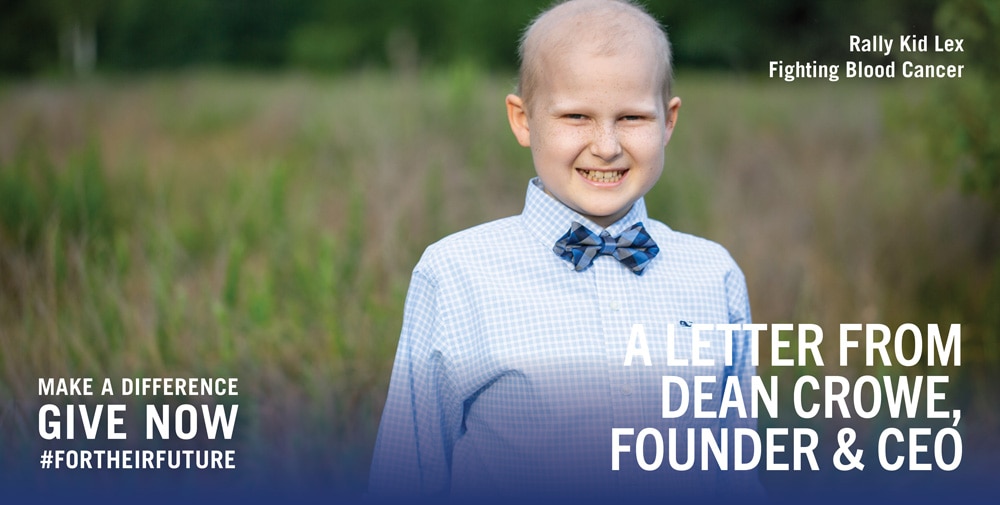
Thank you for opening this letter. And for caring about kids fighting cancer. What a year. We can all agree that 2020 is not a year we...
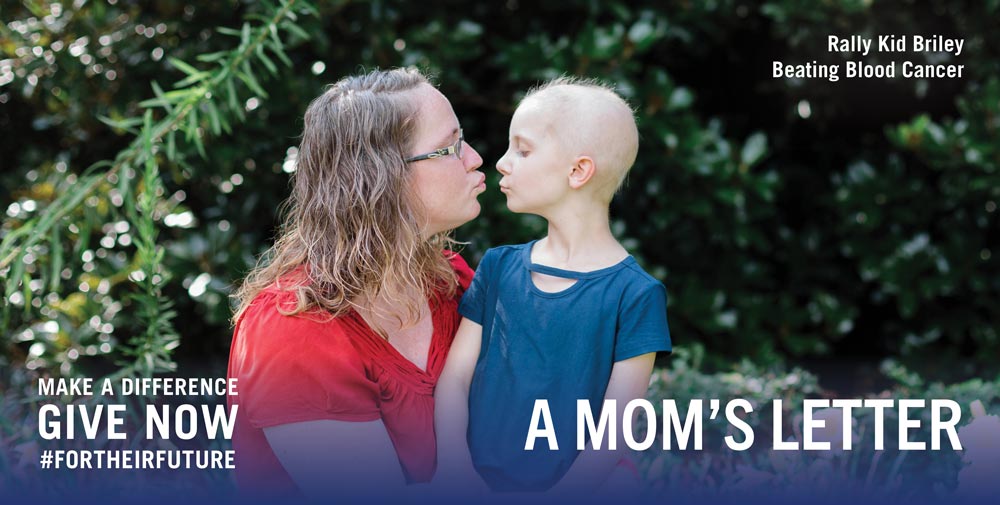
When you donate to Rally, you fund much-needed childhood cancer research—but there’s more to it. Childhood cancer changes EVERYTHING. It...
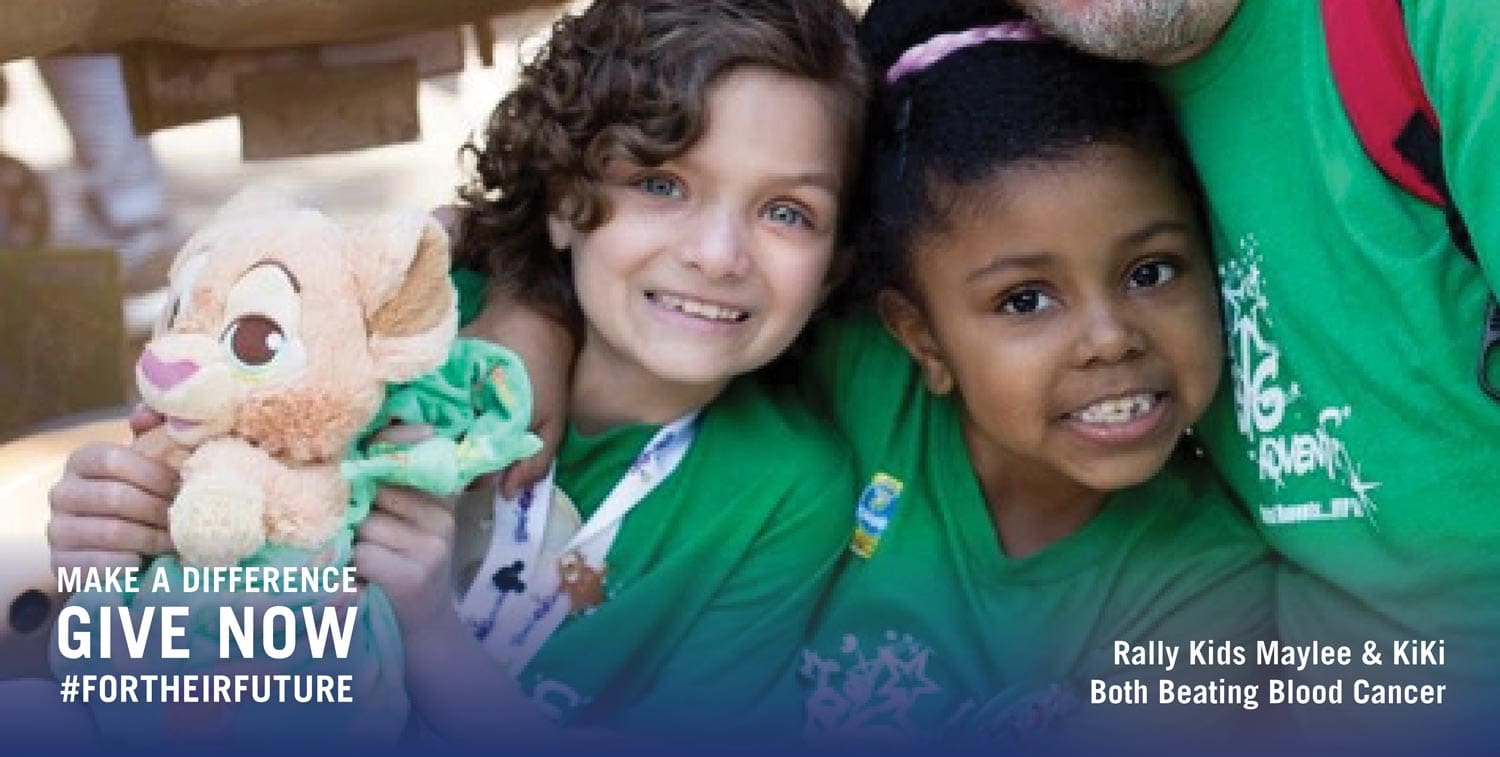
When you give to Rally, you aren’t just funding research—you are funding childhoods. You’re giving kids the chance to experience life,...
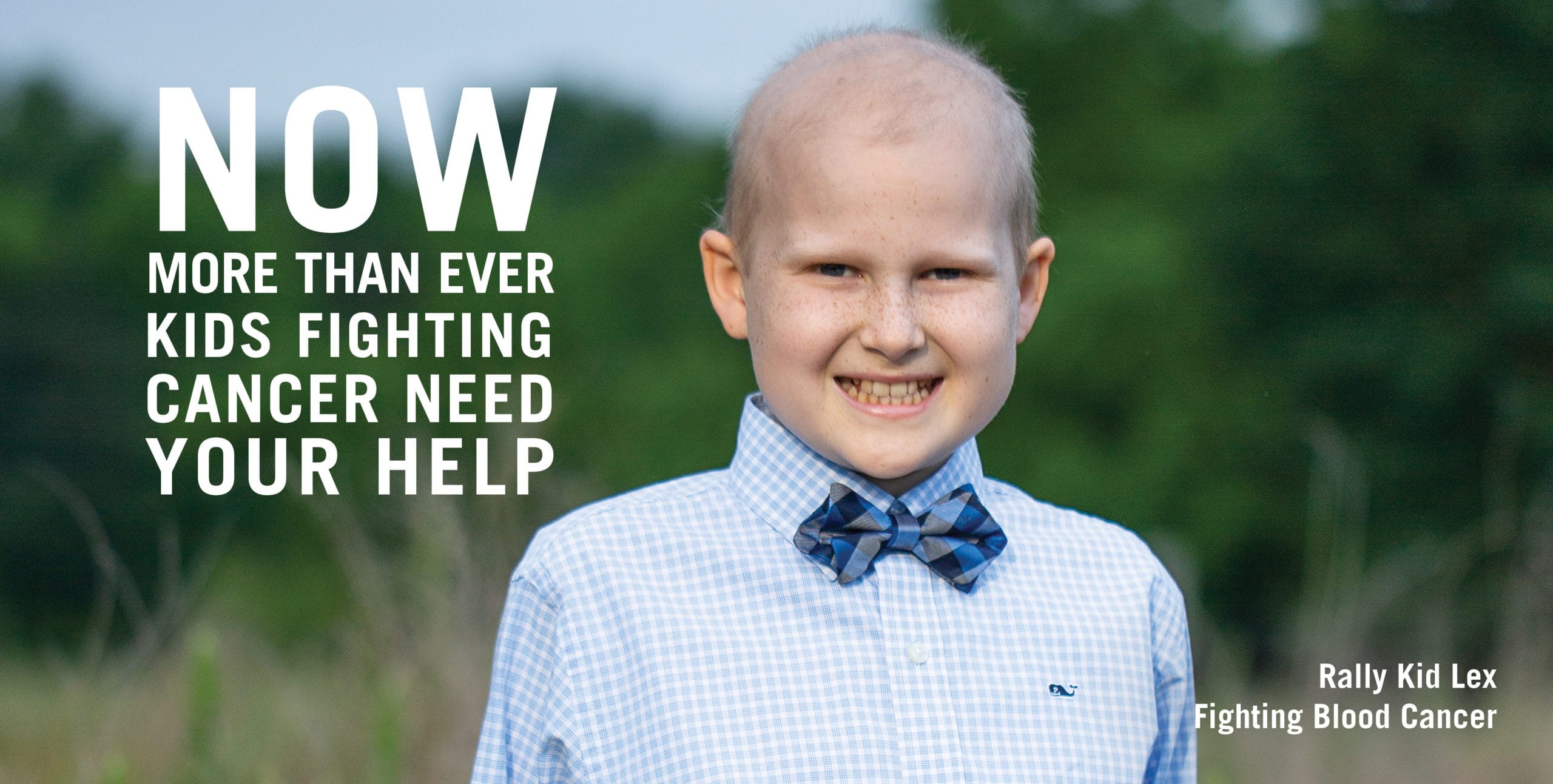
There’s no way around it: Childhood cancer is sneaky, and it happens unexpectedly. Symptoms can be mild and are often confused with other...
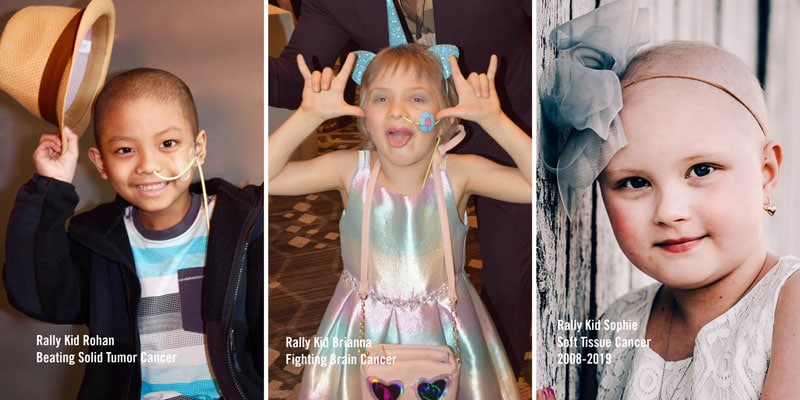
It’s been fifteen and a half years since a malignant tumor the size of a grapefruit was removed from the left kidney of our son, James....

In honor of Brain Tumor Awareness Month, I asked Melissa Mott—one of my favorite Brain Tumor Moms—a few questions. I really enjoy her...
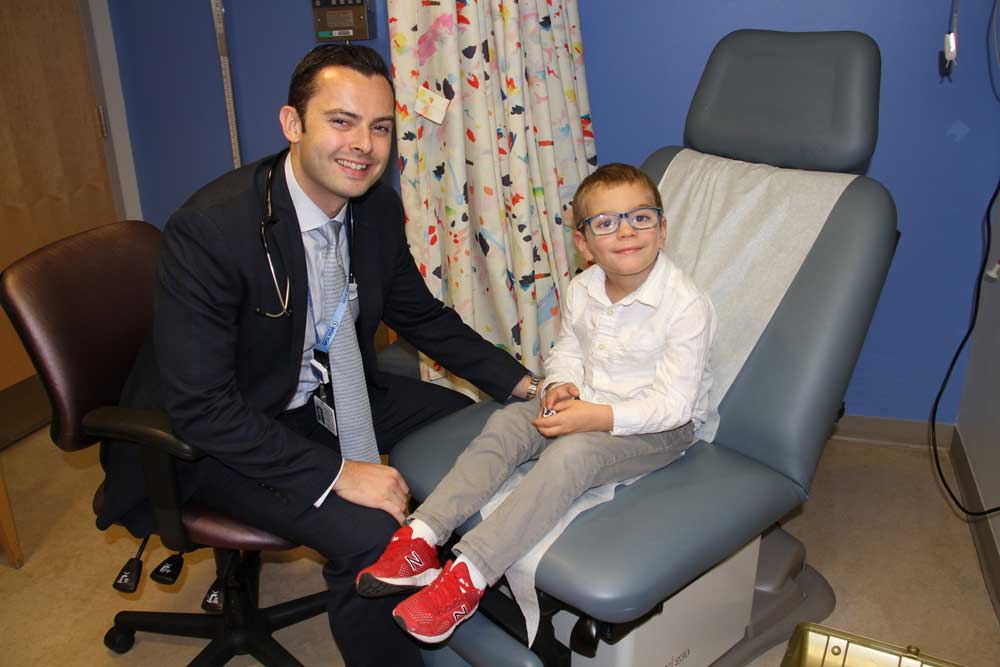
Rally Researcher and pediatric oncologist Dr. Michael Kinnaman received a Rally Postdoctoral and Clinical Research Fellow Grant. In part...
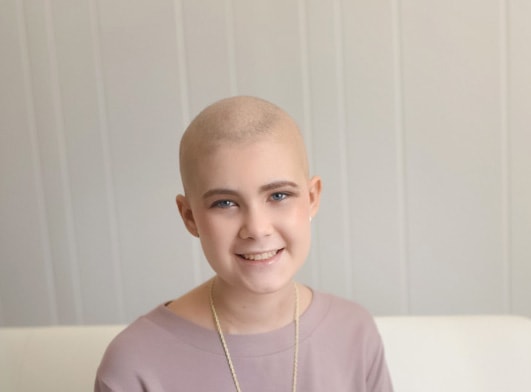
Dear families experiencing childhood cancer and pediatric palliative care doctors, I am a Rally Kid and a first-year student at the...

For many pediatric cancer patients and their families, palliative care is a beacon of comfort during the extreme discomfort of symptoms,...
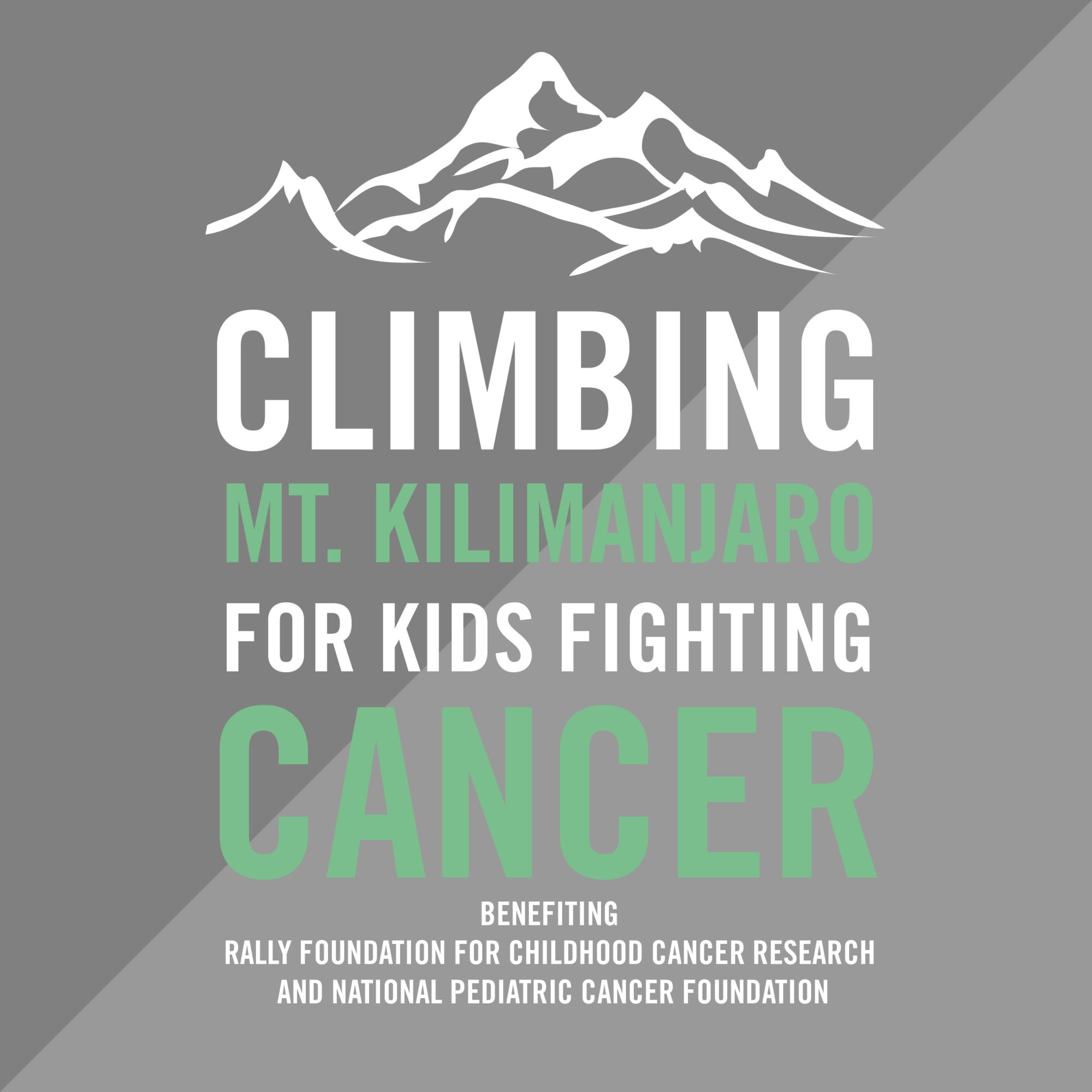
I sometimes find myself wondering what it must feel like to be a kid who gets the devastating news that he or she has cancer. Throughout...
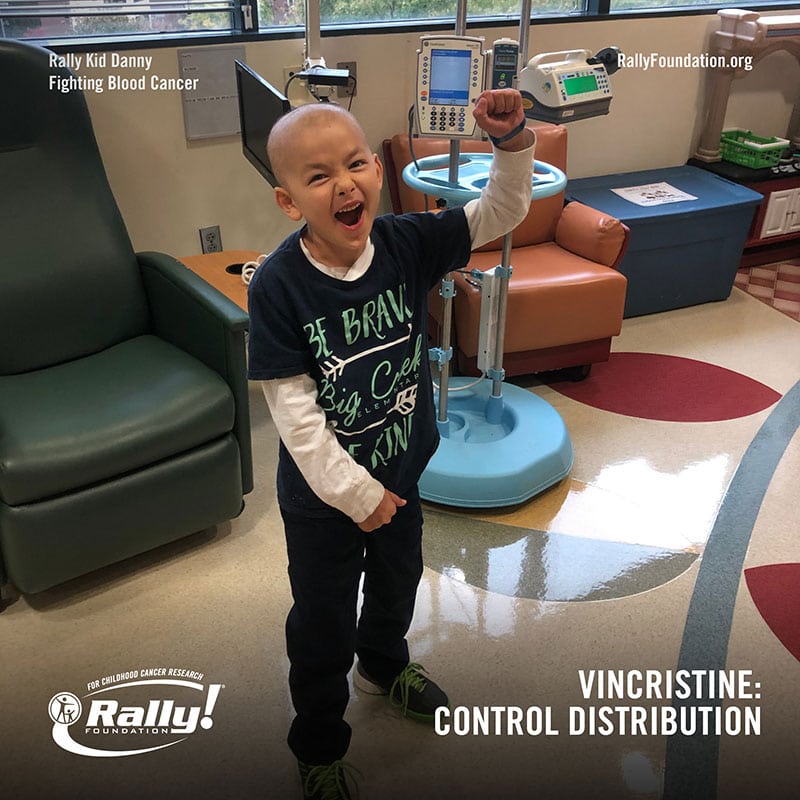
First, thank you to all the families who reached out and shared your children’s stories with us. Thank you, 11 Alive and reporter Kaitlyn...
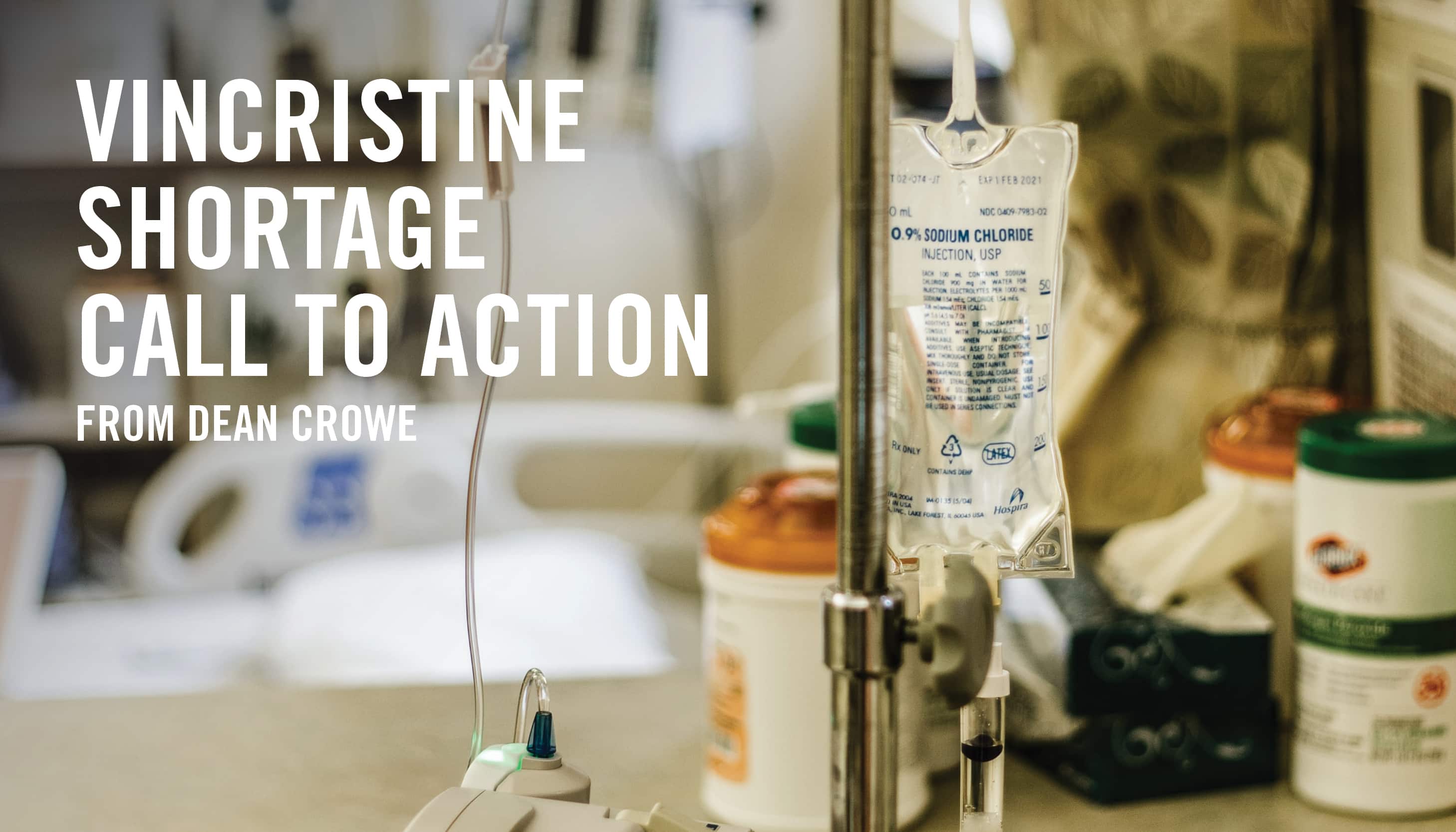
From Dean Crowe Vincristine is the most commonly used childhood cancer chemotherapy drug, and it works by stopping the cancer cells from...
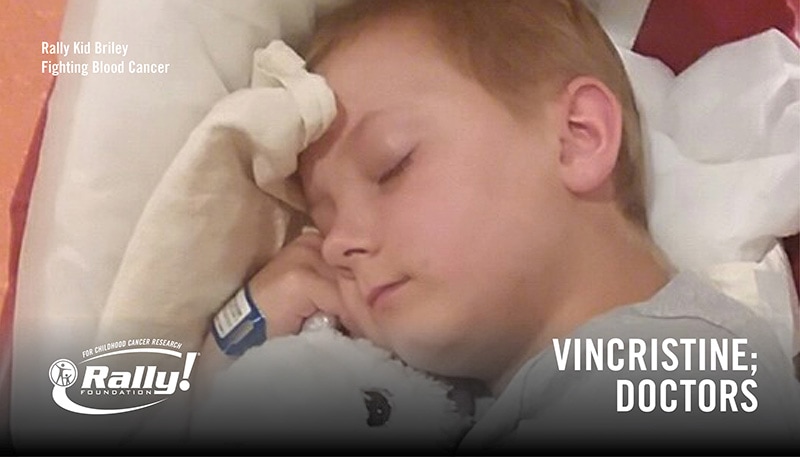
Dear Pediatric Oncologists, As I’m sure you’re aware, the vincristine shortage is very real. But what I want you to know is that I am...
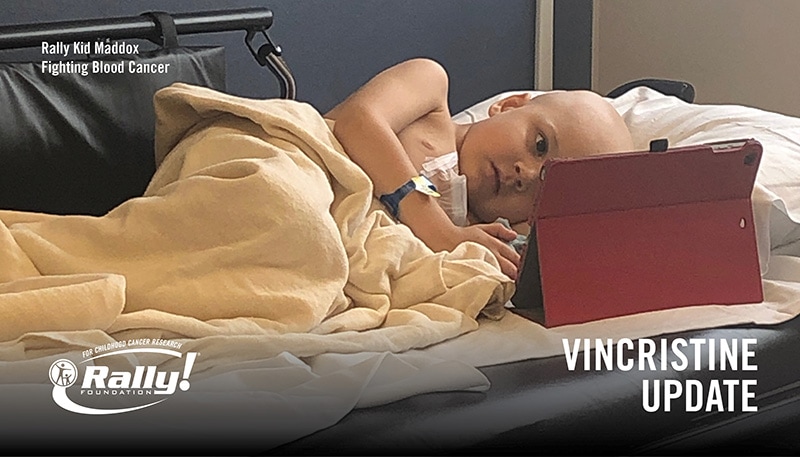
To the childhood cancer community: As Chair of the Children’s Oncology Group (COG), I am sending this letter to the childhood cancer...
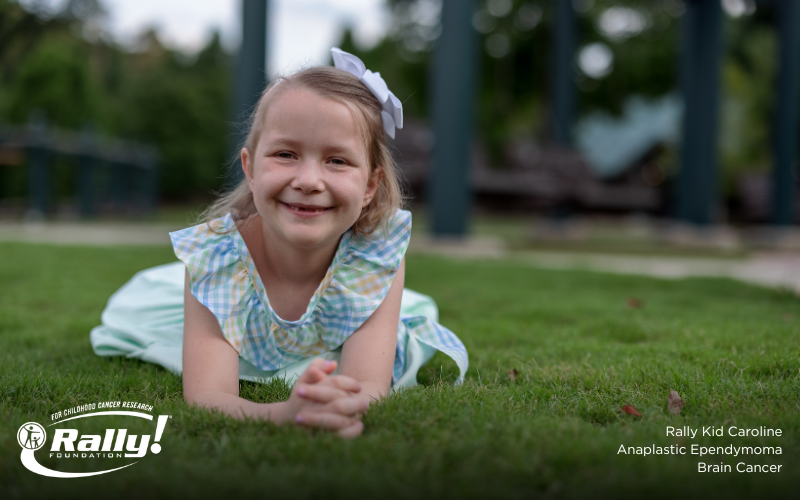
Ependymoma is a tumor that appears most often in the brain and sometimes in the spinal cord. It is a type of glioma, meaning it starts in the support cells of the brain. This cancer occurs more frequently in children—accounting for 5-10% of all pediatric brain tumors—but it can also affect adults. Common pediatric subtypes include classic ependymoma, a tumor that most commonly appears in the brain, and anaplastic ependymoma, which tends to spread and has a high chance of recurrence. Each type...
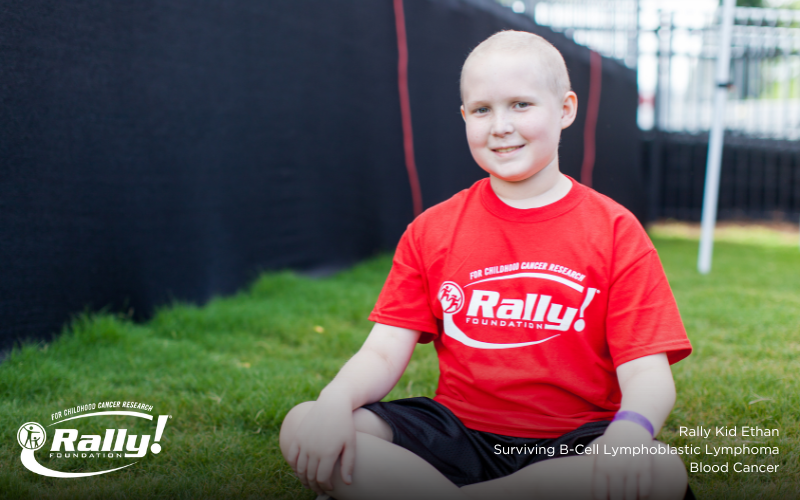
Lymphoma is a cancer of the body’s lymphatic (lymph) system which is essential to the immune system. The lymphatic system is made up of a type of white blood cells also known as lymphocytes which flow throughout the whole body. These lymphocytes fight infections throughout the body, so when cancerous cells begin to grow they can quickly spread through the entire lymph system. This then makes it difficult for the immune system to work properly. Early symptoms of lymphomas usually begin with a...
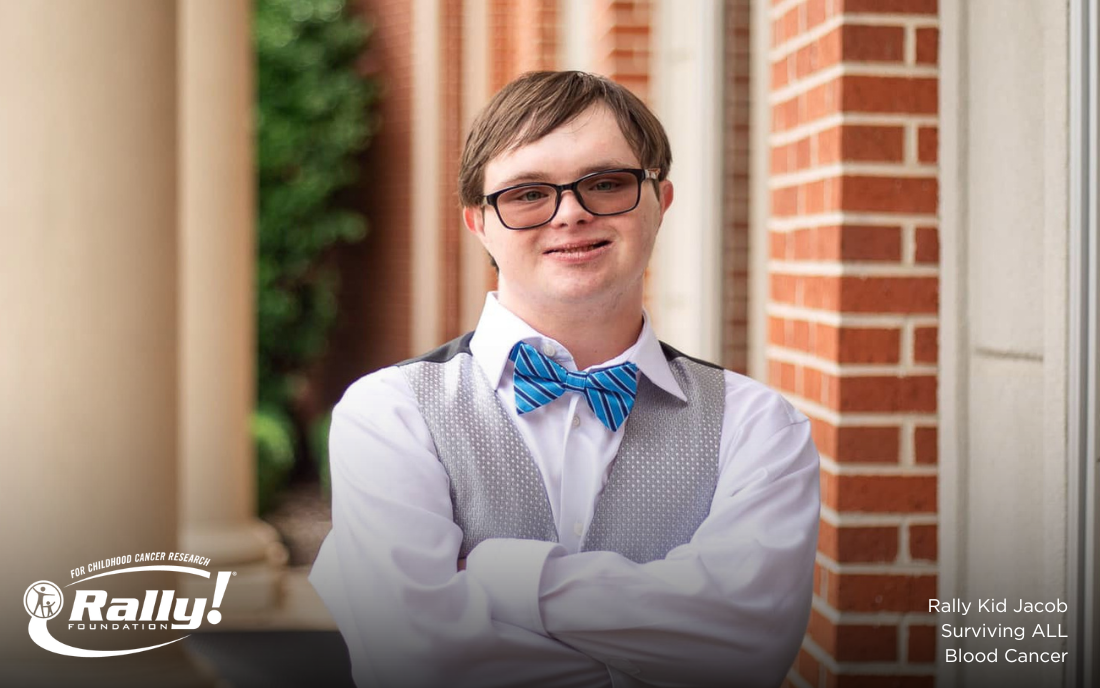
Let’s begin by explaining Down syndrome Down syndrome (DS) occurs in about one in every 700 births worldwide. There is a small change during early fetal development that leads to an extra copy of chromosome 21, which is why DS is also known as trisomy 21. People with DS have unique, recognizable physical characteristics and may experience some developmental delays, though these can vary widely from person to person. Children with Down syndrome have a unique relationship with cancer. That extra...
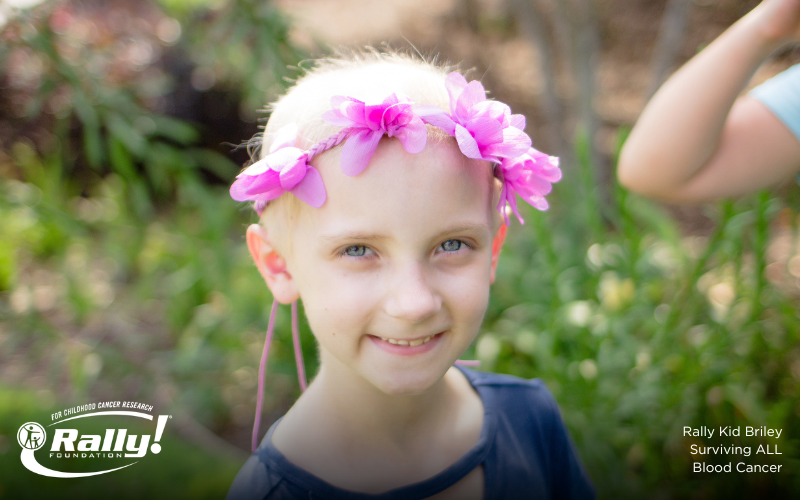
Navigating a childhood cancer diagnosis is difficult on multiple levels including trying to understand how and if your child qualifies for social security disability benefits. This article was written by the Outreach Team at Disability Benefits Help with our Rally Families in mind. Disability Benefits provide information about different disability benefits and the application process. How a Child with Cancer Can Qualify for Social Security Disability Benefits Cancer can be a devastating...
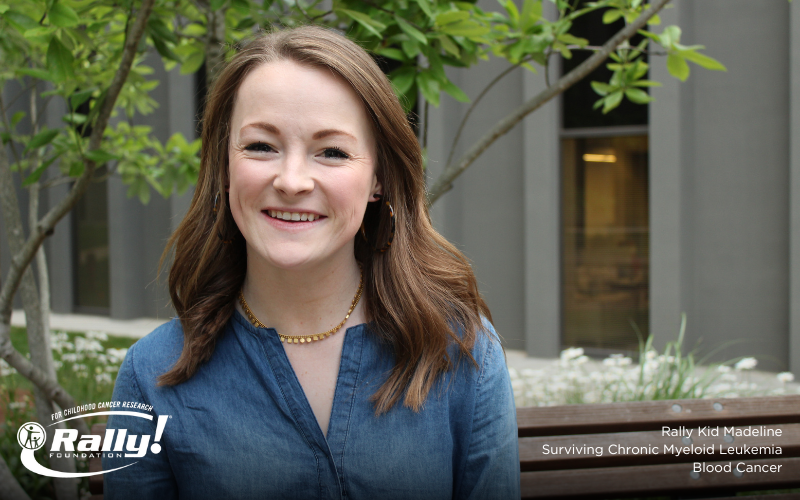
Chronic myeloid leukemia (CML) is a type of blood cancer that causes an overproduction of white blood cells. These cells grow abnormally and can build up in the blood and bone marrow, leaving less room for healthy white and red blood cells as well as platelets. CML is commonly associated with a genetic mutation called the Philadelphia chromosome. While CML is very rare in children, with about 150 pediatric cases in the U.S. each year, it’s often more aggressive in kids than it is in adults....
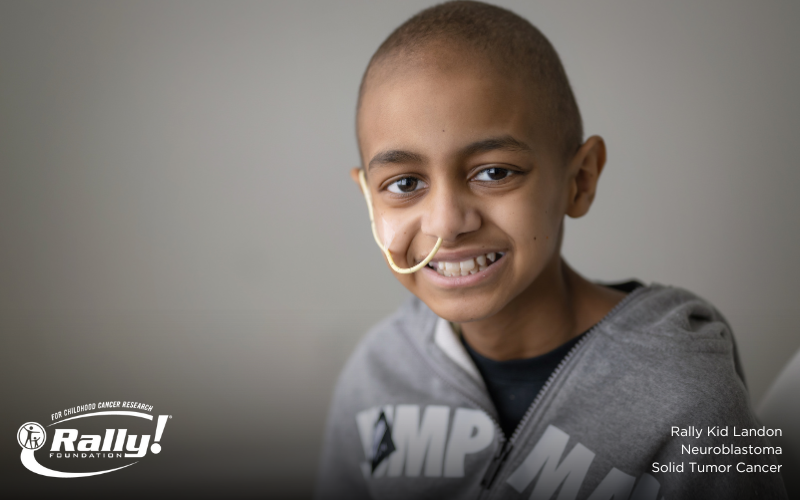
Neuroblastoma is a cancerous tumor that develops in the nervous system of babies and young children. It can also occur, rarely, in adolescents. A neuroblastoma tumor often affects immature nerve tissue called neuroblasts. The most common area for neuroblastoma to appear is in the adrenal glands, which sit above the kidneys. Adrenal glands produce hormones that control body functions such as digestion, blood pressure, breathing and heart rate. Neuroblastoma can also begin in other areas of the...