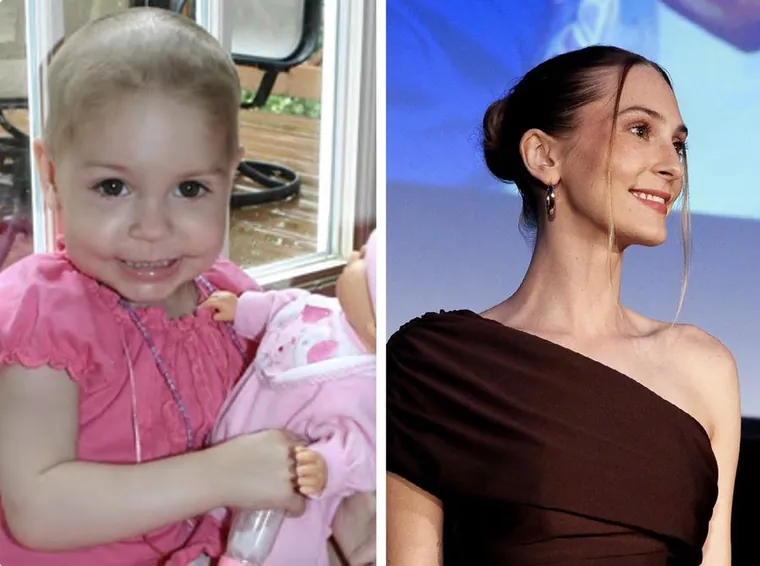
 ThenNow
Rally Kid Kylie
Diagnosed with neuroblastoma; participated in a Rally-funded clinical trial. Now a college graduate, working, traveling and embracing new adventures.
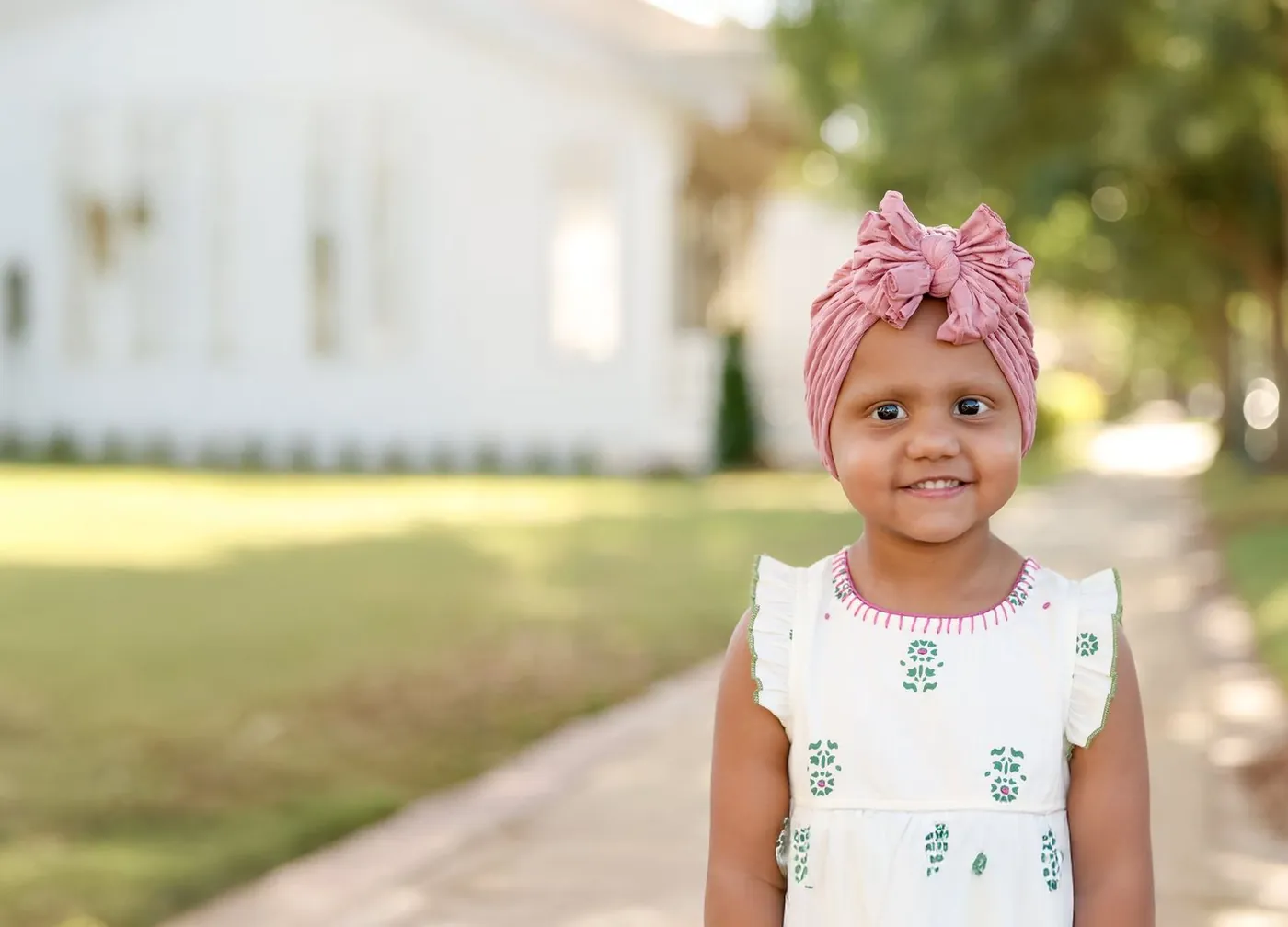
Rally Kid Rupi
Beating Wilms Tumor
Solid Tumor Cancer
Rally-funded research has helped advance 8 FDA-approved drugs, 20 active clinical trials and 2 diagnostic tests, creating new hope for more than 400,000 children diagnosed with cancer worldwide each year.
Learn about Rally Foundation for Childhood Cancer Research’s more than 20-year journey and impact on pediatric cancer.
Our StoryWith 93 cents of every dollar directed to our mission, your support drives meaningful impact.
 $0.0M+awarded in childhood cancer research grants
 $0Madvocated and secured in new federal funding
 0FDA-approved drugs from Rally funding
 0clinical trials from Rally funding
 0families helped financially in 42 states
 0+meals provided to families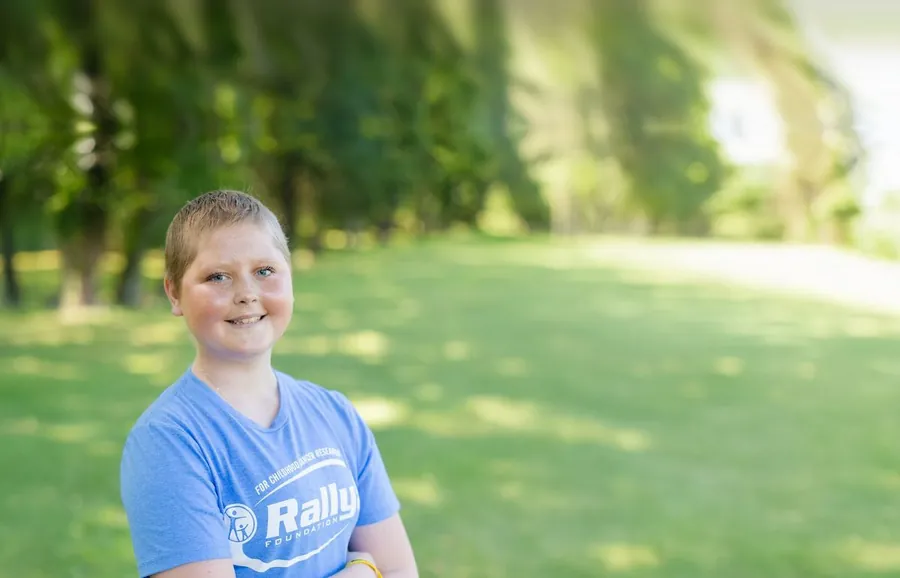
Even though cancer is the leading disease-related cause of death among children, pediatric cancer research receives only a small fraction of National Institutes of Health funding.
Rally Kid Kaemey
Fighting ALL
Blood Cancer
ThenNowDiagnosed with neuroblastoma; participated in a Rally-funded clinical trial. Now a college graduate, working, traveling and embracing new adventures.
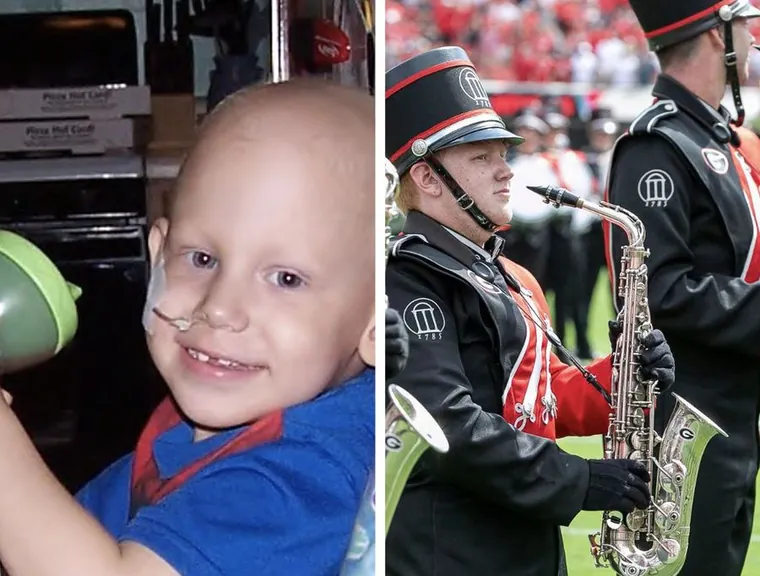 ThenNow
Diagnosed at age 2 with neuroblastoma; participated in two Rally-funded clinical trials. Attended the University of Georgia and marched in the Redcoat Band.
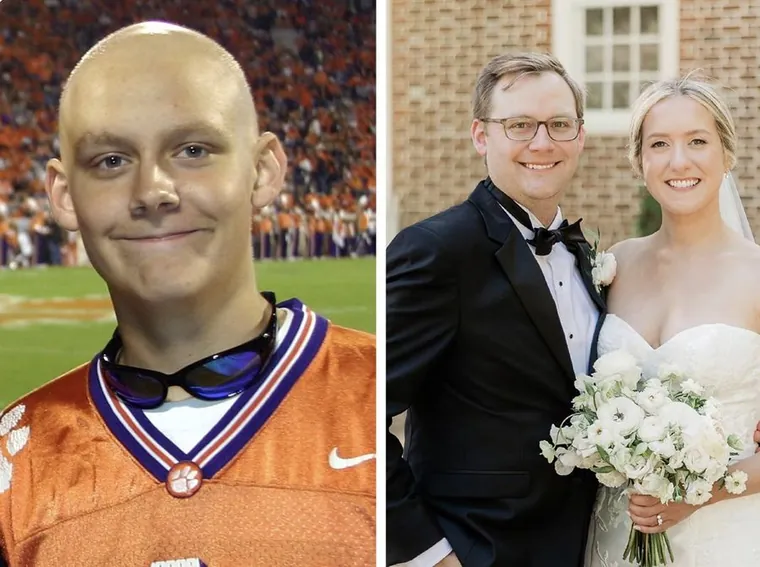 ThenNow
Diagnosed with bone cancer in high school; received Rally-funded treatments. Now a Georgia Tech MBA graduate and married.
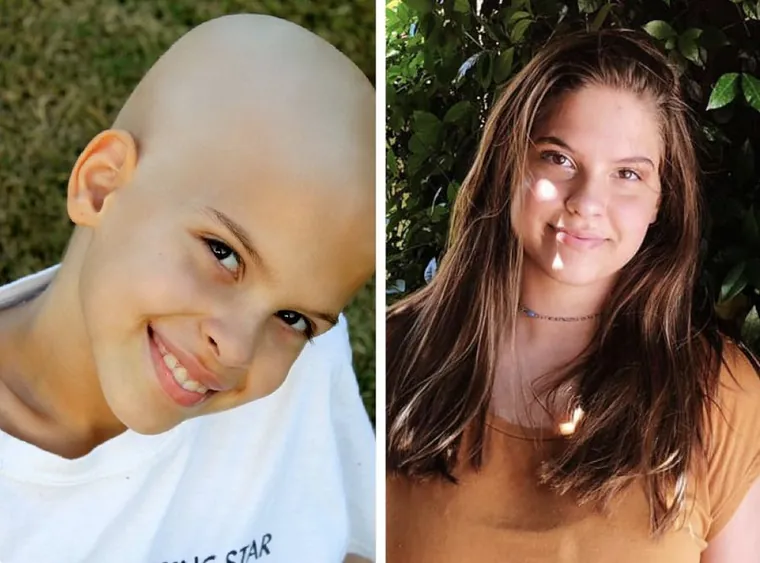 ThenNow
Diagnosed at age 5 with germ cell cancer; later attended a Rally-funded survivorship clinic. Now in nursing school.
Rally Foundation is here to support you and your child with care, connection and resources so you don’t have to face childhood cancer alone.
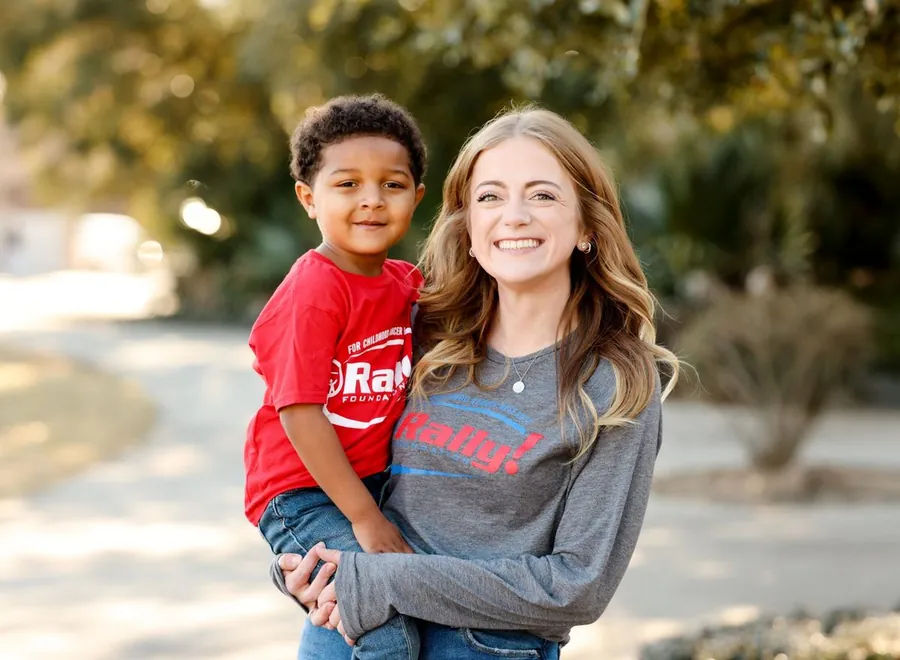 Rally Kid Kobe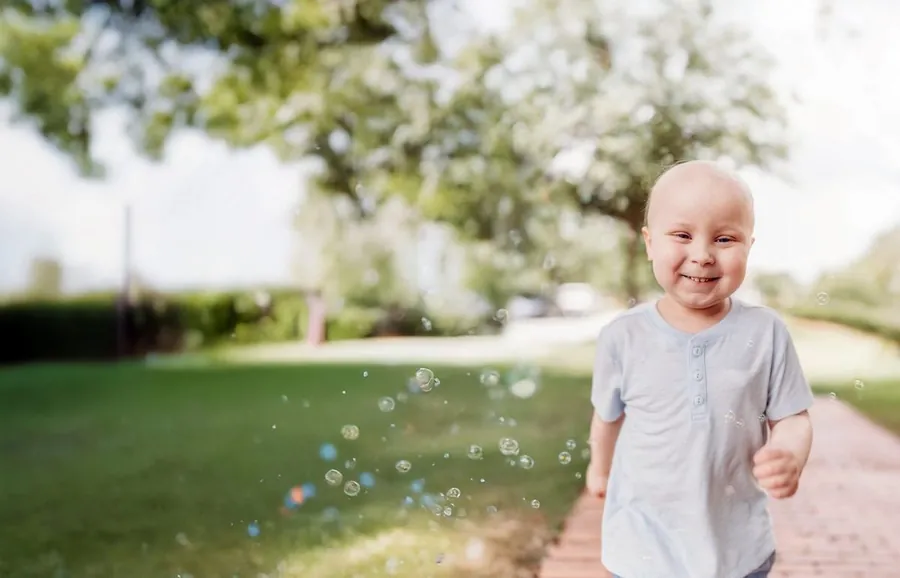
Because of supporters like you, Rally funds groundbreaking childhood cancer research that leads to better treatments, fewer long-term side effects and, ultimately, cures for kids fighting cancer.
Rally Kid Tyler
Beating ALK+ ALCL Lymphoma
Blood Cancer
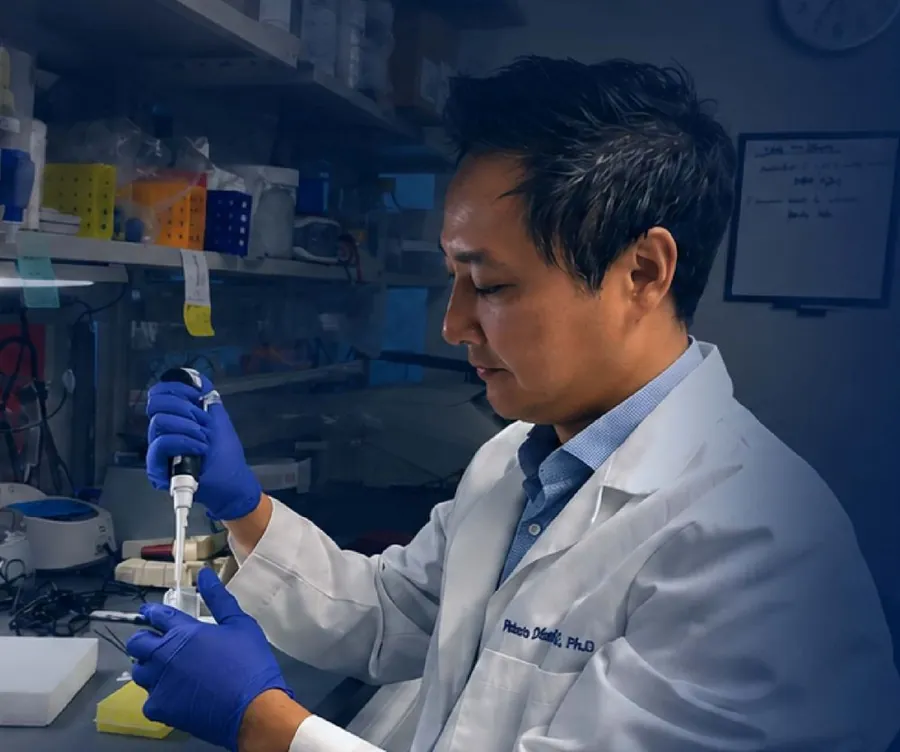
Every research grant submitted to Rally goes through a rigorous dual peer-review process led by the Rally Medical Advisory Board (MAB), experts in pediatric cancer science and research.
Rally then awards grants to the highest scoring applications, ensuring we fund the most promising, impactful pediatric cancer research wherever it may be.
Meet the BoardStay informed with the latest insights, research updates, family stories and ways to make a difference in the fight against childhood cancer.
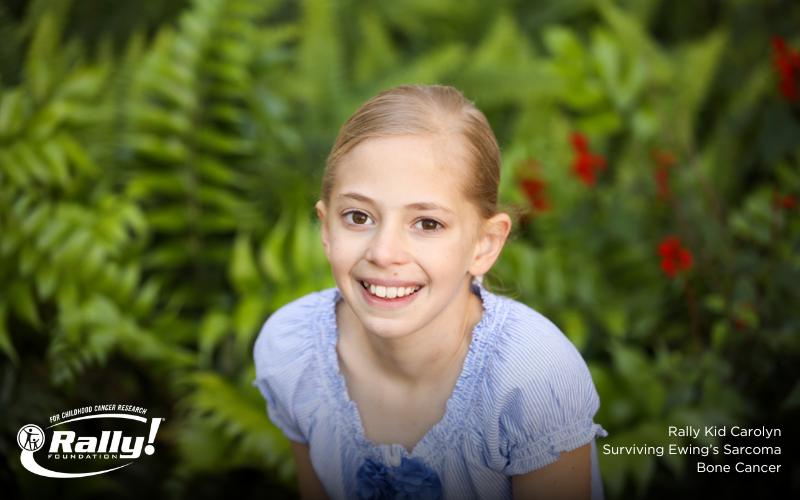 Research
Ewing Sarcoma Defined Ewing sarcoma is a cancerous bone tumor that affects children, adolescent and young adults—usually developing during puberty between the ages of 10 and 20 years old. Approximatel…
Read More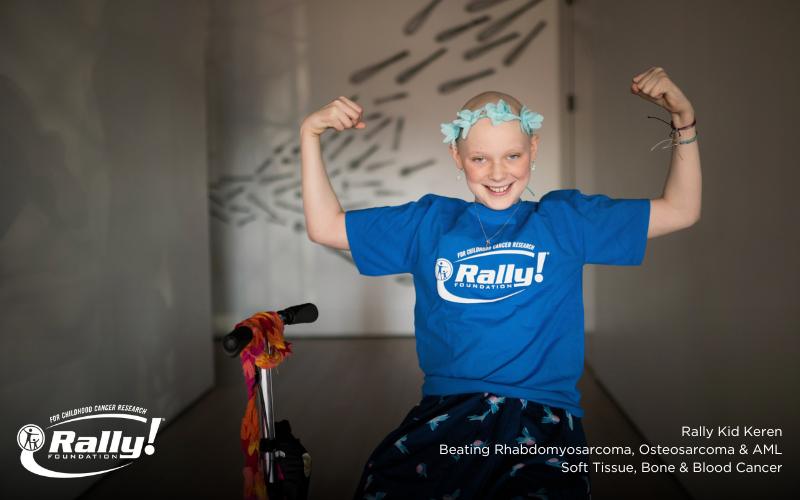 Research
Rhabdomyosarcoma (RMS) is a type of soft tissue cancer that most commonly affects children and adolescents. It’s often found in skeletal muscle tissue or organs, such as the head and neck area, the ur…
Read More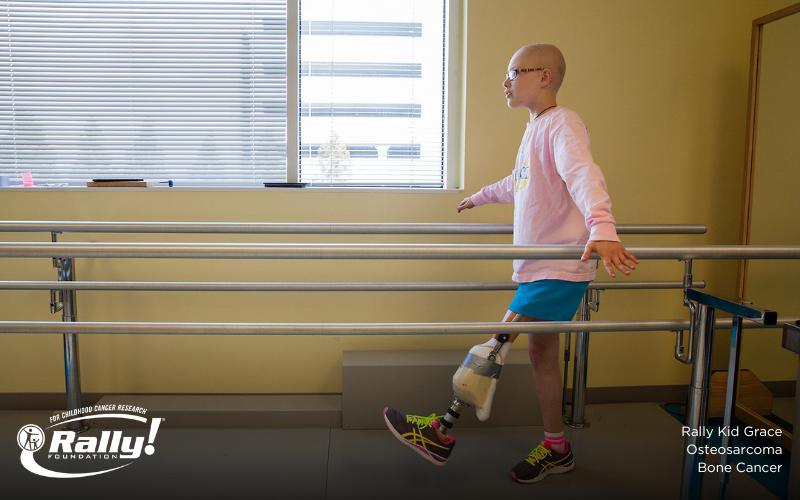 Research
Osteosarcoma is the most common type of bone cancer in children and adolescents. The tumor often originates in the long bones of the body, and while osteosarcoma frequently starts in a particular bone…
Read MoreBe part of the movement to fund better treatments and cures for kids with cancer.
Get the latest research updates, powerful Rally Kid stories and actionable ways to make a difference, delivered straight to your inbox.
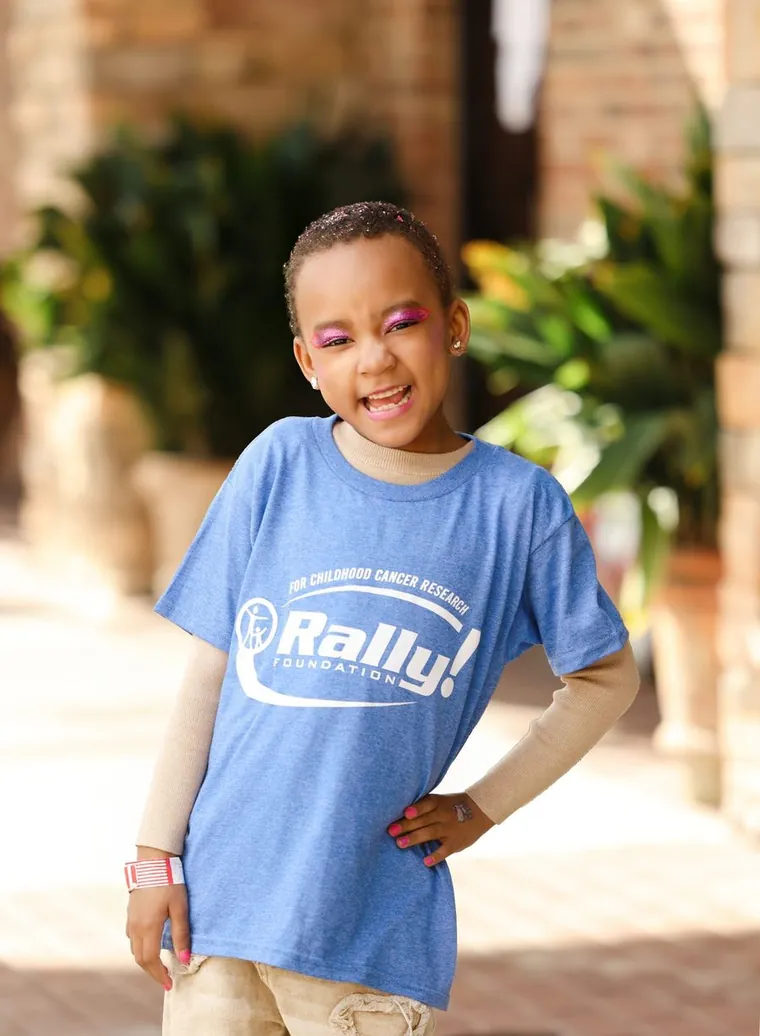 Rally Kid Janaa
Every donation fuels critical research, powers better treatments and brings hope to kids with cancer.