July is Sarcoma and Bone Cancer Awareness Month, a time to raise awareness for children and families facing these rare and aggressive...
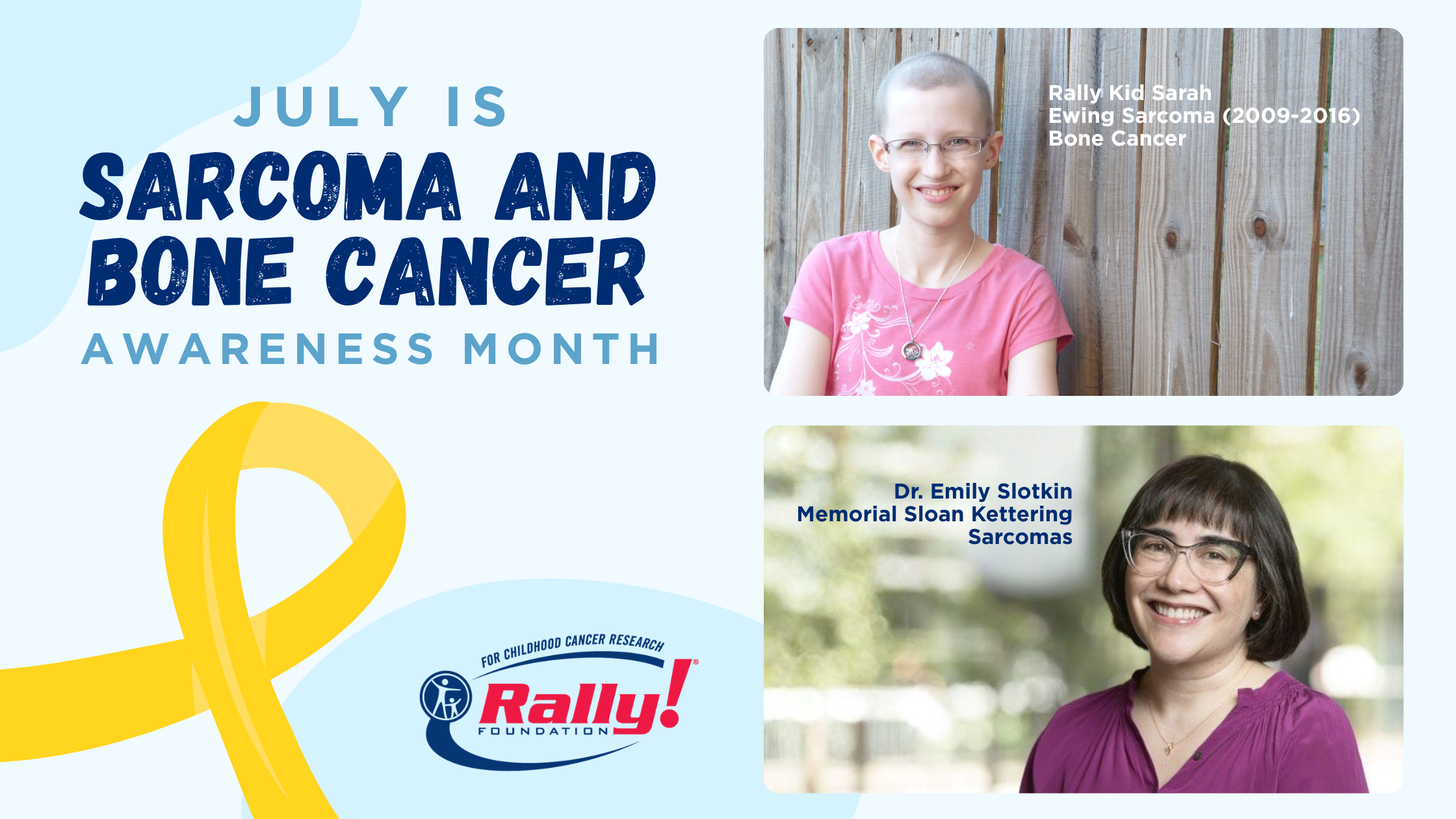
July Is Sarcoma and Bone Cancer Awareness Month
read more
July is Sarcoma and Bone Cancer Awareness Month, a time to raise awareness for children and families facing these rare and aggressive...
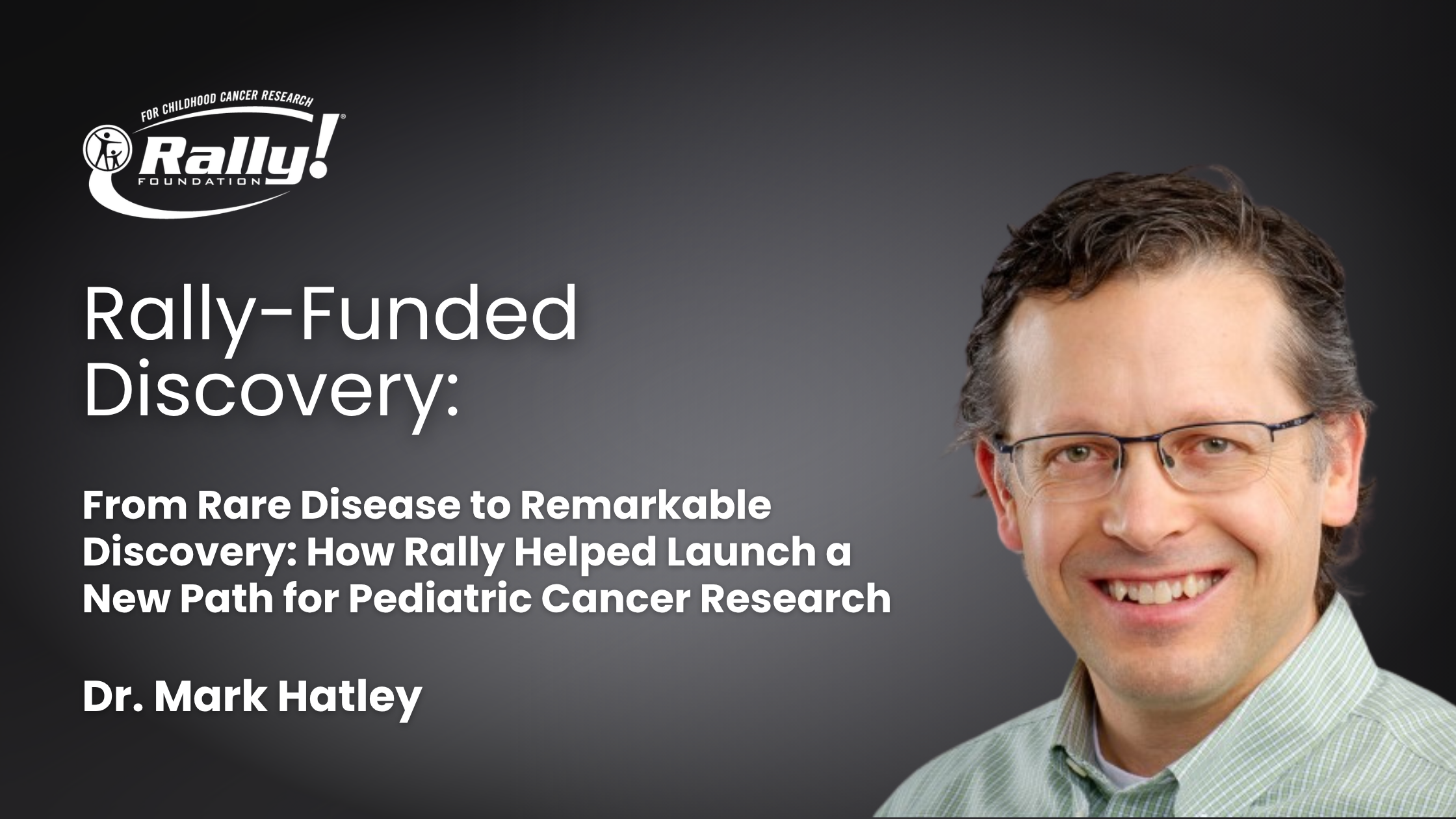
When traditional funding sources weren’t ready to support this high-risk idea, Rally Foundation for Childhood Cancer Research stepped in. ...
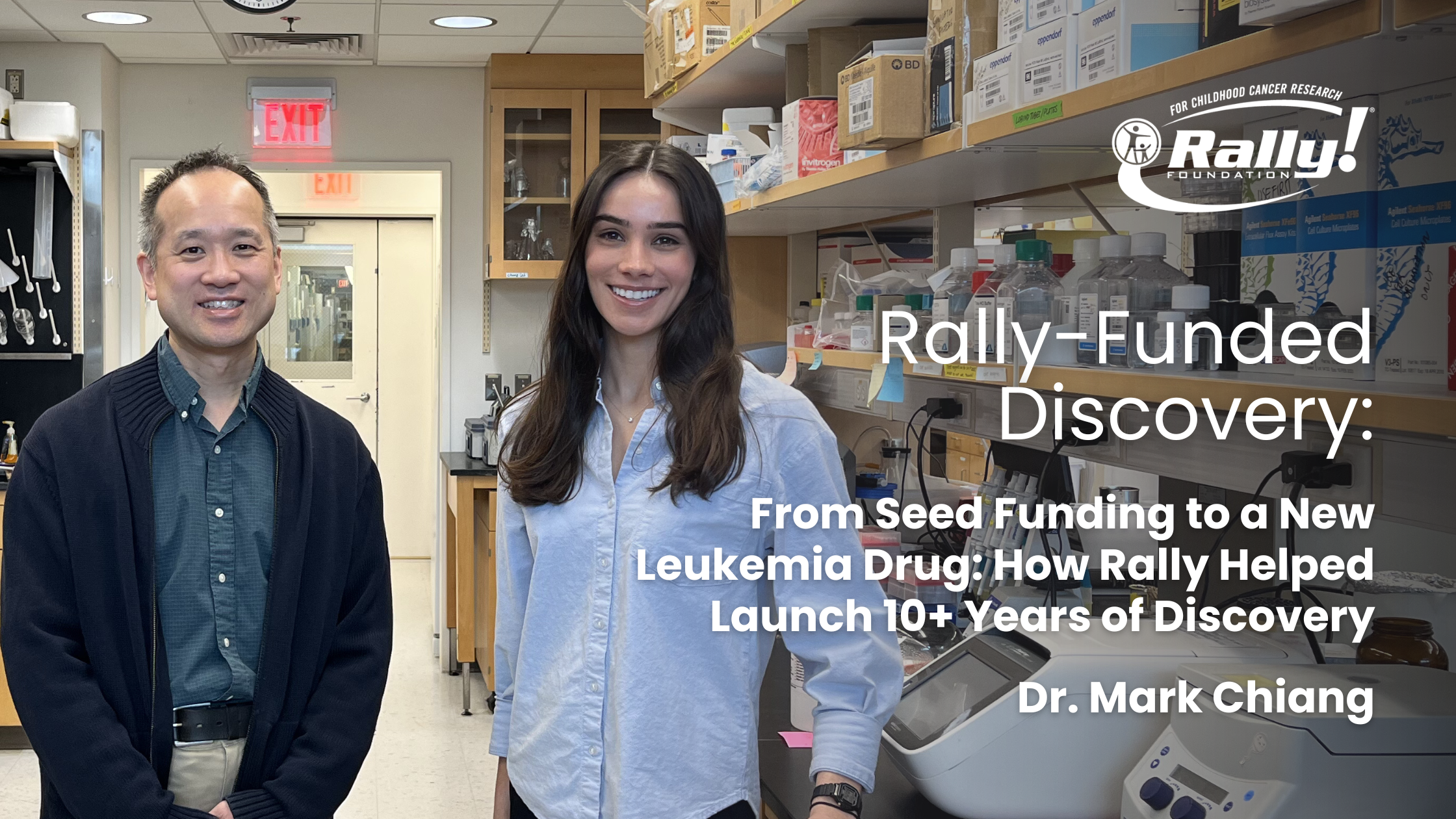
Rally Foundation’s early investment in Mark Chiang’s, M.D., Ph.D, lab at the University of Michigan helped generate the preliminary data...
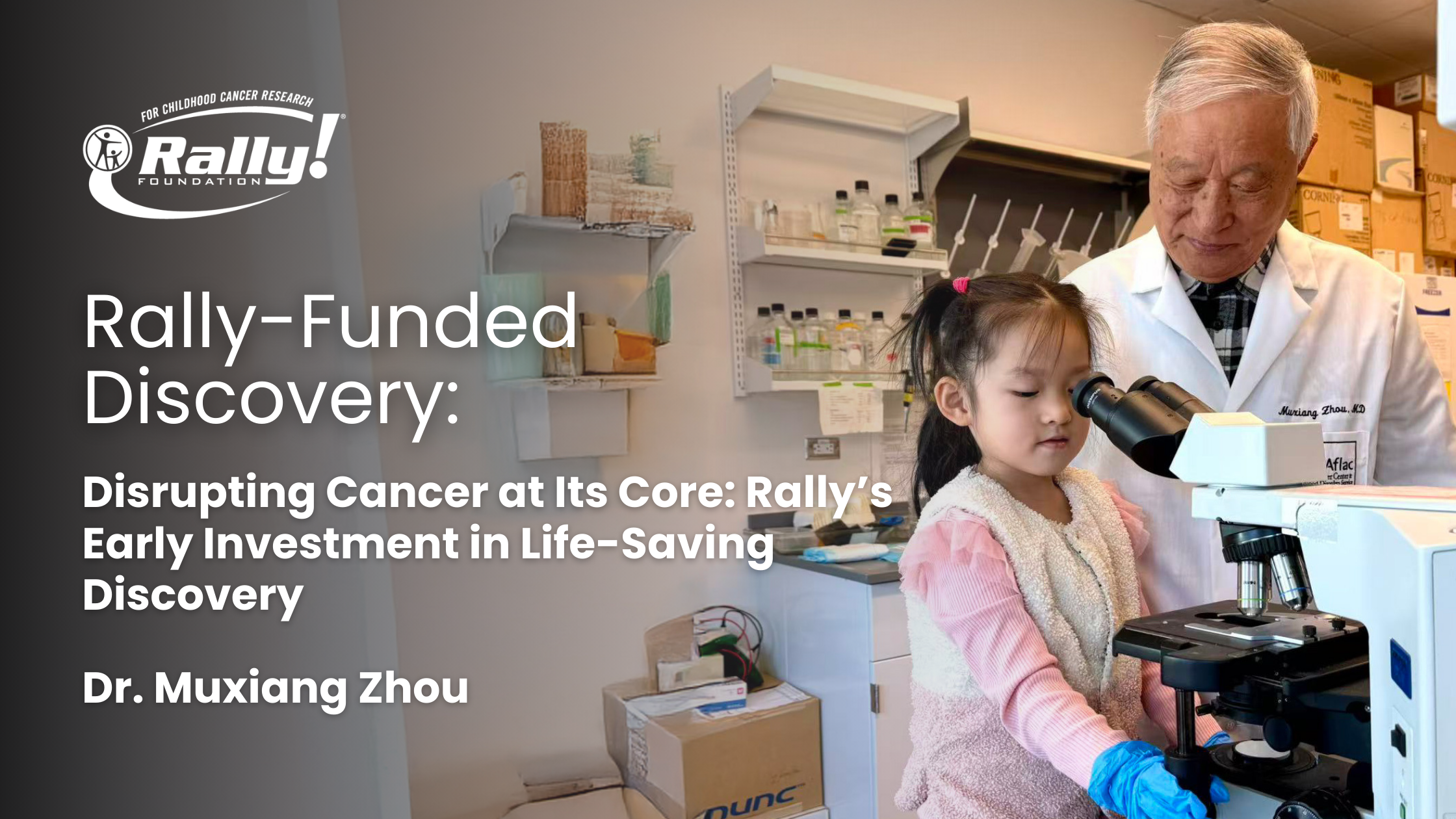
In 2018, Muxiang Zhou, MD, at Emory University School of Medicine received early research funding from Rally Foundation for Childhood...
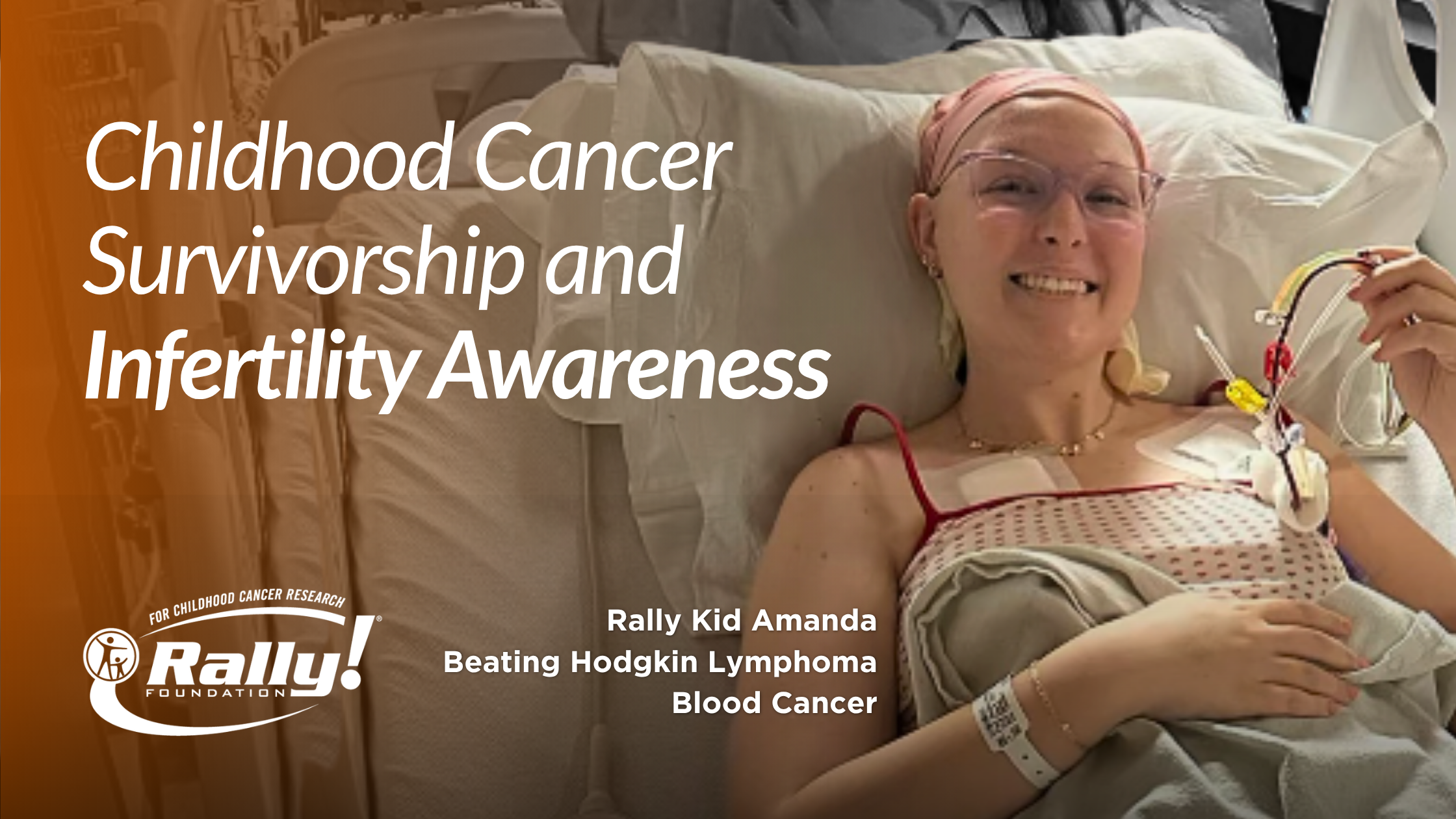
June is National Cancer Survivors Month, a time when Rally Foundation honors the strength and resilience of survivors of childhood cancer....
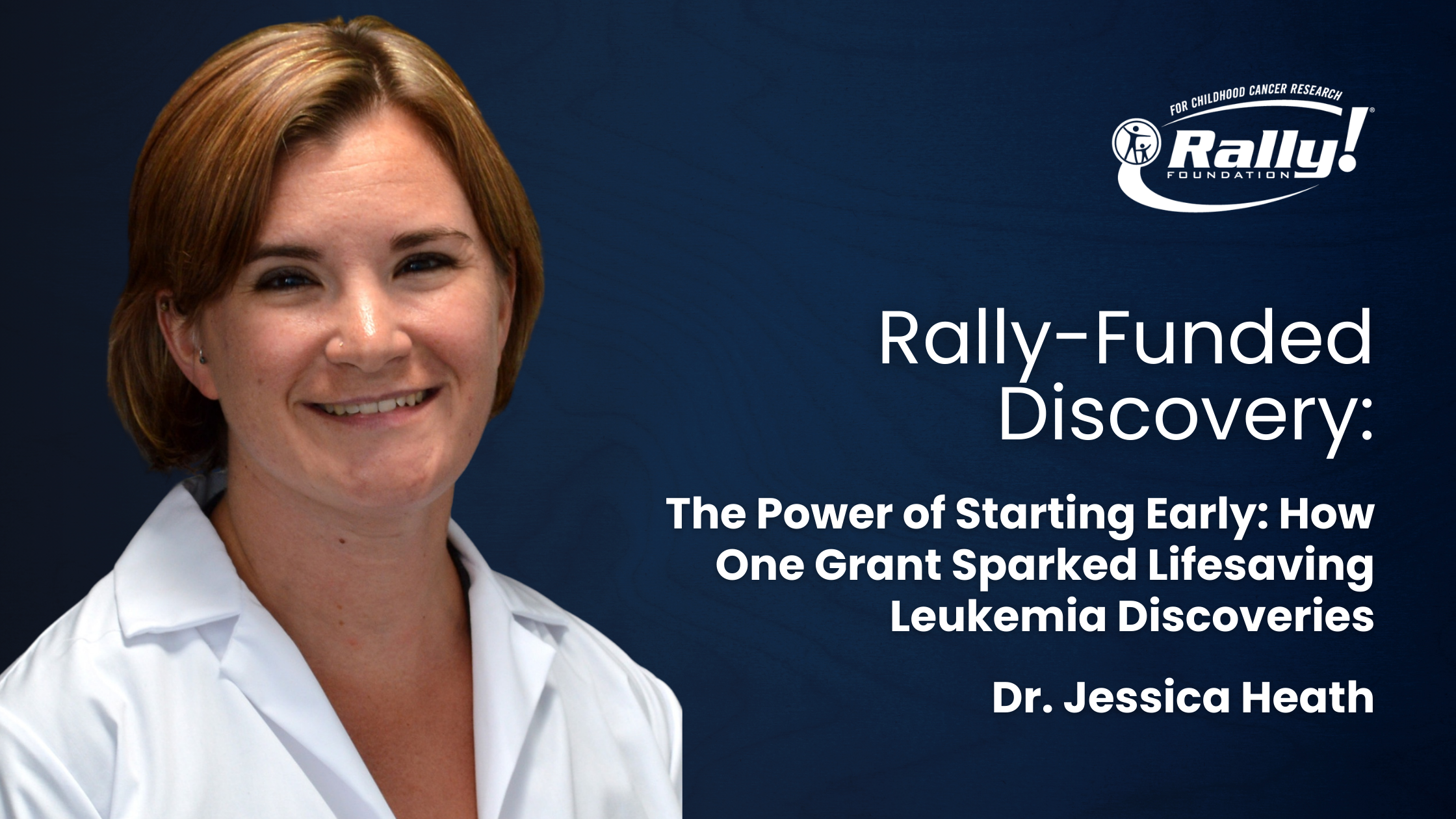
In 2015, Jessica Heath, M.D., at Duke University School of Medicine received early research funding from Rally Foundation for Childhood...
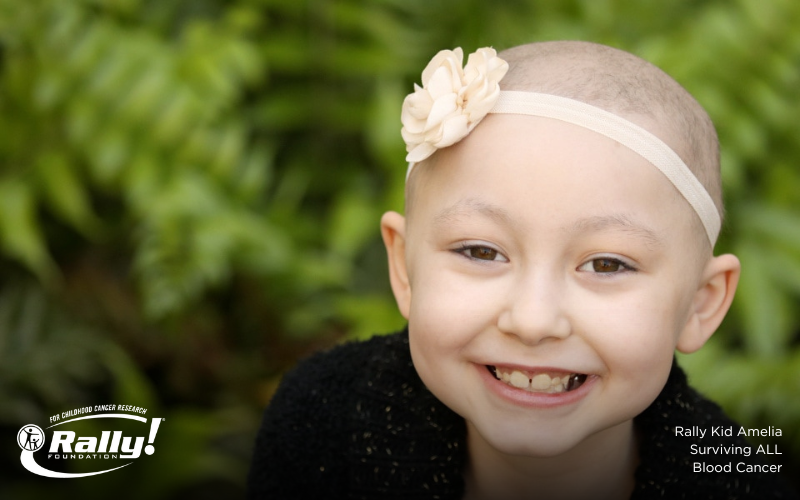
It’s no secret that adults get cancer. But children get cancer, too -- and it’s more common than you might think. Worldwide, 300,000 kids...
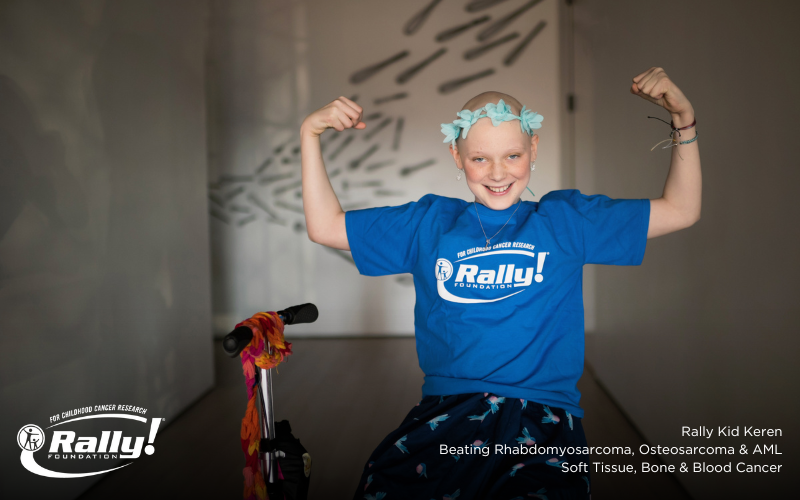
Rhabdomyosarcoma (RMS) is a type of soft tissue cancer that most commonly affects children and adolescents. It’s often found in skeletal...
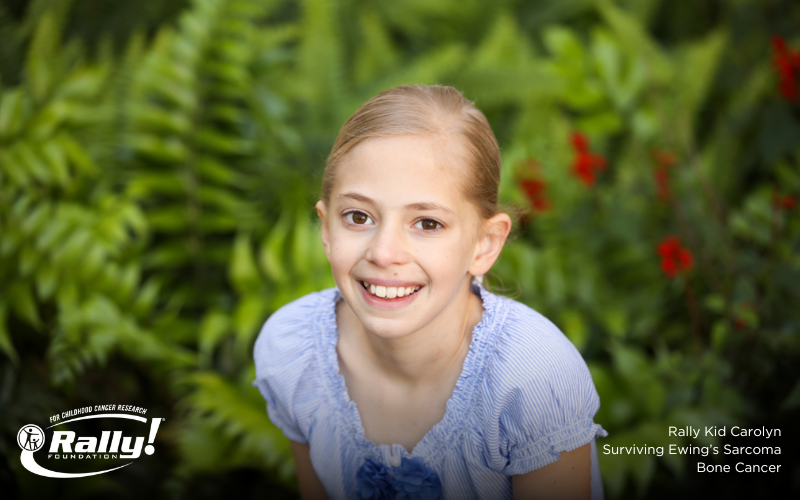
Ewing Sarcoma Defined Ewing sarcoma is a cancerous bone tumor that affects children, adolescent and young adults—usually developing during...
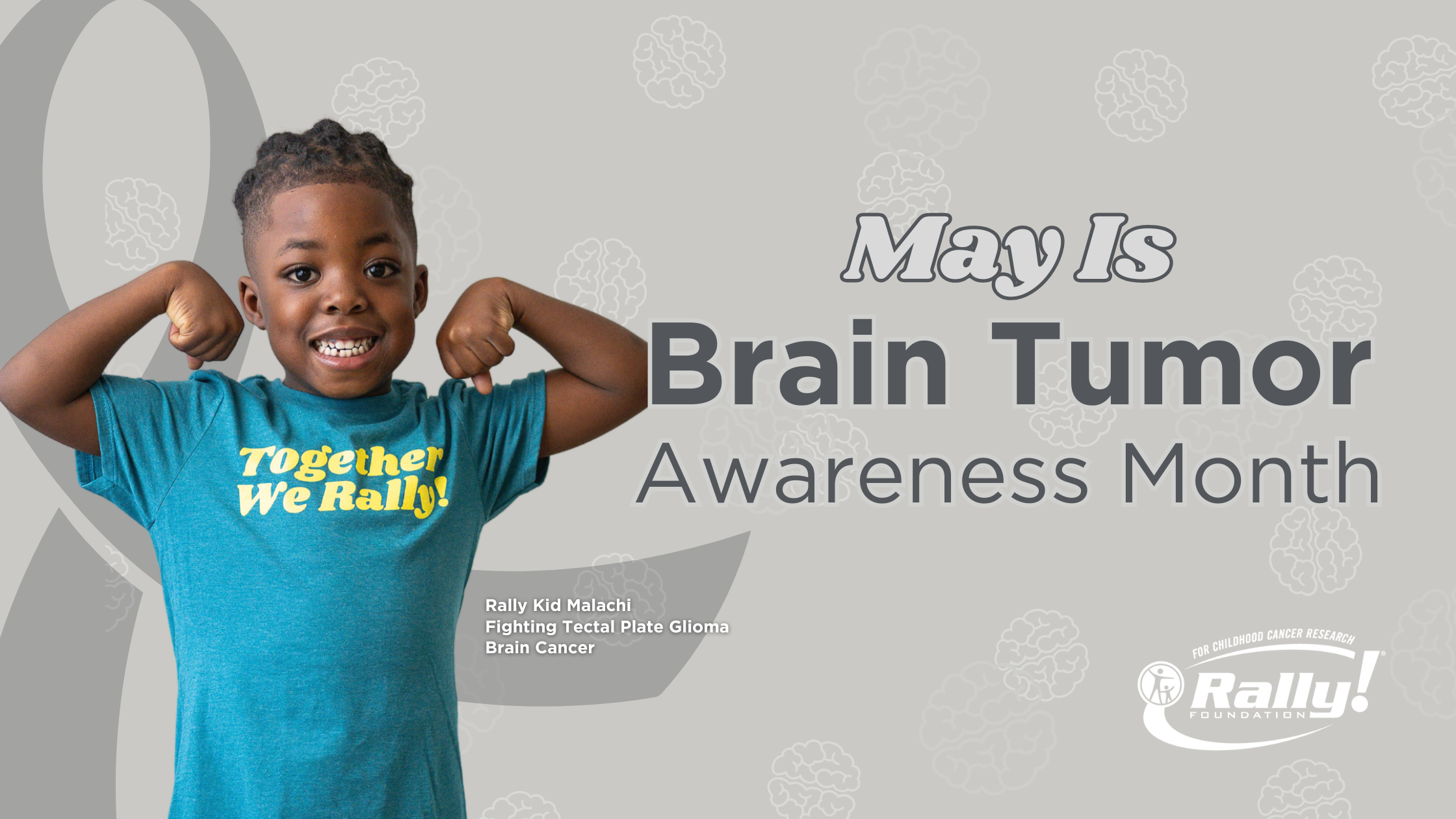
May Is Brain Tumor Awareness Month May is recognized as Brain Tumor Awareness Month, a time dedicated to shining a light on one of the...
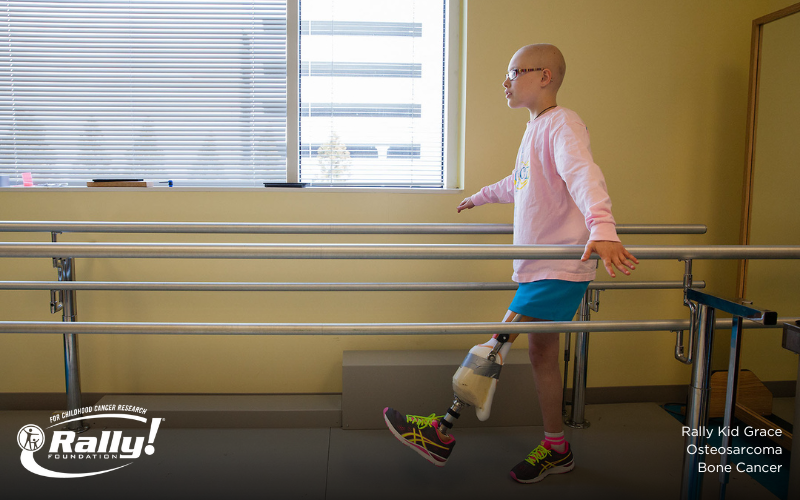
Osteosarcoma is the most common type of bone cancer in children and adolescents. The tumor often originates in the long bones of the body,...
When your child is first diagnosed with brain cancer, you may be asked if you want to donate your child’s tumor tissue. A brain tissue...
When your child is diagnosed with cancer, you have to learn a whole new language in just a few days. Terms, phrases, and abbreviations are...
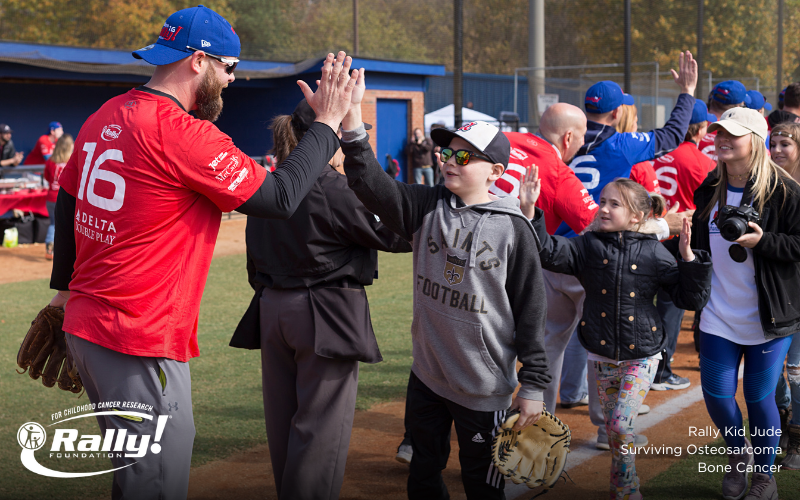
If your child is diagnosed with osteosarcoma or Ewing sarcoma, both different types of bone cancer, near or around the knee, your doctor...
It’s scary enough to have your child diagnosed with cancer. But on top of that you hear all these new words and terms, which can be...
July is Sarcoma and Bone Cancer Awareness Month, a time to raise awareness for children and families facing these rare and aggressive cancers. Sarcomas are cancers that develop in the bones or soft tissues of the body. While they account for only a small percentage of cancer diagnoses, they often require intensive treatment and can have devastating impacts on children and their families. This month, we remember Rally Kid Sarah. Sarah was diagnosed with Ewing sarcoma in 2009 at age 12....
When traditional funding sources weren’t ready to support this high-risk idea, Rally Foundation for Childhood Cancer Research stepped in. With Rally Foundation’s early funding, Dr. Mark Hatley and his team at St. Jude uncovered a surprising discovery in children with DICER1 cancer predisposition syndrome: A type of white blood cell called a neutrophil may actually help tumors form by releasing harmful web-like structures called neutrophil extracellular traps. The team...
Rally Foundation’s early investment in Mark Chiang’s, M.D., Ph.D, lab at the University of Michigan helped generate the preliminary data needed to secure more than $7 million in funding from the National Institutes of Health and over a decade of continuous federal support. Today, Dr. Chiang’s research is exploring a groundbreaking oral drug, RGT-61159, designed to stop cancer-driving proteins before they even form. This work could open the door to safer, more targeted treatments for children...
In 2018, Muxiang Zhou, MD, at Emory University School of Medicine received early research funding from Rally Foundation for Childhood Cancer Research. That support helped launch discoveries that are bringing new hope to children with hard-to-treat cancers. Dr. Zhou studies childhood cancer and searches for biomarkers, special clues in the body that show how cancer is growing. His work focuses on creating new medicines for kids with neuroblastoma and acute myeloid leukemia, especially when...
June is National Cancer Survivors Month, a time when Rally Foundation honors the strength and resilience of survivors of childhood cancer. It is also Infertility Awareness Month, bringing attention to one of the many long-term side effects survivors may face after treatment. Today, more children are surviving cancer because of advancements in research. But survivorship often comes with lifelong challenges, including heart and lung disease, learning disabilities, secondary cancers and...
In 2015, Jessica Heath, M.D., at Duke University School of Medicine received early research funding from Rally Foundation for Childhood Cancer Research. That first grant helped launch her career and gave her the chance to study how leukemia begins. Dr. Heath focused on a protein called CRM1. This protein normally helps cells work the right way. But in leukemia, CRM1 can help cancer grow. Rally’s early support gave her the freedom to ask big questions about how leukemia starts and spreads. ...