You just learned that your child has to have a bone marrow transplant. It sounds ominous. You have a lot of questions. Like, what exactly...
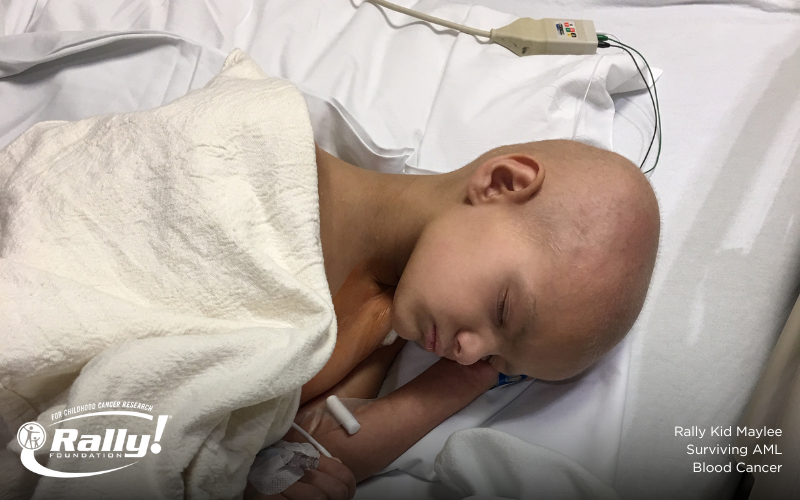
What Is a Bone Marrow Transplant?
read more
You just learned that your child has to have a bone marrow transplant. It sounds ominous. You have a lot of questions. Like, what exactly...
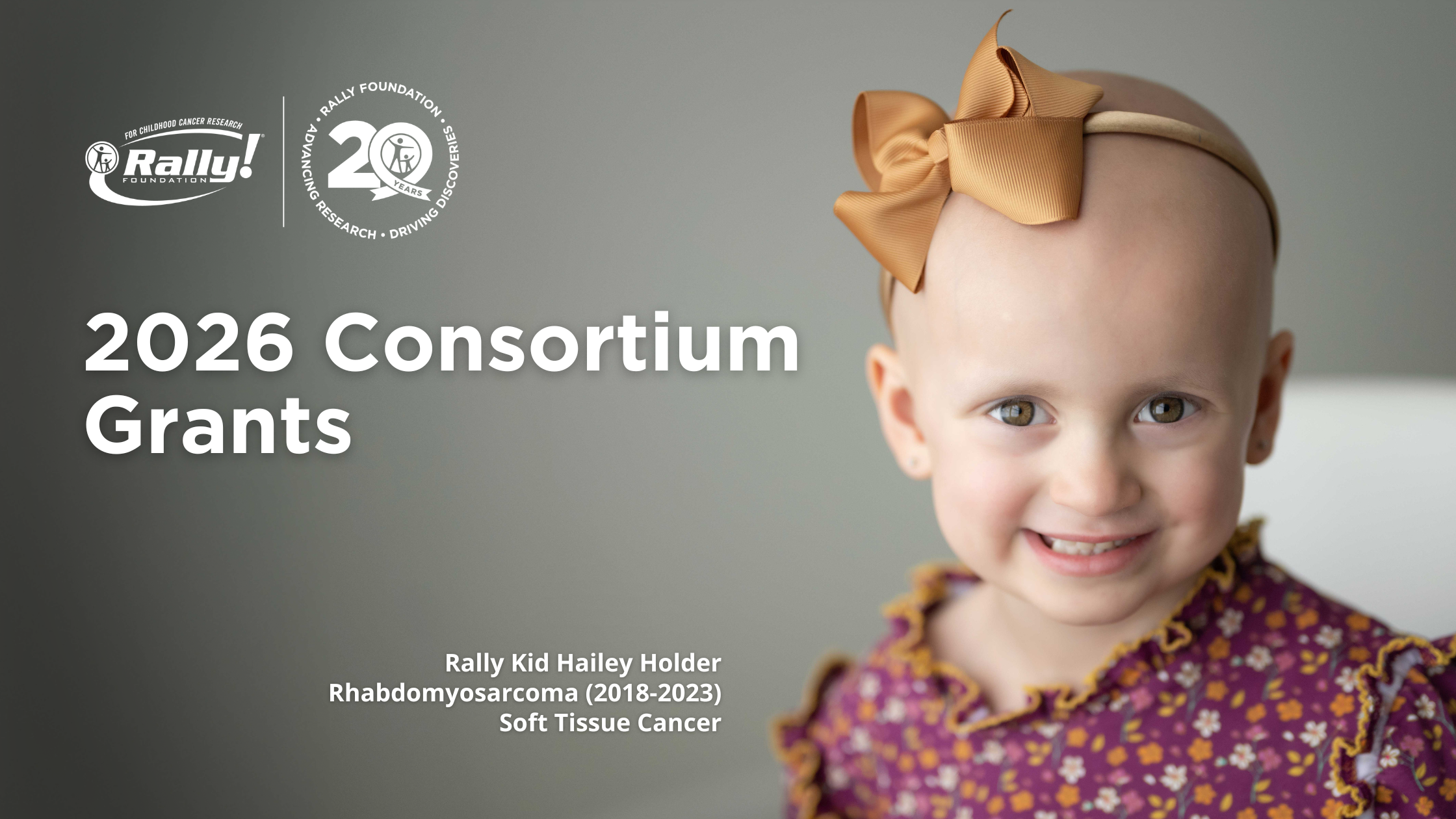
We are thrilled to share that Rally Foundation for Childhood Cancer Research has awarded a total of $1 million in funding for Consortium...
Rally is thrilled to announce that $1,250,000 has been awarded through this year’s Independent Investigator Grants, supporting innovative...
We’re delighted to announce the $600,000 awarded for this year’s Young Investigator Grants, which support the next generation of childhood...
Rally is thrilled to announce $850,000 awarded to our 2026 Postdoctoral and Clinical Research Fellow Grants! At Rally, we know the future...
Breakthroughs happen with outside-the-box thinking, in science, in medicine and especially in childhood cancer research. At Rally...
At Rally, we believe that innovative research begins with innovative researchers. That’s why we are thrilled to announce the recipients of...
In 2026, Rally Foundation for Childhood Cancer Research is thrilled to award $1 million in 20/20 Alumni Visionary Grants to 10 researchers...
You just found out that your child has cancer. And that chemotherapy is part of the treatment plan. Most everyone has heard of...
Radiation therapy is targeted energy used to destroy cancer cells, shrink tumors and/or alleviate certain cancer-related symptoms....
In 2026, Rally Foundation for Childhood Cancer Research is thrilled to award a total of $7 million in childhood cancer research grants to...
Honoring 20 years of innovative ideas and the visionaries behind them. For 20 years, Rally Foundation for Childhood Cancer Research has...
MRI stands for Magnetic Resonance Imaging. Having an MRI does not hurt, and it is safe – no radioactivity is present. It may take up to...
A CT (or CAT) scan is a diagnostic medical imaging procedure that creates three-dimensional images of internal organs, soft tissues, blood...
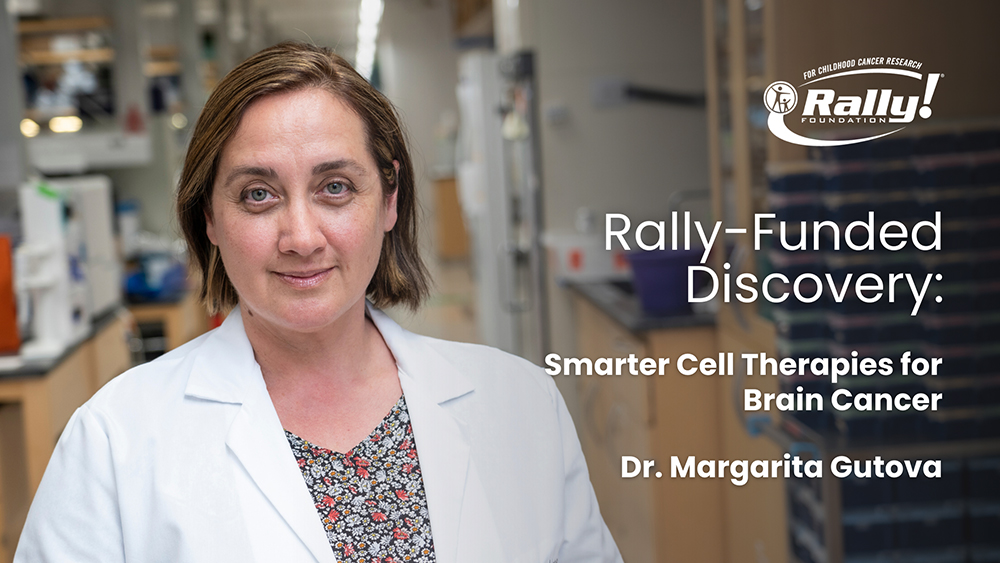
When kids are diagnosed with brain cancer, the treatments can be really tough. That’s why scientists are looking for new ways to help the...
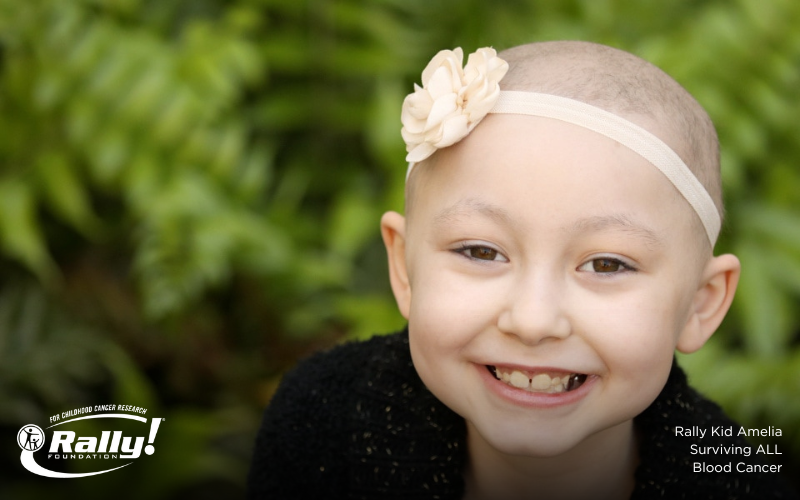
It’s no secret that adults get cancer. But children get cancer, too -- and it’s more common than you might think. Worldwide, 300,000 kids are diagnosed with cancer every year. And in the U.S., 1 in 285 children will be diagnosed with cancer before they turn 20. There are many types of childhood cancers. Some cancers are more common in children than adults, and there are some cancers that only children get. Here’s a look at some of the most common childhood cancers. Leukemia The most common...
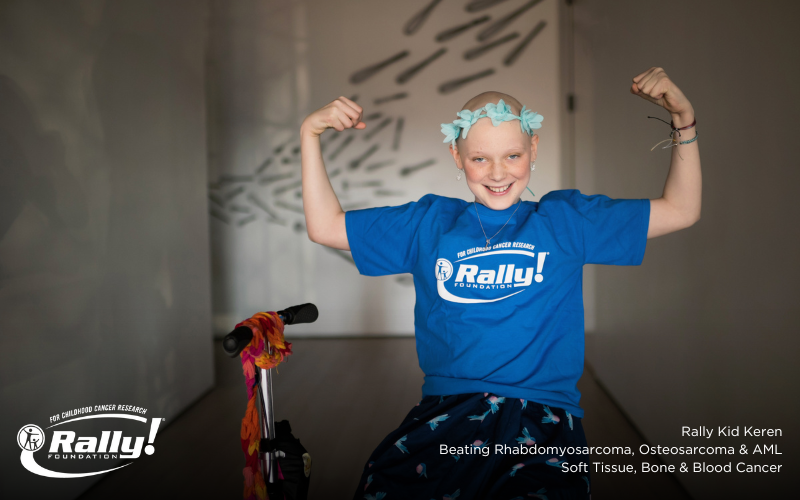
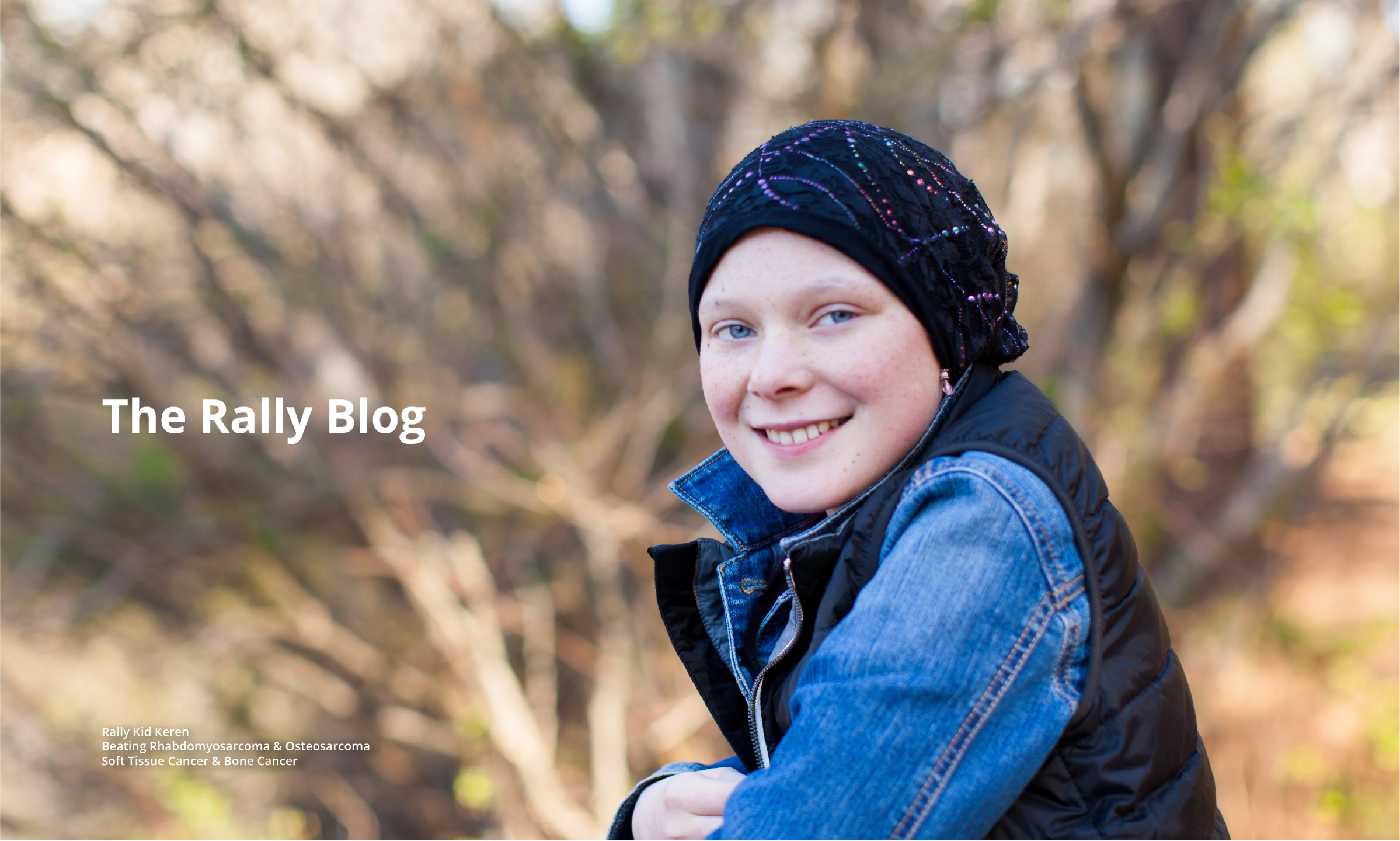
Rhabdomyosarcoma (RMS) is a type of soft tissue cancer that most commonly affects children and adolescents. It’s often found in skeletal muscle tissue or organs, such as the head and neck area, the urinary system, the reproductive system or appendages like the arms and legs. Rhabdomyosarcoma is part of a larger grouping of cancers called sarcomas which emerge in the body’s connective tissues, like muscles, fat, bones, blood vessels and joints. There are 50 different types of sarcomas. There...
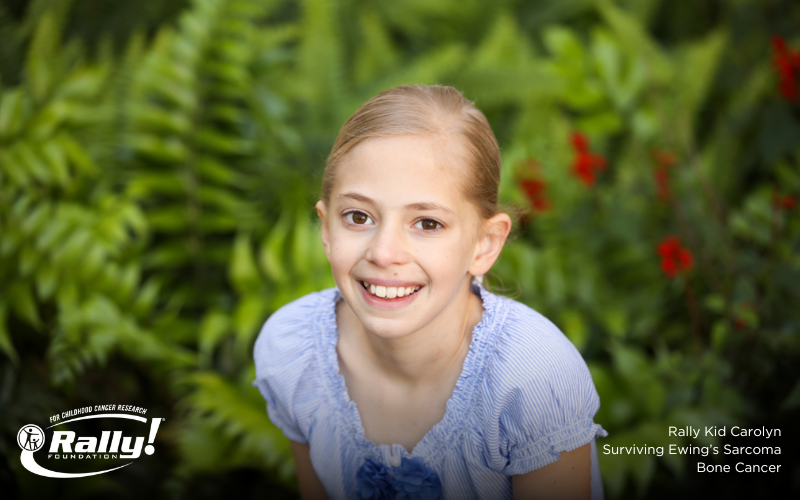
Ewing Sarcoma Defined Ewing sarcoma is a cancerous bone tumor that affects children, adolescent and young adults—usually developing during puberty between the ages of 10 and 20 years old. Approximately 87% of Ewing sarcomas are in the long bone, meaning the arm, thigh, shin and pelvis. On rare occasion, Ewing sarcomas can occur in soft tissue like cartilage or nerves. These are called pPNET tumors and can be found in the nerve tissue in many parts of the body; if a pPNET is found in the chest,...
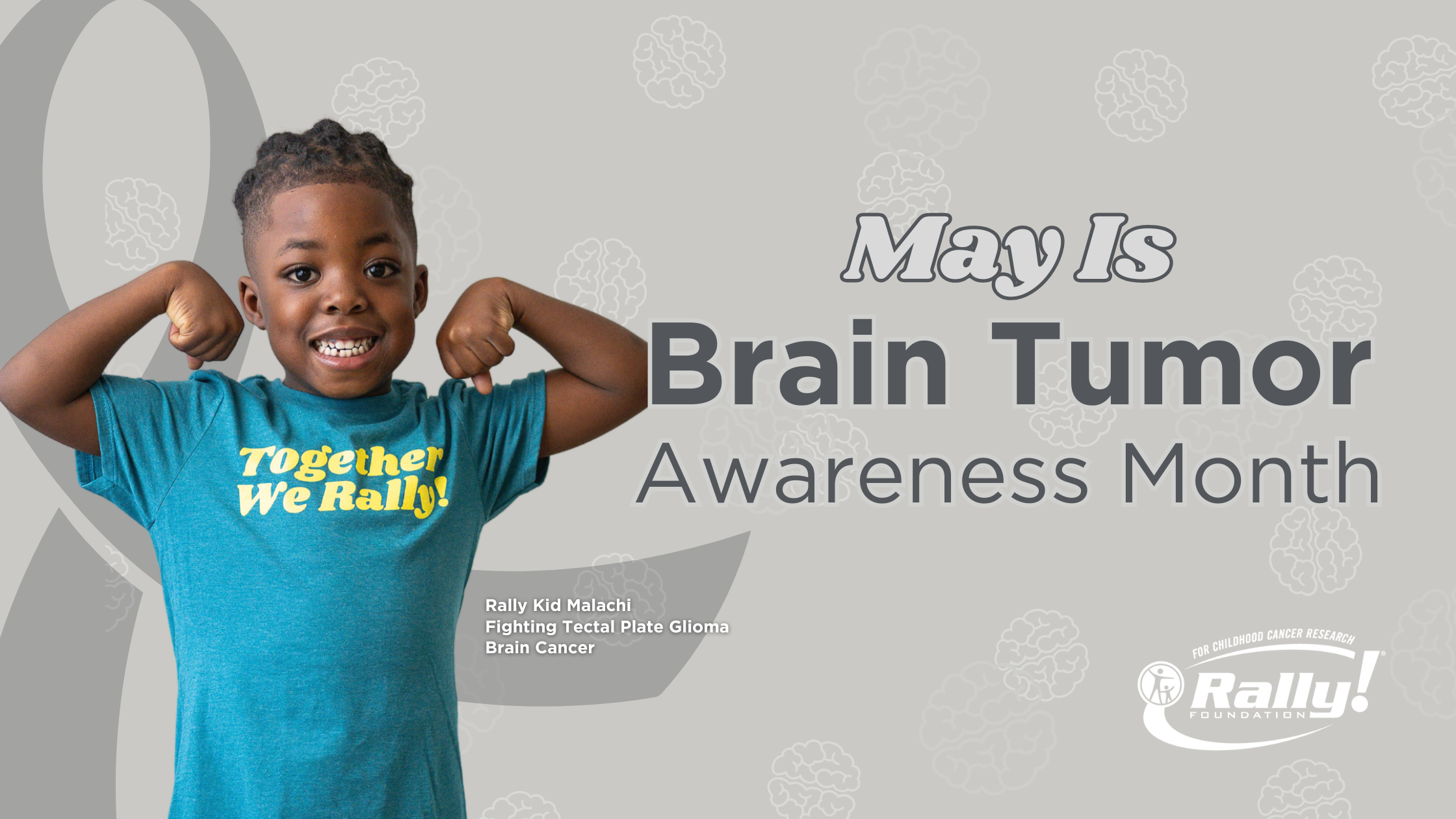
May Is Brain Tumor Awareness Month May is recognized as Brain Tumor Awareness Month, a time dedicated to shining a light on one of the most complex and aggressive forms of cancer affecting children. Brain tumors are the leading cause of cancer-related death in kids, yet they remain underfunded compared to other cancers. This month is about more than awareness. It is about urgency. It is about progress. And most importantly, it is about the children and families facing diagnoses that no one...
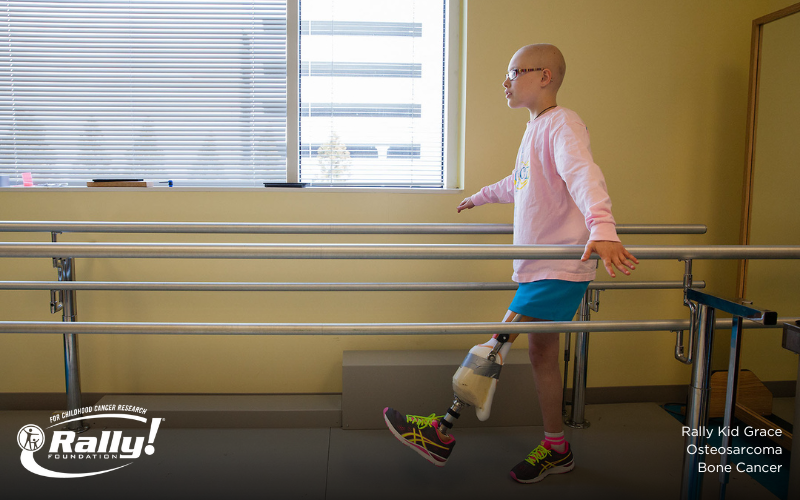
Osteosarcoma is the most common type of bone cancer in children and adolescents. The tumor often originates in the long bones of the body, and while osteosarcoma frequently starts in a particular bone, it can potentially move to other sites in the body, such as the lungs and other bones. This movement, known as metastasis, makes the disease more difficult to treat. “For patients that present with no evidence of metastatic or disseminated disease, the overall prognosis is about 70-75%,” said...
When your child is first diagnosed with brain cancer, you may be asked if you want to donate your child’s tumor tissue. A brain tissue donation is a very personal decision to make, especially at a time when you are confronted with so many decisions and questions. This informative video, “The Journey of Donated Tissue” by our friends at the Swifty Foundation will answer many of the questions you might have. Rally is very supportive of brain tissue donation, and wants to help spread awareness of...