Neuroblastoma is a cancerous tumor that develops in the nervous system of babies and young children. It can also occur, rarely, in...
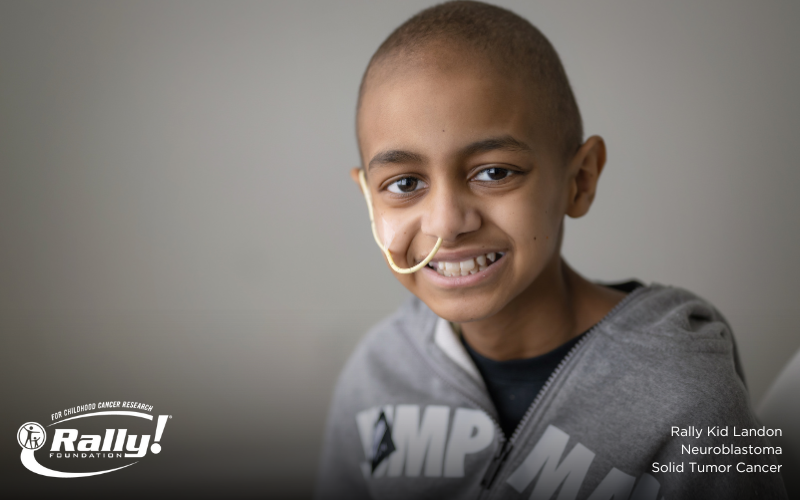
What is Neuroblastoma?
read more
Neuroblastoma is a cancerous tumor that develops in the nervous system of babies and young children. It can also occur, rarely, in...
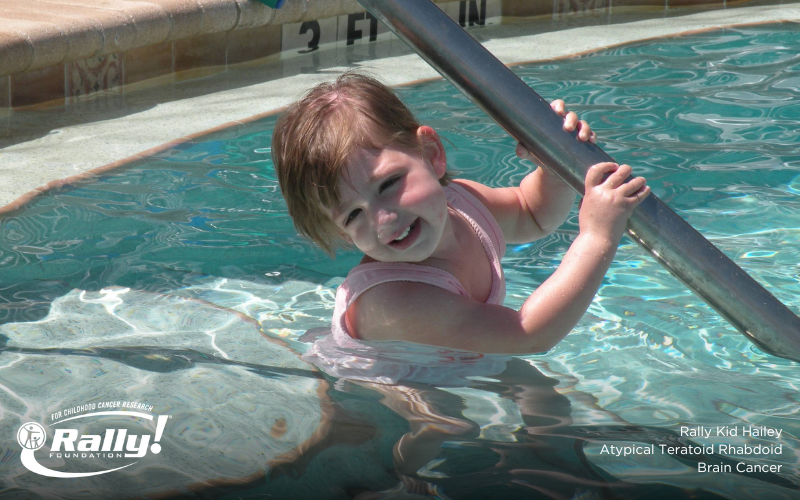
Atypical Teratoid/Rhabdoid Tumor (AT/RT) is a rare and fast-growing tumor that typically originates in the brain and spinal cord. These...

Dear sweet Alexa, Yesterday’s passage of the funding bill in the Senate (yes, it’s now 2026!) was a win inspired by you so many years ago....
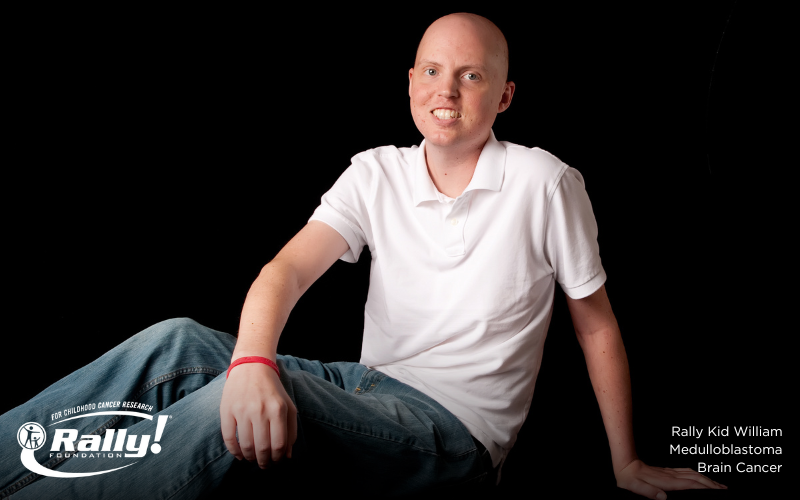
Medulloblastoma is a type of brain cancer that’s most commonly found in children. “Medulloblastoma starts in the cerebellum, which is...
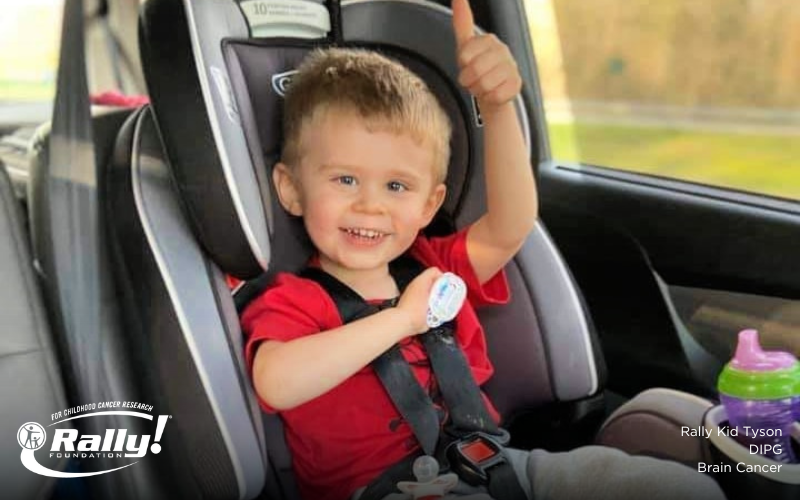
Diffuse intrinsic pontine glioma (DIPG) is a brain tumor found in a part of the brain stem—above the back of the neck and connected to the...
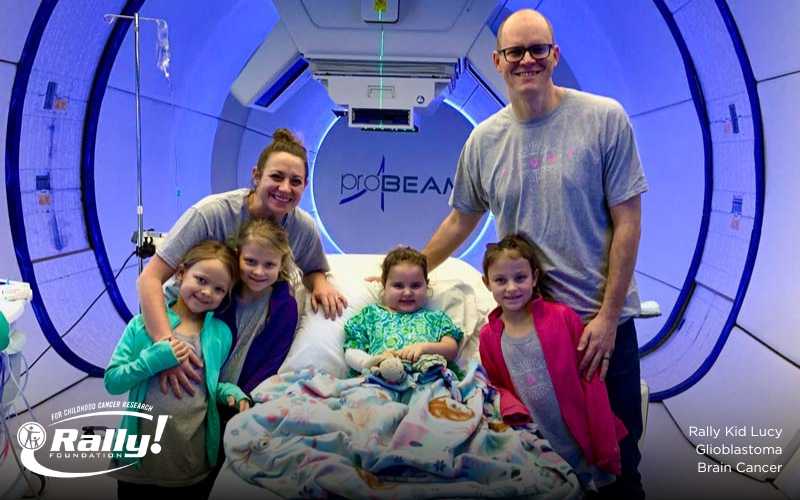
“Glioma” is a general term for a group of tumors that begin in glial cells—the supporting cells of the brain. Gliomas are classified based...
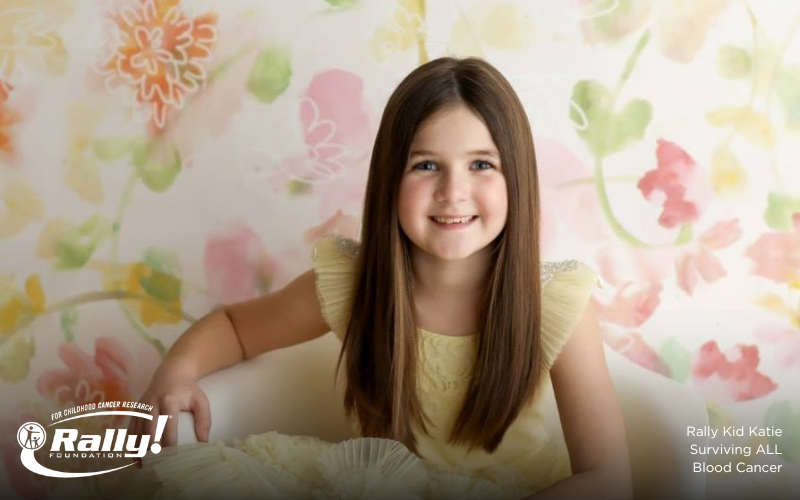
Acute lymphoblastic leukemia, also called acute lymphocytic leukemia, or ALL for short, is a type of blood cancer that causes bone marrow...
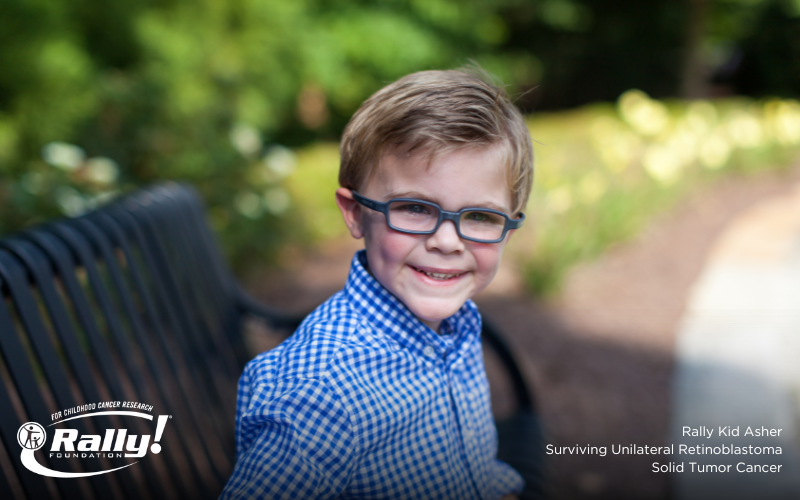
In simple terms, retinoblastoma is an eye cancer that develops in the immature cells of the retina. Though it is rare—with approximately...

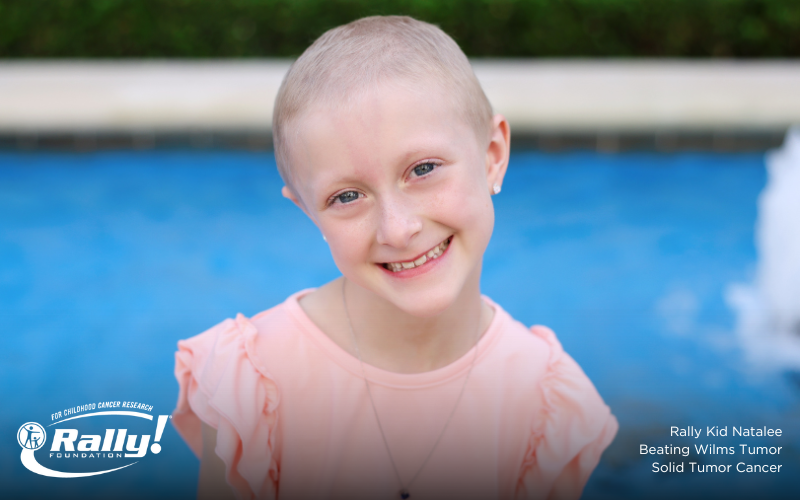
Wilms tumor is a type of kidney cancer that primarily develops in children around the ages of three and four. It’s the most common type of...
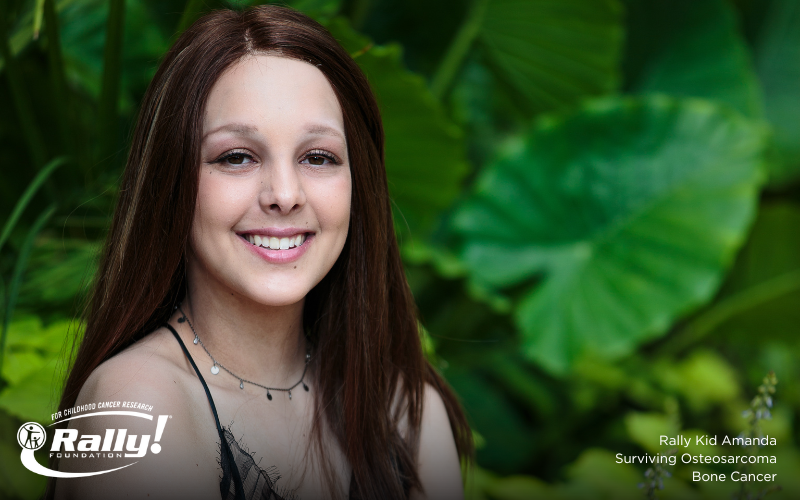
Childhood cancer is a big problem. In the U.S. alone, 46 children are diagnosed with cancer every school day. But it doesn’t just affect...
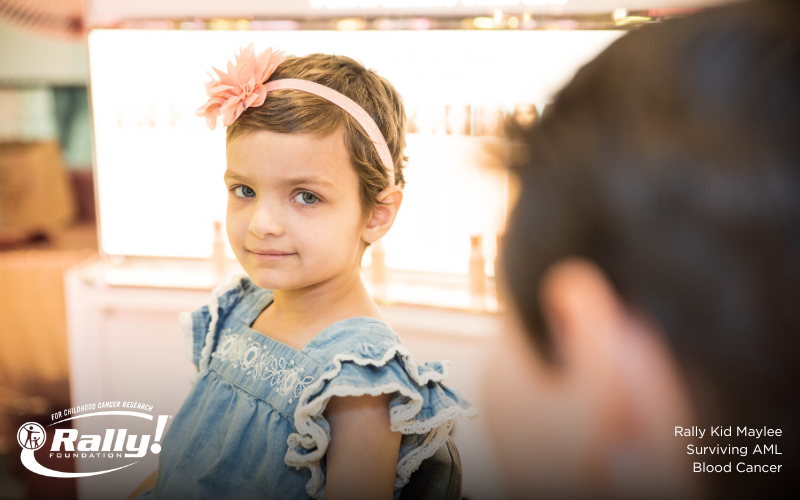
Acute myeloid leukemia (AML) is a blood cancer of the myeloid cells that normally form white blood cells, red blood cells or platelets....
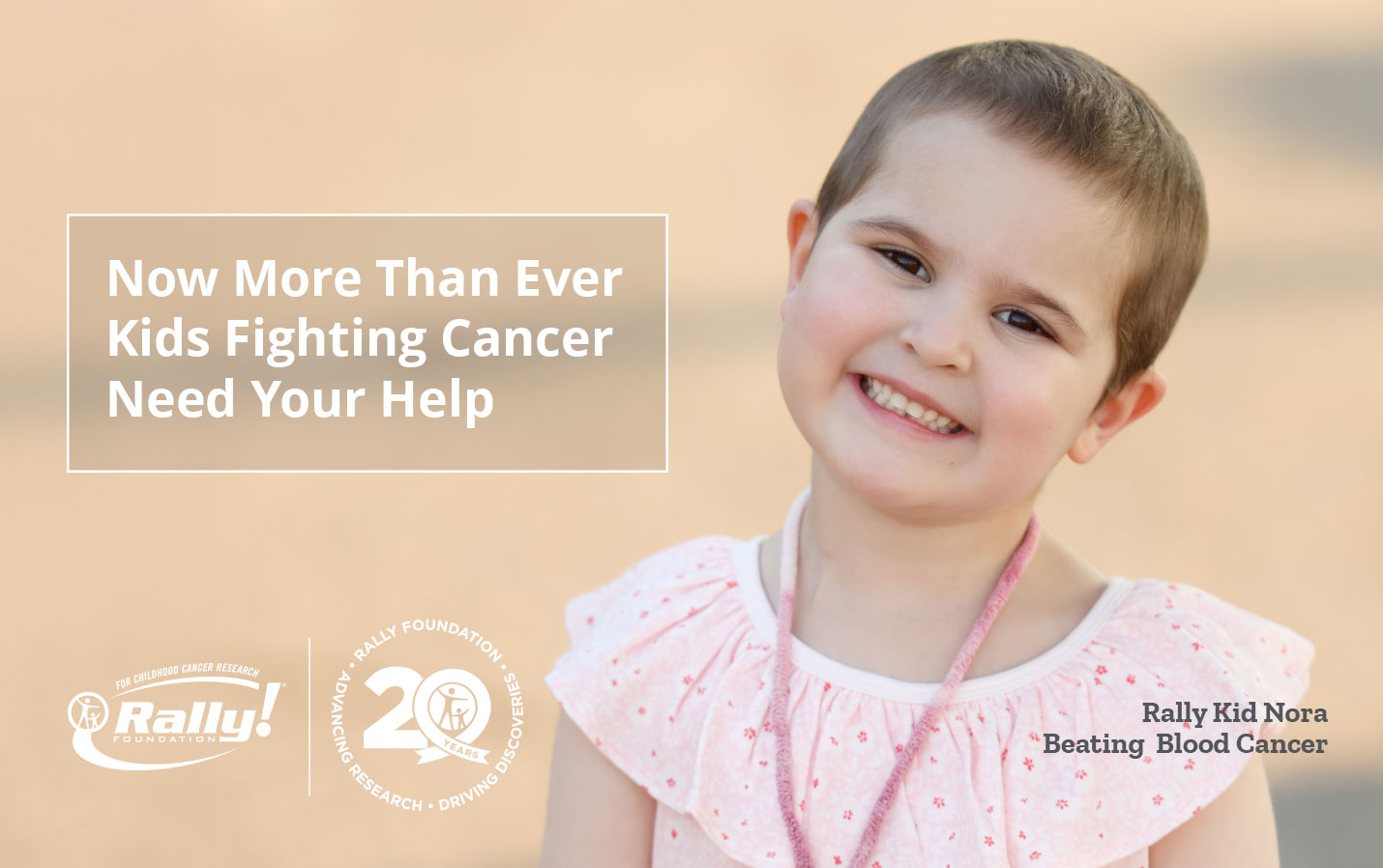
Twenty years ago, Rally was birthed from a prayer circle in a driveway. William Olson, a junior in high school, was battling brain cancer...
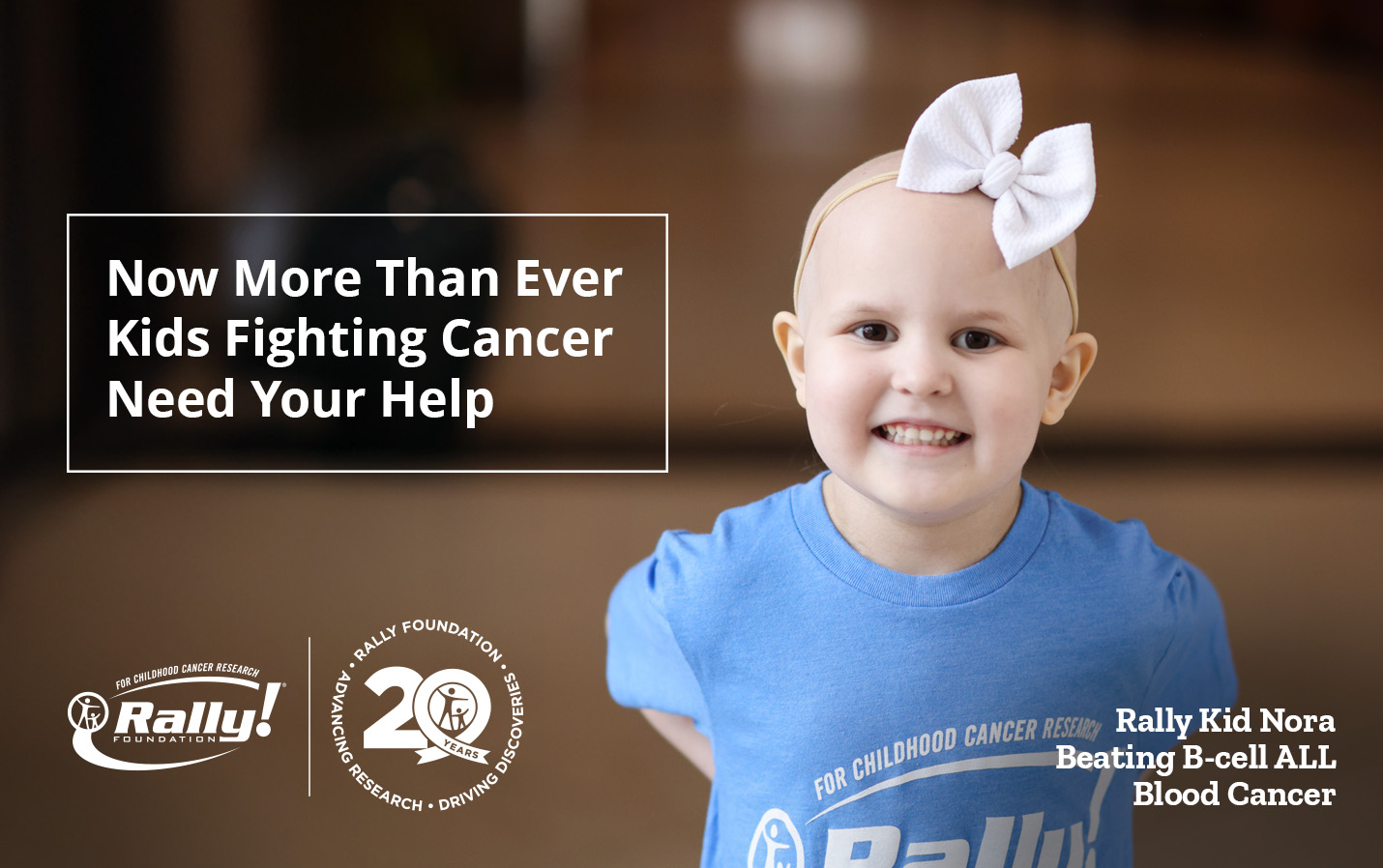
Hi! My name is Nora. I am 7 years old and I have a blood cancer called ALL — for a second time. The first time, I was 4 years old and I...
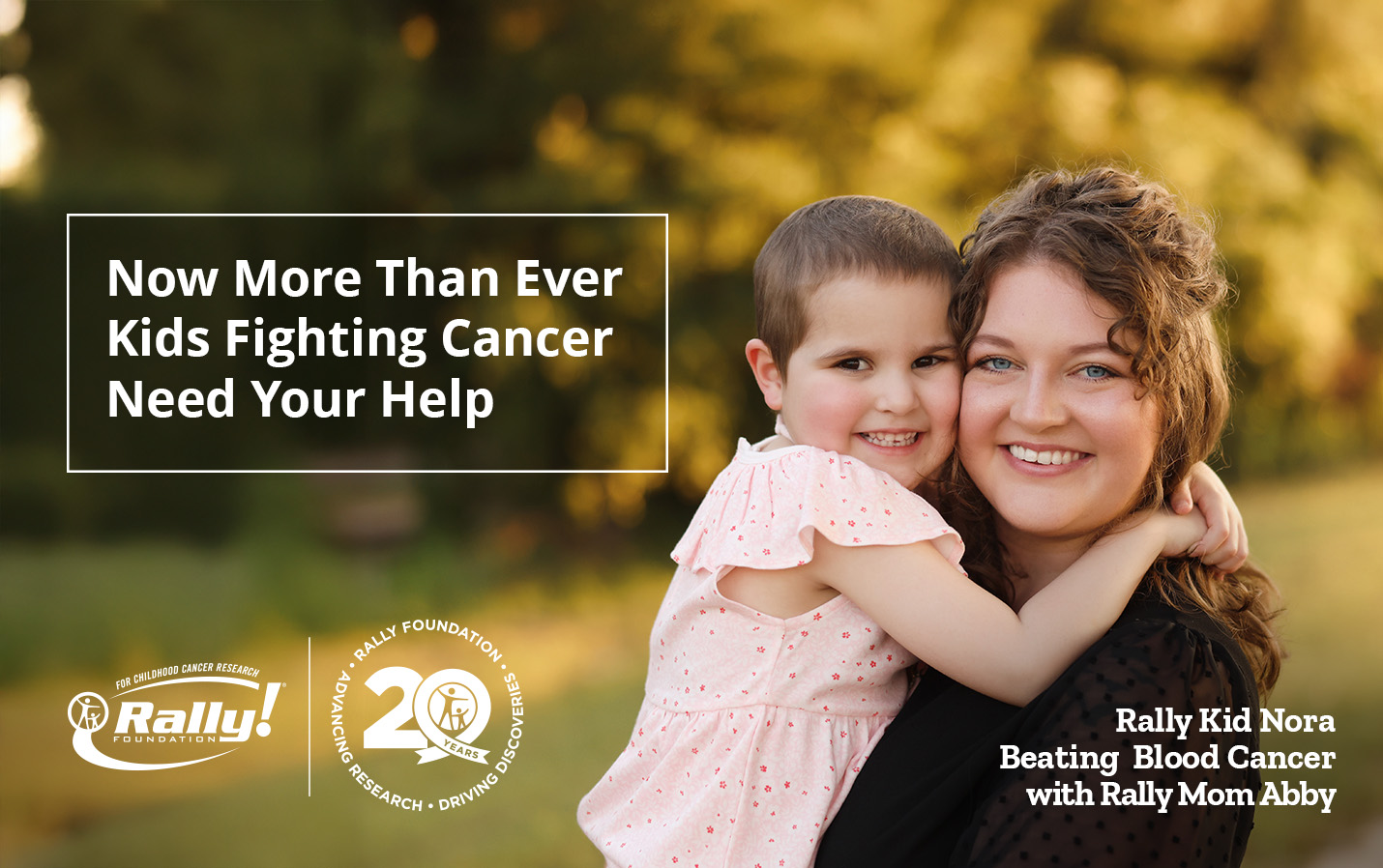
Dance, tumbling, playing outside and all things pink — these are the joys that light up Rally Kid Nora’s world. She loves to go to school...
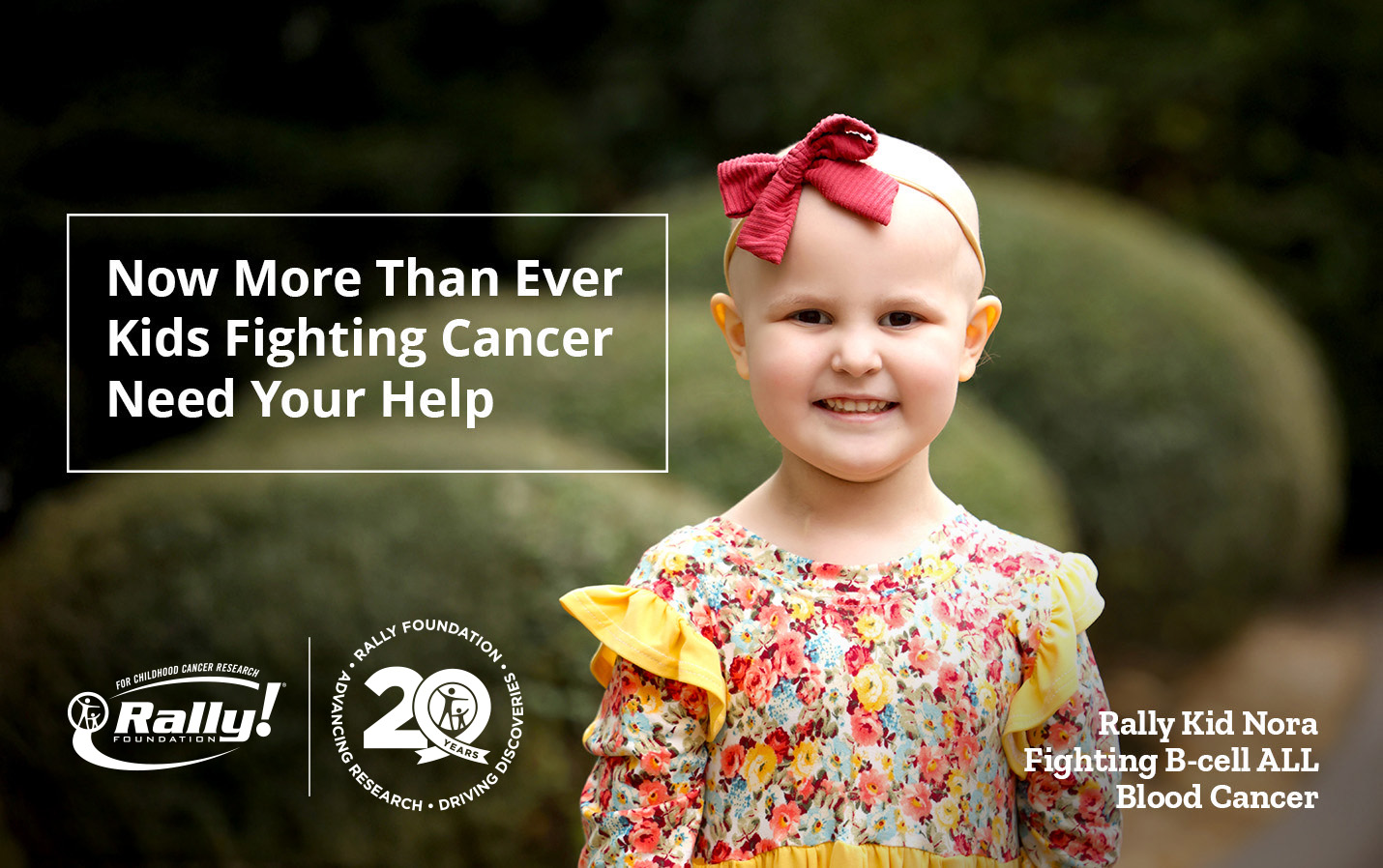
Like most 4-year-old girls, Nora was full of life — happy, energetic and always on the go. Nothing seemed out of the ordinary until her...
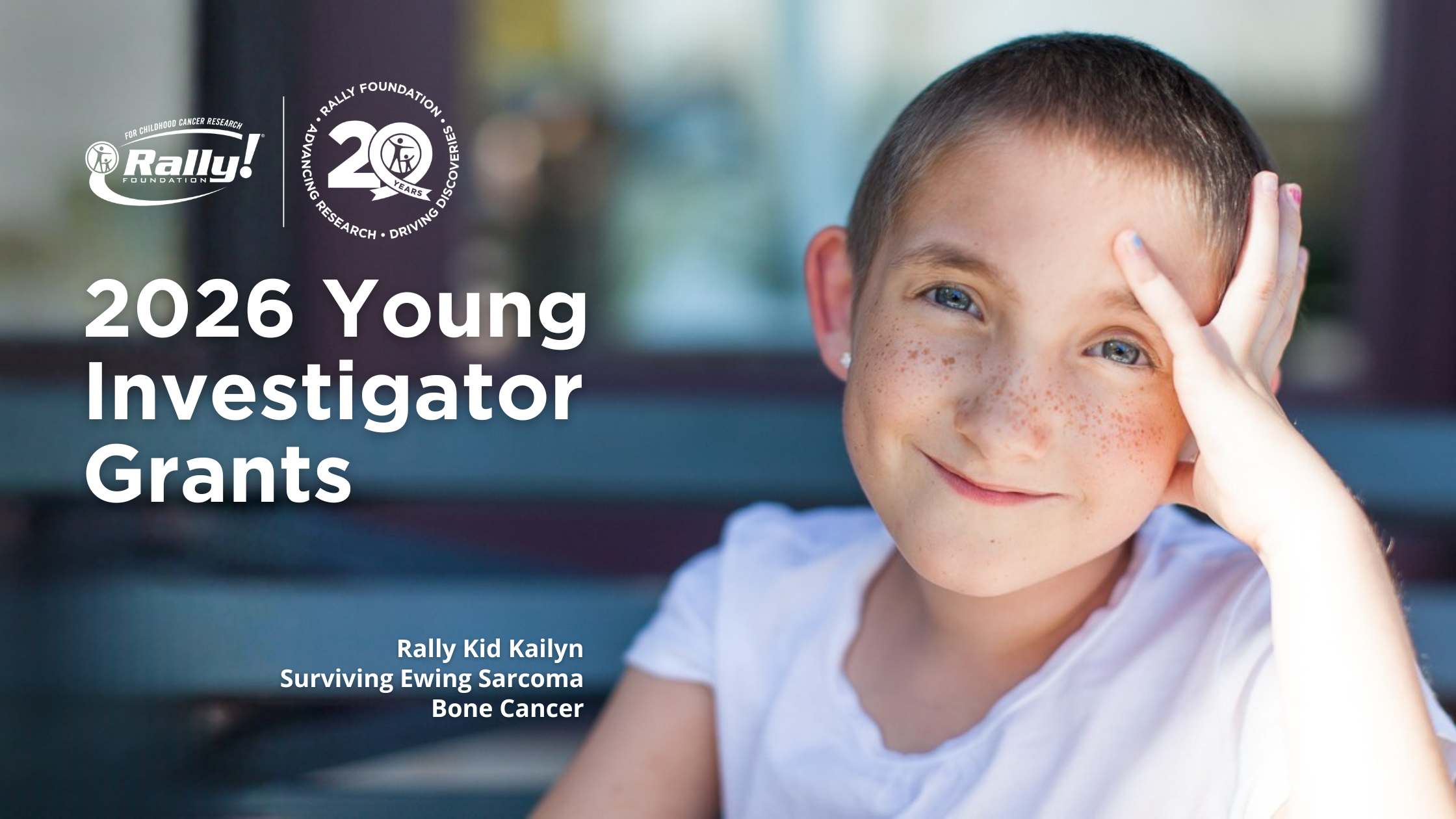
We’re delighted to announce the $600,000 awarded for this year’s Young Investigator Grants, which support the next generation of childhood cancer researchers! But who exactly are these young investigators? In short, they’re bright, passionate scientists and doctors working tirelessly to find better treatments and, ultimately, cures for childhood cancer. Young investigators are typically within five years of completing their fellowship. At this crucial stage in their careers, they’re focused on...
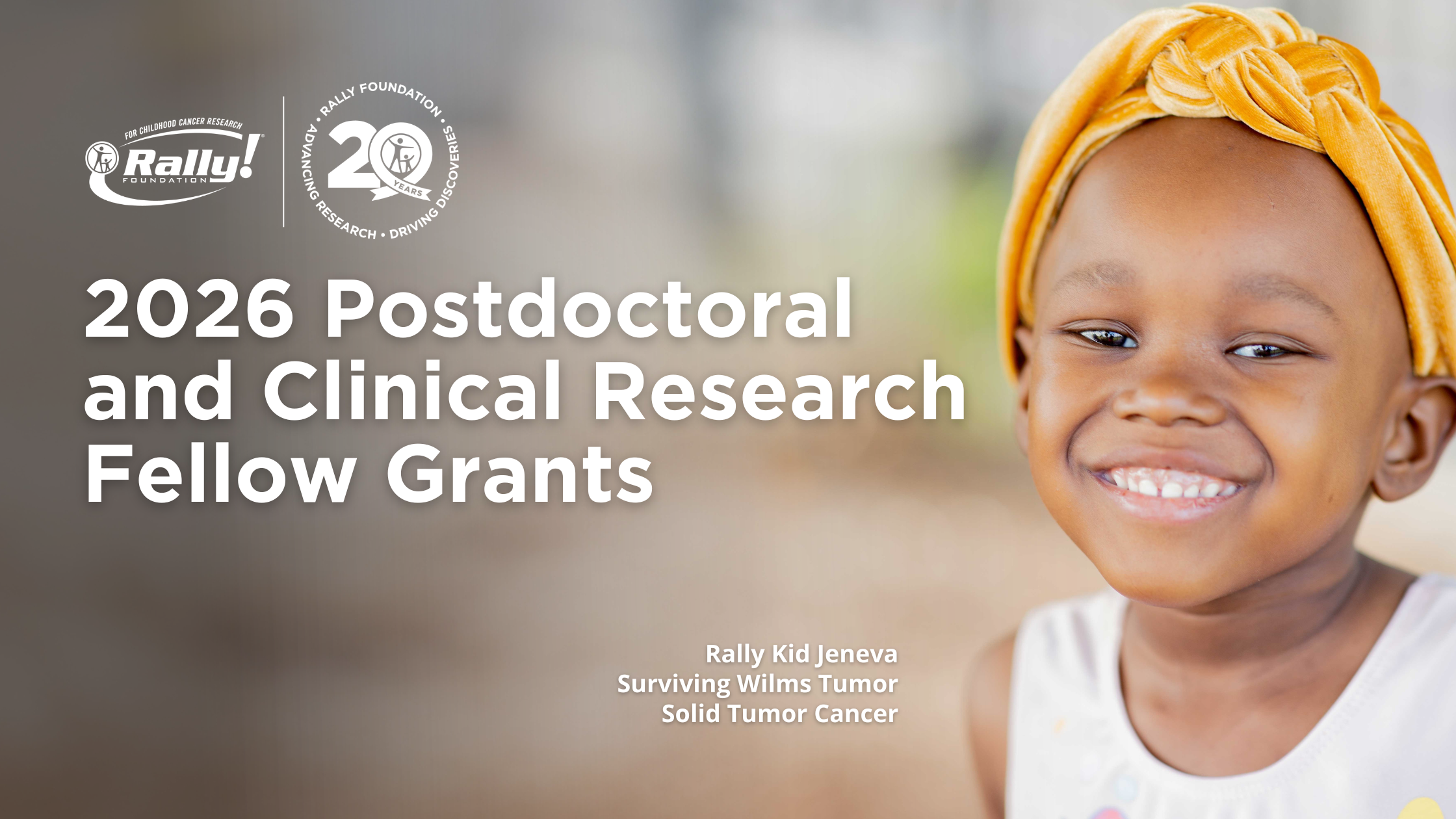
Rally is thrilled to announce $850,000 awarded to our 2026 Postdoctoral and Clinical Research Fellow Grants! At Rally, we know the future of pediatric cancer research lies in the hands of the next generation of researchers. Bright young minds work tirelessly to establish themselves as independent researchers in pediatric cancer. They push boundaries, seek new ideas and challenge the status quo, and Rally is here to support them. Postdoctoral and clinical research fellows are in the early...
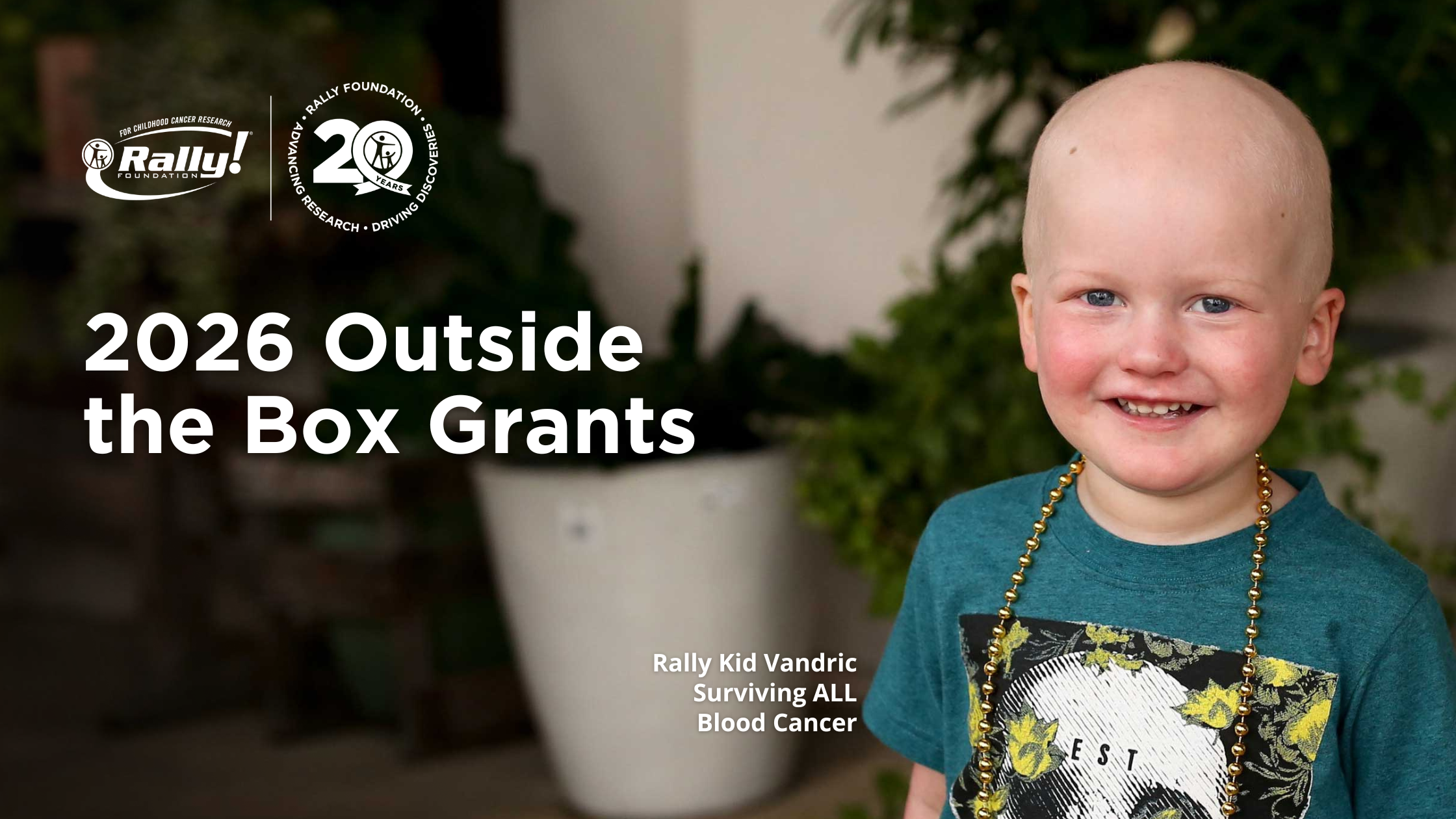
Breakthroughs happen with outside-the-box thinking, in science, in medicine and especially in childhood cancer research. At Rally Foundation, we believe that bold ideas deserve a chance, and each one may be that next big breakthrough. That’s why we created the Outside the Box Grant. We want to fund innovative, early-stage research to challenge the status quo and inspire new discoveries. Each year, the focus of this grant shifts to meet emerging needs in childhood cancer research. For 2026, we...
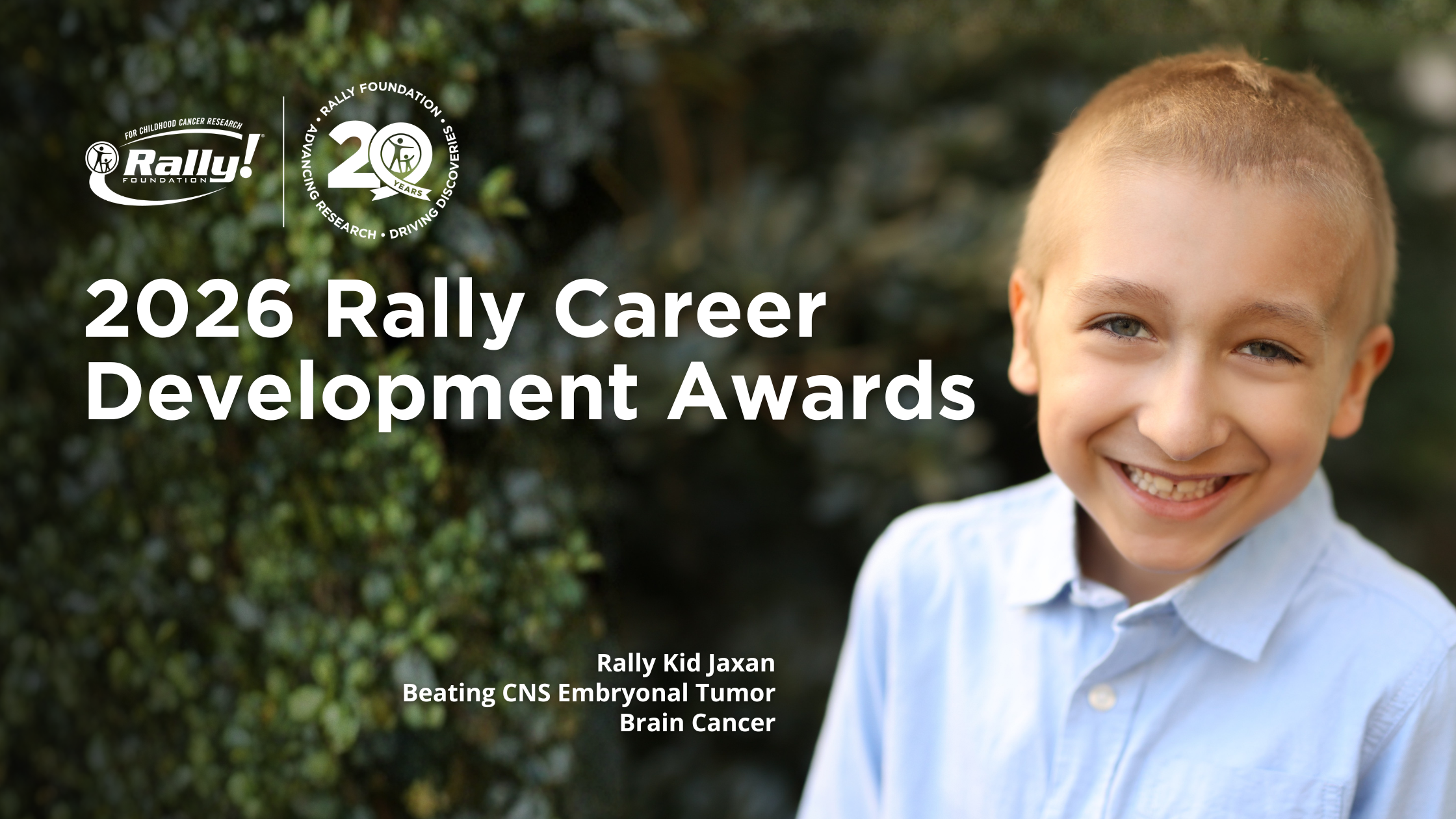
At Rally, we believe that innovative research begins with innovative researchers. That’s why we are thrilled to announce the recipients of our Rally Career Development Awards, an investment of $1.4 million in the future of childhood cancer research. So, what is a Rally Career Development Award? This award targets early-career investigators. In their first independent faculty appointment, they are transitioning from mentorship to launching their own research labs, publishing their own findings...
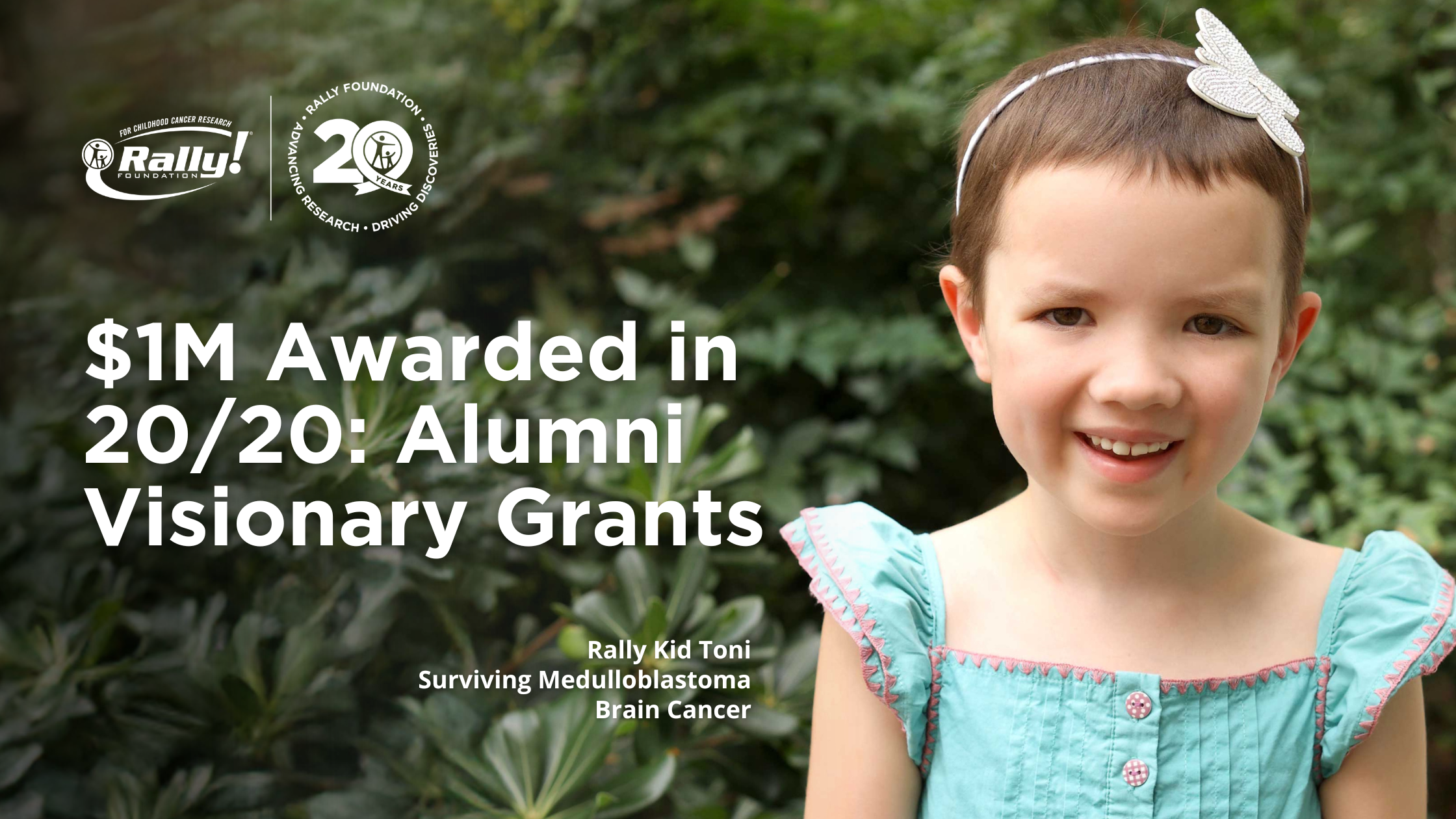
In 2026, Rally Foundation for Childhood Cancer Research is thrilled to award $1 million in 20/20 Alumni Visionary Grants to 10 researchers across 9 U.S. institutions. For 20 years, Rally Foundation has proudly supported groundbreaking ideas, empowered early career investigators and accelerated the path from bench to bedside. To recognize Rally’s continued role as philanthropic seed investors in the next great discovery, Rally Foundation launched our 20/20: Alumni Visionary Grant. This...
You just found out that your child has cancer. And that chemotherapy is part of the treatment plan. Most everyone has heard of chemotherapy. But what is it really? Chemotherapy is any drug used to stop the growth of cancer cells. Chemotherapy is designed to either kill cells or stop them from dividing. Is there just one chemotherapy? There are many different types of chemotherapy because different chemotherapies treat different types of cancer. Sometimes your child may receive several...