A few months ago, Rally Mom Tiffany shared with Rally Foundation the outstanding support their family has been receiving from the Brain...
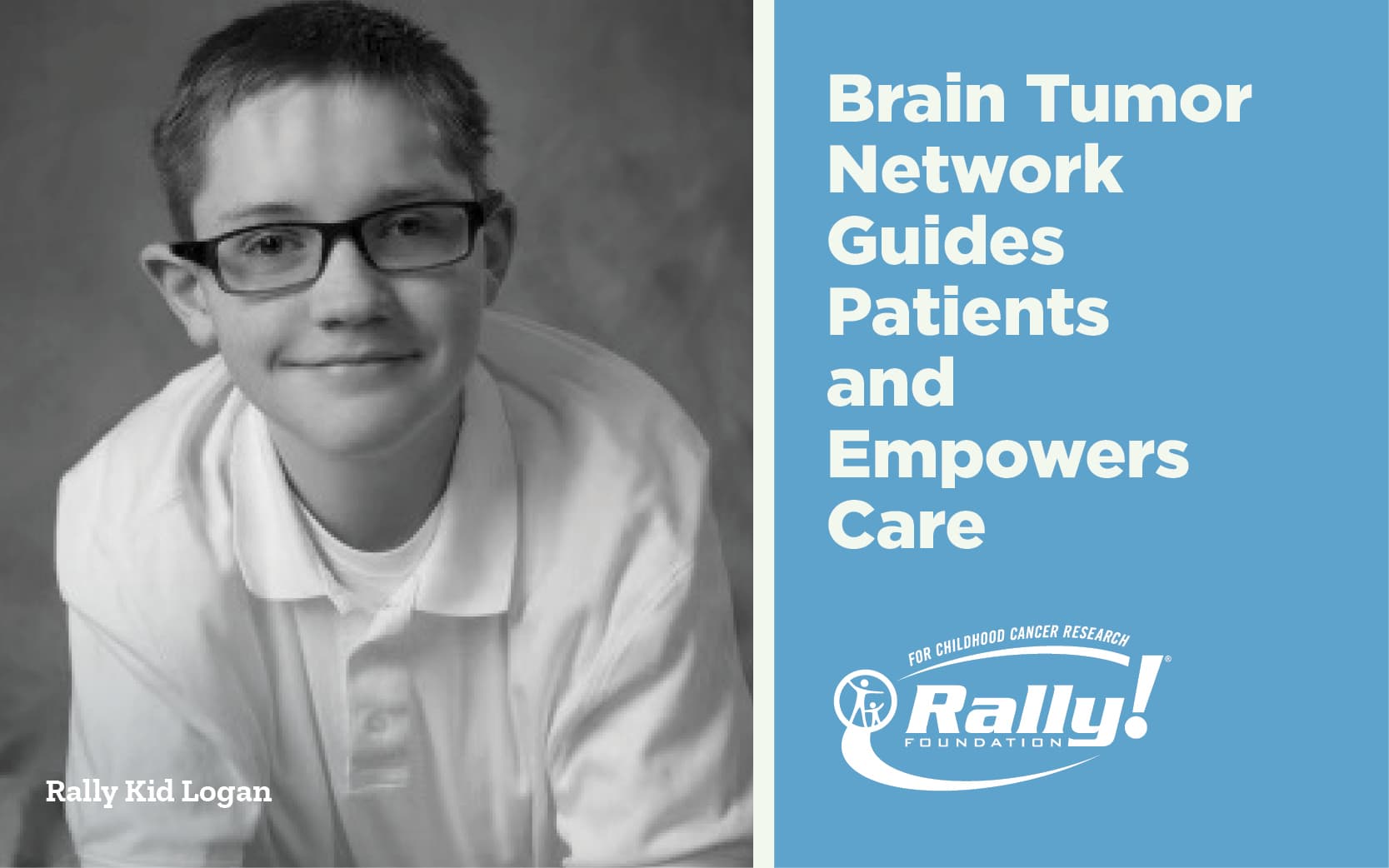
Brain Tumor Network Guides Patients and Empowers Care
read more
A few months ago, Rally Mom Tiffany shared with Rally Foundation the outstanding support their family has been receiving from the Brain...
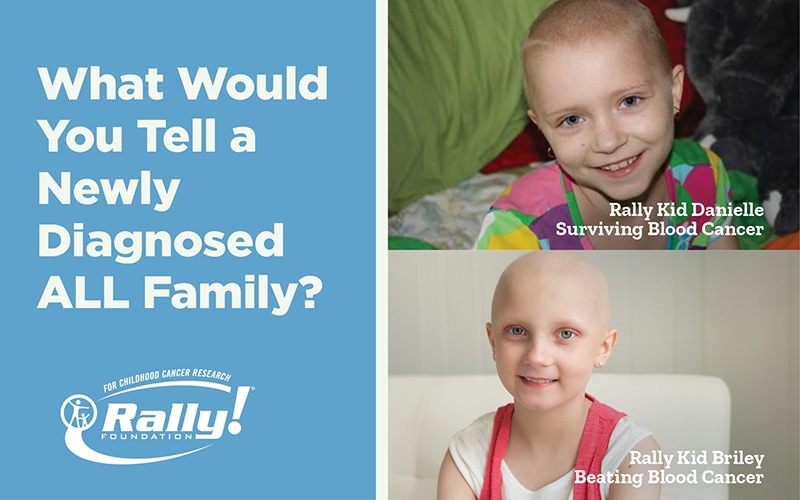
Did your family receive a new diagnosis of ALL? We know that sometimes the best people to talk to during moments such as these are those...
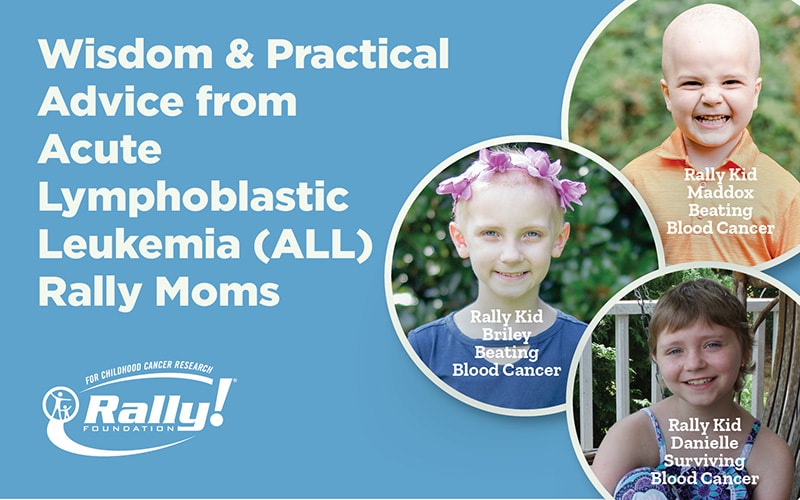
If you’re reading this, someone you know, it might even be your child, may have been diagnosed with acute lymphoblastic leukemia (ALL). As...
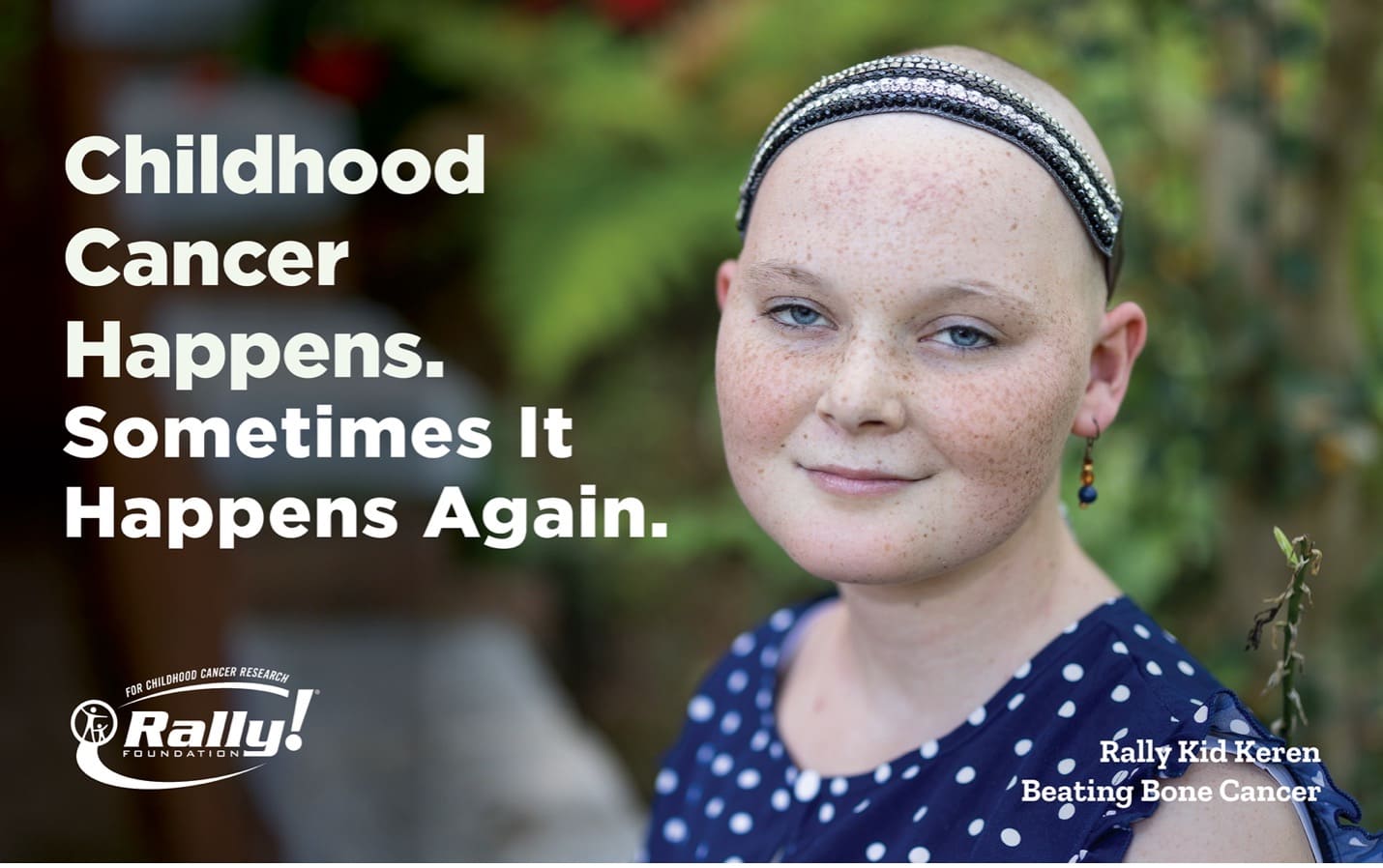
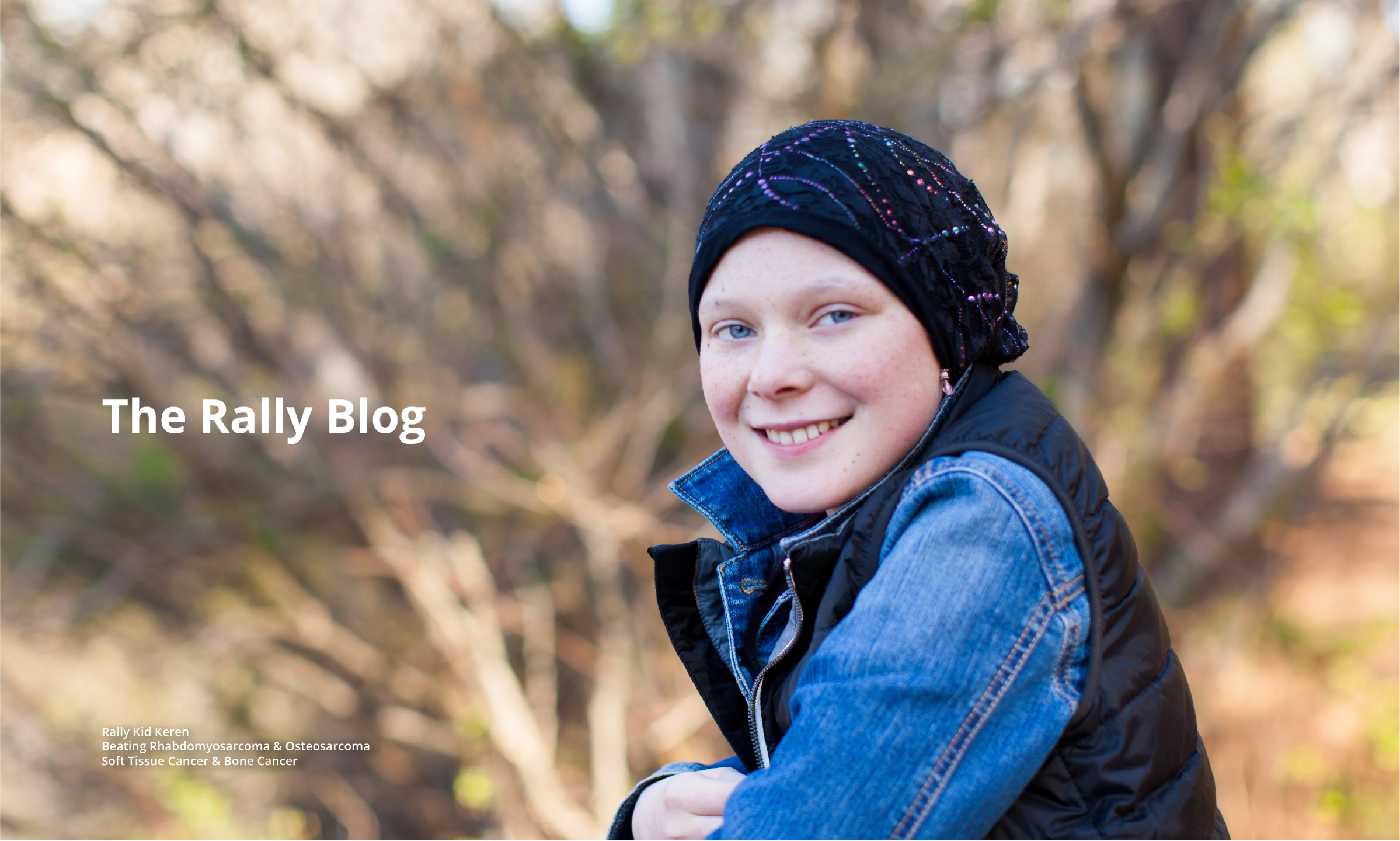
Yes, you have met her before. Five years ago, Rally Kid Keren was diagnosed with rhabdomyosarcoma, a soft tissue cancer. Her fight...
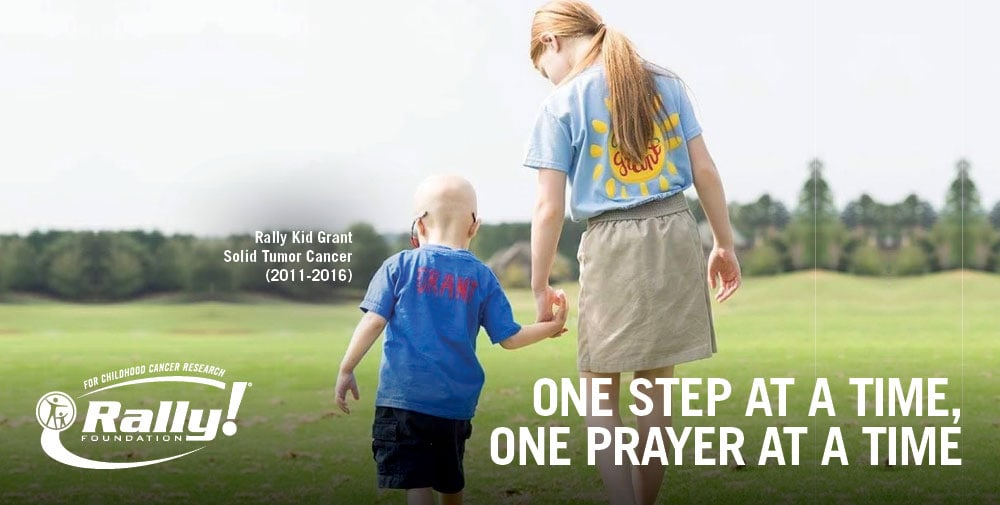
Normal is defined as conforming to a standard; usual, typical or expected. My name is Sarah Gossling and I am one of Rally Kid Grant’s...
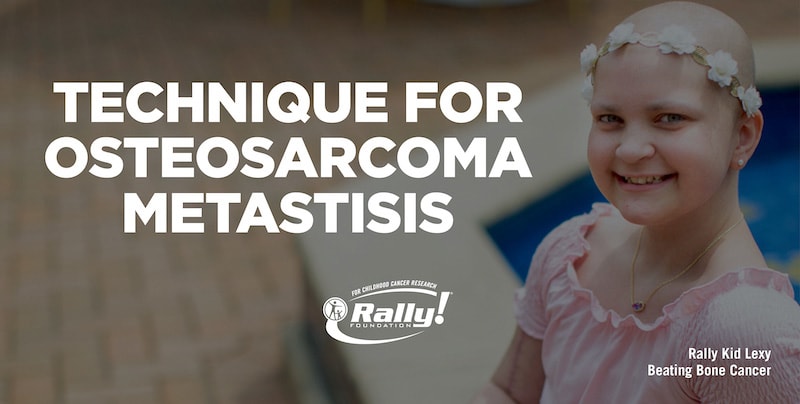
Osteosarcoma (OS) is a type of cancer that begins in the cells that form bones, and mainly affects teenagers and young adults. In...
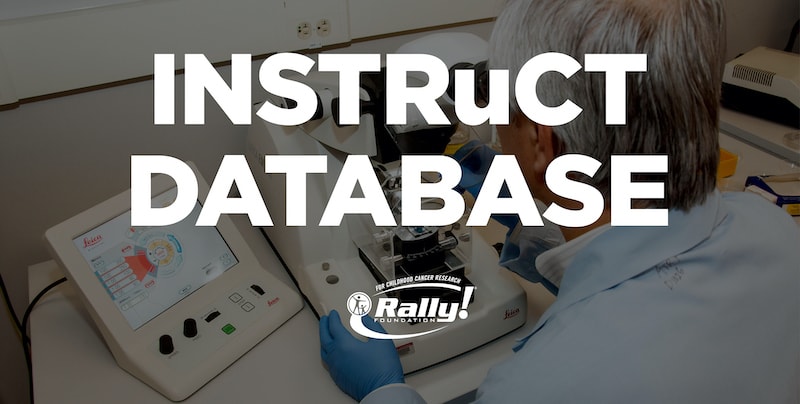
Rally is proud to be the initial funder for the creation of the INSTRuCT Database with a Consortium Grant to Dr. Sam Volchenboum of the...
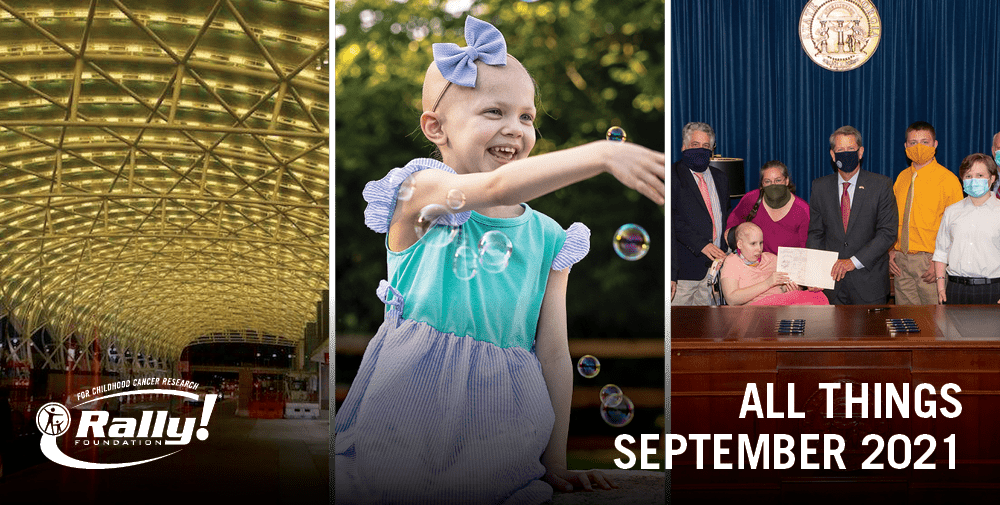
This September, we have so many amazing things planned for Childhood Cancer Awareness Month. We are incredibly excited for you to join us...
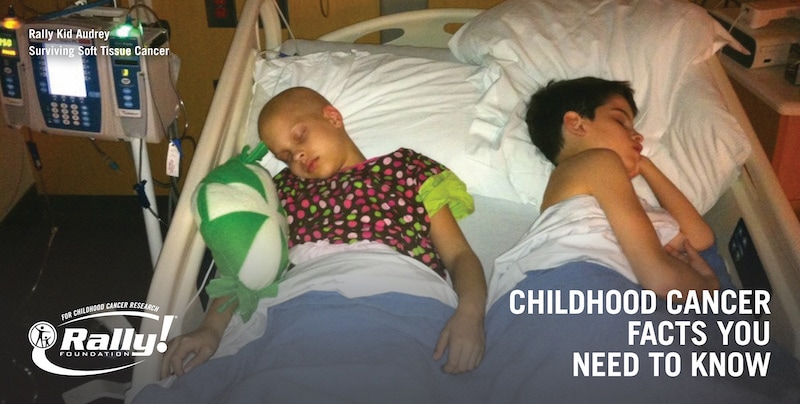
We want to give you the childhood cancer facts, so you know what that inspire us to Rally On towards our goal of finding better treatments...
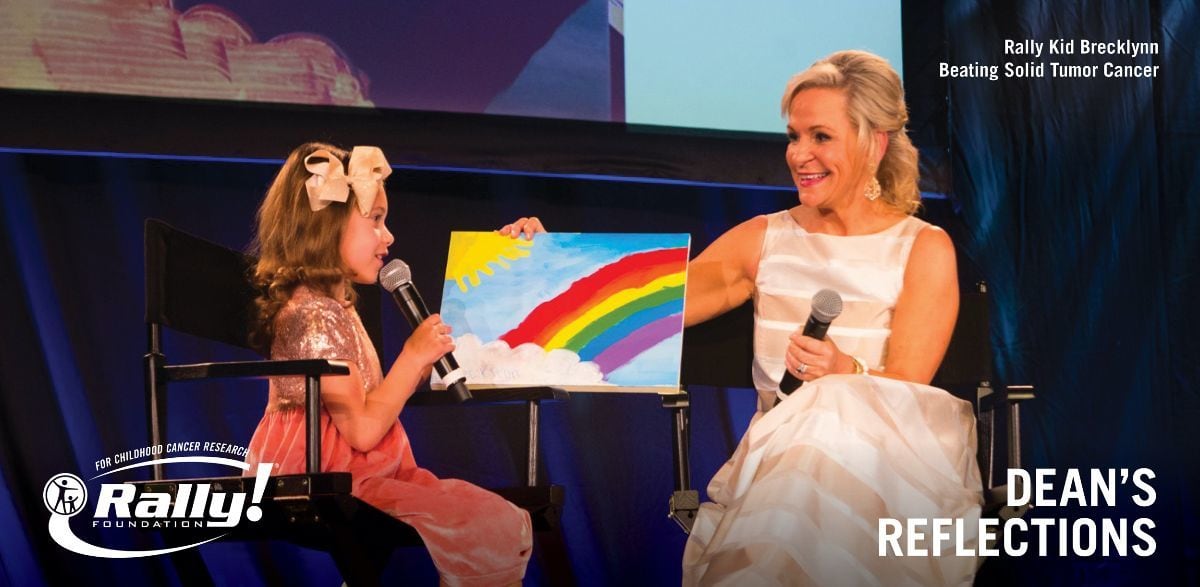
Hi Friends, The Rally Team came to me with an idea. And you know at Rally, if there is one thing we like, it is new ideas! They wanted to...
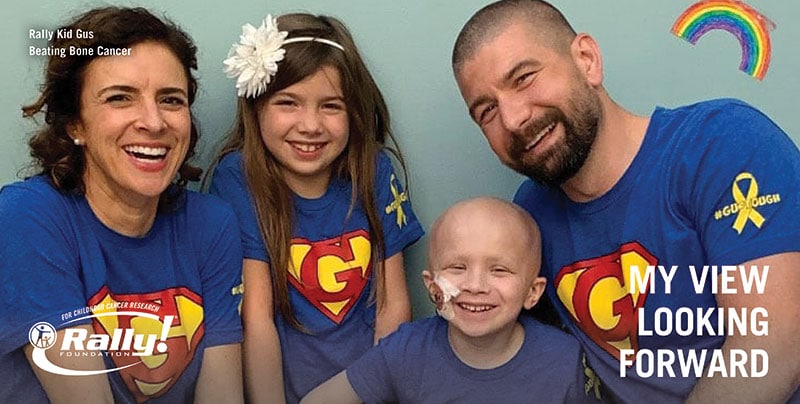
Before cancer, I was never a morning person, but now I love waking up in my home with the entire family under one roof. Most nights, I...
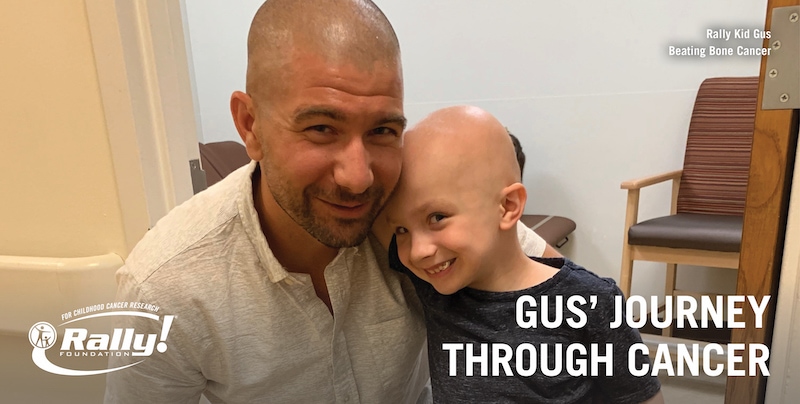
Gus, my 4-year-old son, was chasing me down the stairs on our way to the basement for our early morning workout. This particular morning,...
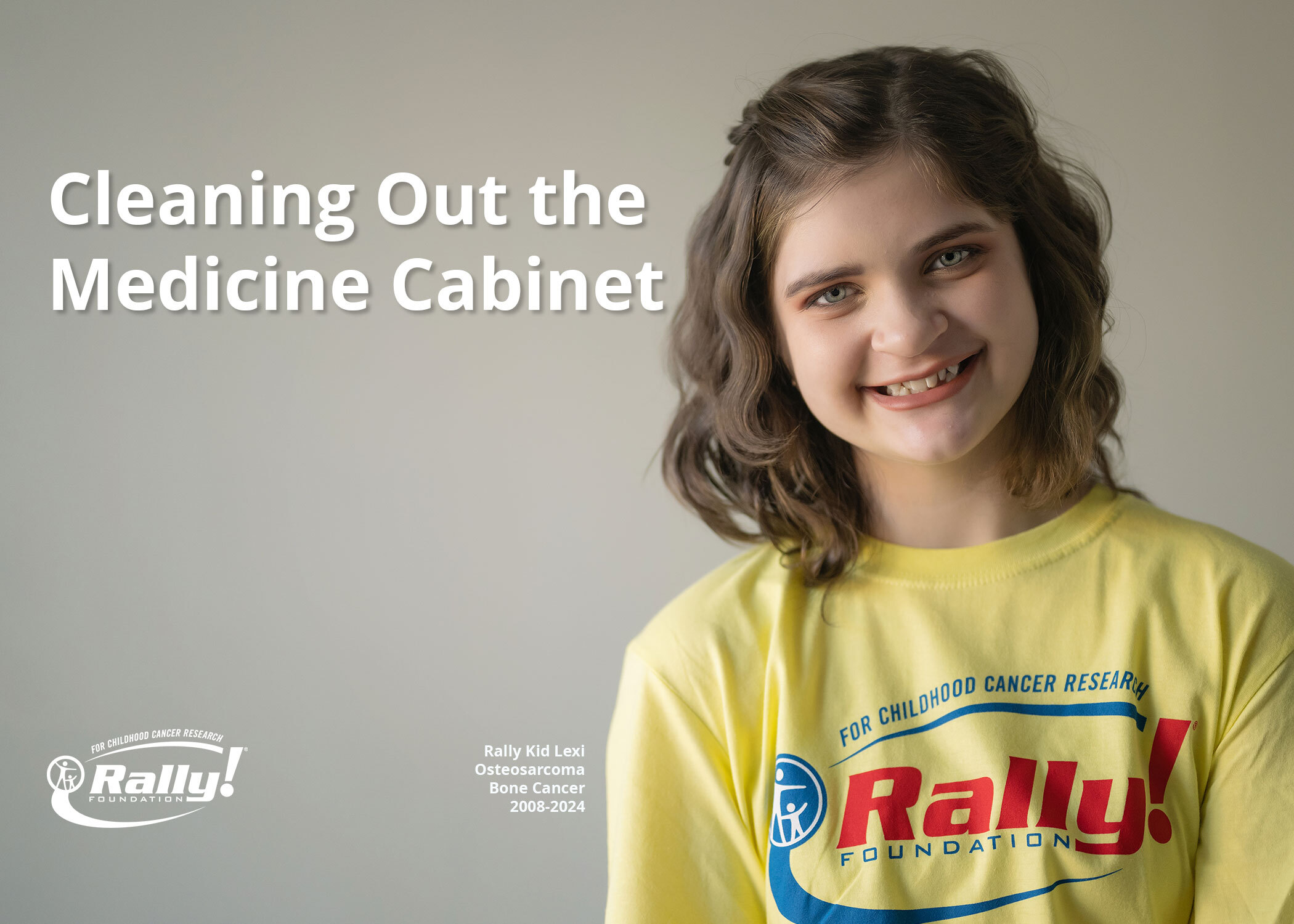
17 BOTTLES A few weeks ago, I cleaned out the medicine cabinet. That doesn’t sound super exciting, I know, but I threw away 17 bottles of...
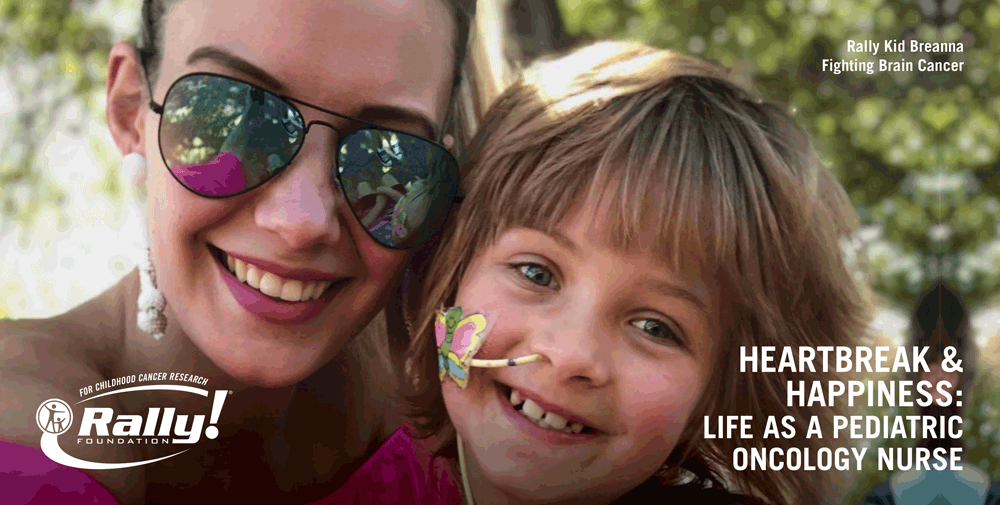
FINDING A HOME IN NURSING For as long as I can remember, I have wanted to work in pediatric oncology and help kids with cancer. When I...
A year ago Friday I looked at the Rally staff and said, “See you on Monday.” On Saturday, I spent the day doing research on COVID-19. By...
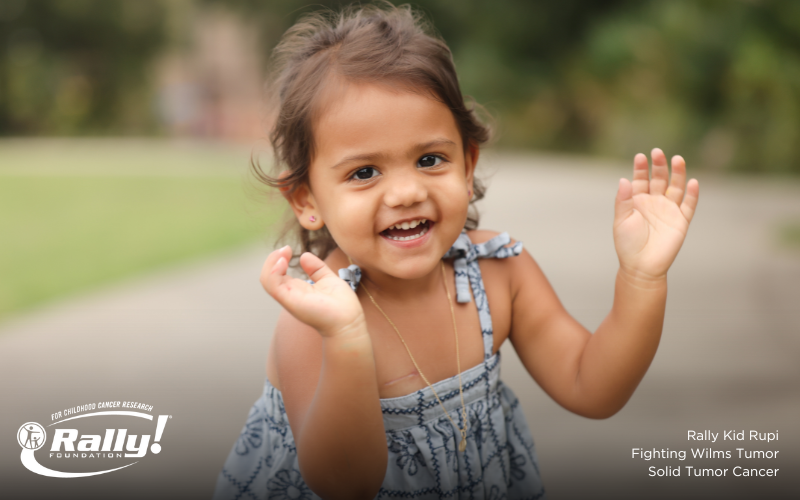
OSI Connect is a free, easy-to-use, invaluable resource for those diagnosed with osteosarcoma Osteosarcoma is a difficult and frightening diagnosis, but you are not alone. You can actually connect with leading sarcoma physician experts for a free consult. Yes, free. Yes, a consult not an email. An actual conversation. Founded by parents who have walked the road you are now on, OSI Connect is a resource they wish they would have had. Diagnosis and relapse are overwhelming. It is impossible to...
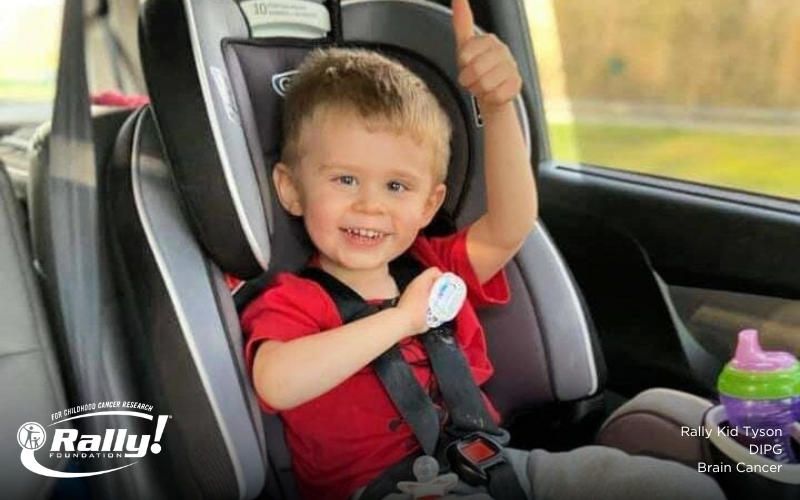
Rally Kid Tyson (Image Above), brain cancer (2016-2020)Tyson was just two and a half years old when he was diagnosed with DIPG You Are Not Alone In Your DIPG / DMG Battle Hearing that your child has cancer is devastating. Hearing that your child has cancer and that it is a DIPG / DMG brain tumor is unfathomable - because in the same sentence you learn there is no known cure for DIPG / DMG. Every time we hear that a kid has received this diagnosis, Rally’s heart breaks. However, for parents who...

On our diagnosis day, we were told that our four-year-old Gus had Ewing Sarcoma. What doctors didn’t know was the particular type or variant he had. Tumor Sequencing Tumor sequencing is vital, as some variants of Ewing’s sarcomas have poorer outcomes, require specific drugs, and prohibit the use of other drugs. The variant determines the treatment plan. Parents need to know the type of cancer their child is fighting- and if the hospital doesn’t know, parents should demand to have the tumor...
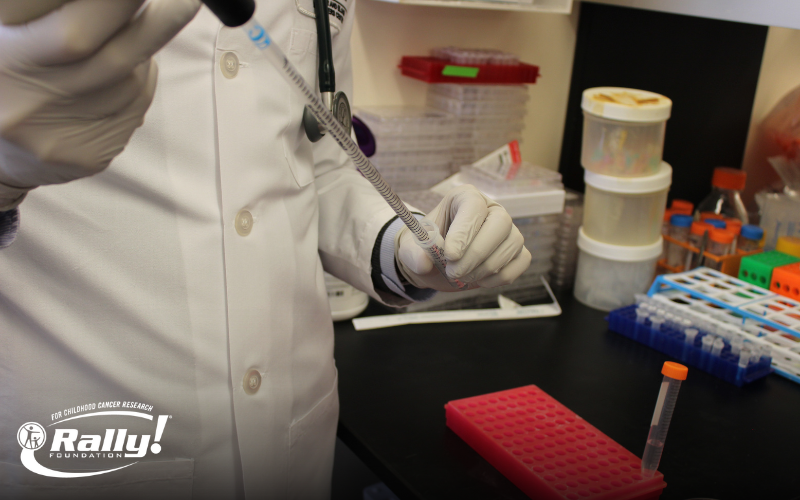
After being born and living in Turkey my whole life, I came to the US for college to study biological sciences at the University of Chicago. When the laboratory research internship I found for the summer of my first year was cancelled due to COVID-19, I joined a resume match program of my school’s Career Advancement Office, which matched students with employers based on experience and preferences. It was initially through this program that I matched with the Pediatric Cancer Data Commons...
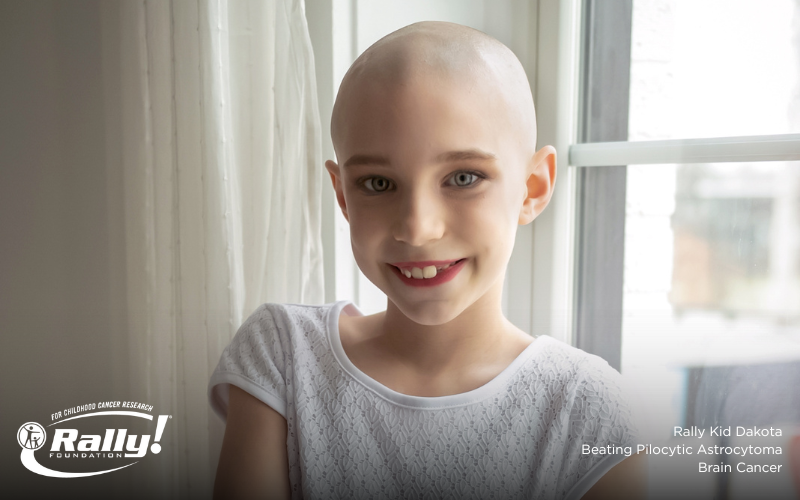
An astrocytoma is a brain tumor that begins in astrocytes—a type of glial cell that supports nerve cells in the brain. Astrocytomas can be benign or malignant and typically occur in the brainstem, cerebellum, cerebrum, hypothalamus or optic nerves. Tumors that start in glial cells are called gliomas and are named for the specific kind of glial cell in which they originate: astrocytes, oligodendrocytes or ependymocytes. Astrocytomas are the most common form of gliomas found in...
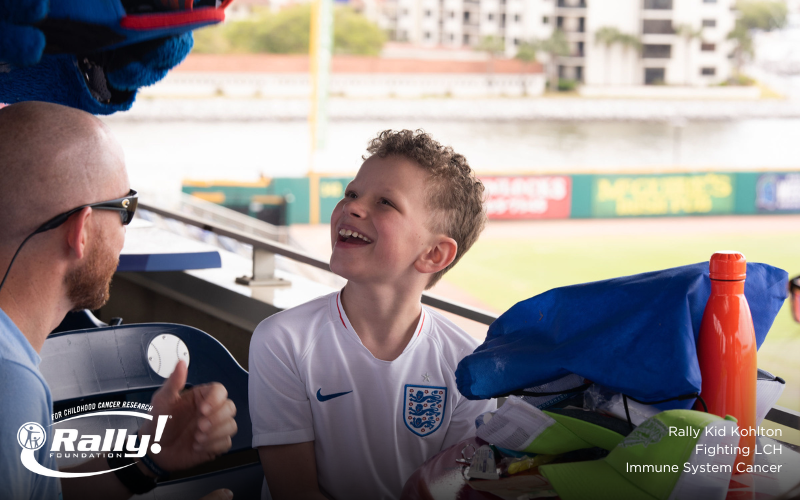
Langerhans cell histiocytosis (LCH) is a rare disorder in which the body produces an overabundance of Langerhans cells. These cells, which are also known as histiocytes, are a type of white blood cell that helps the immune system fight off infections. LCH causes too many of these cells to form, ultimately resulting in a buildup in the body. This accumulation of cells then damages organs, forms tumors, and otherwise disrupts normal tissue functions. According to the Histiocytosis Association,...