
What is Retinoblastoma?
In simple terms, retinoblastoma is an eye cancer that develops in the immature cells of the retina. Though it is rare—with approximately...

What is Wilms Tumor?
Wilms tumor is a type of kidney cancer that primarily develops in children around the ages of three and four. It’s the most common type of...

Cancer in Teens and Young Adults
Childhood cancer is a big problem. In the U.S. alone, 46 children are diagnosed with cancer every school day. But it doesn’t just affect...
What is Acute Myeloid Leukemia (AML)?
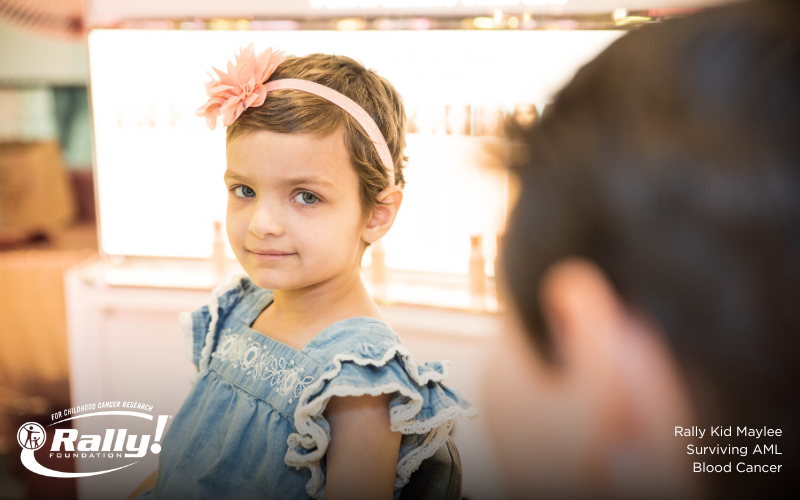
Acute myeloid leukemia (AML) is a blood cancer of the myeloid cells that normally form white blood cells, red blood cells or platelets....

Dean’s Letter – December 2025
Twenty years ago, Rally was birthed from a prayer circle in a driveway. William Olson, a junior in high school, was battling brain cancer...
A Message From Nora
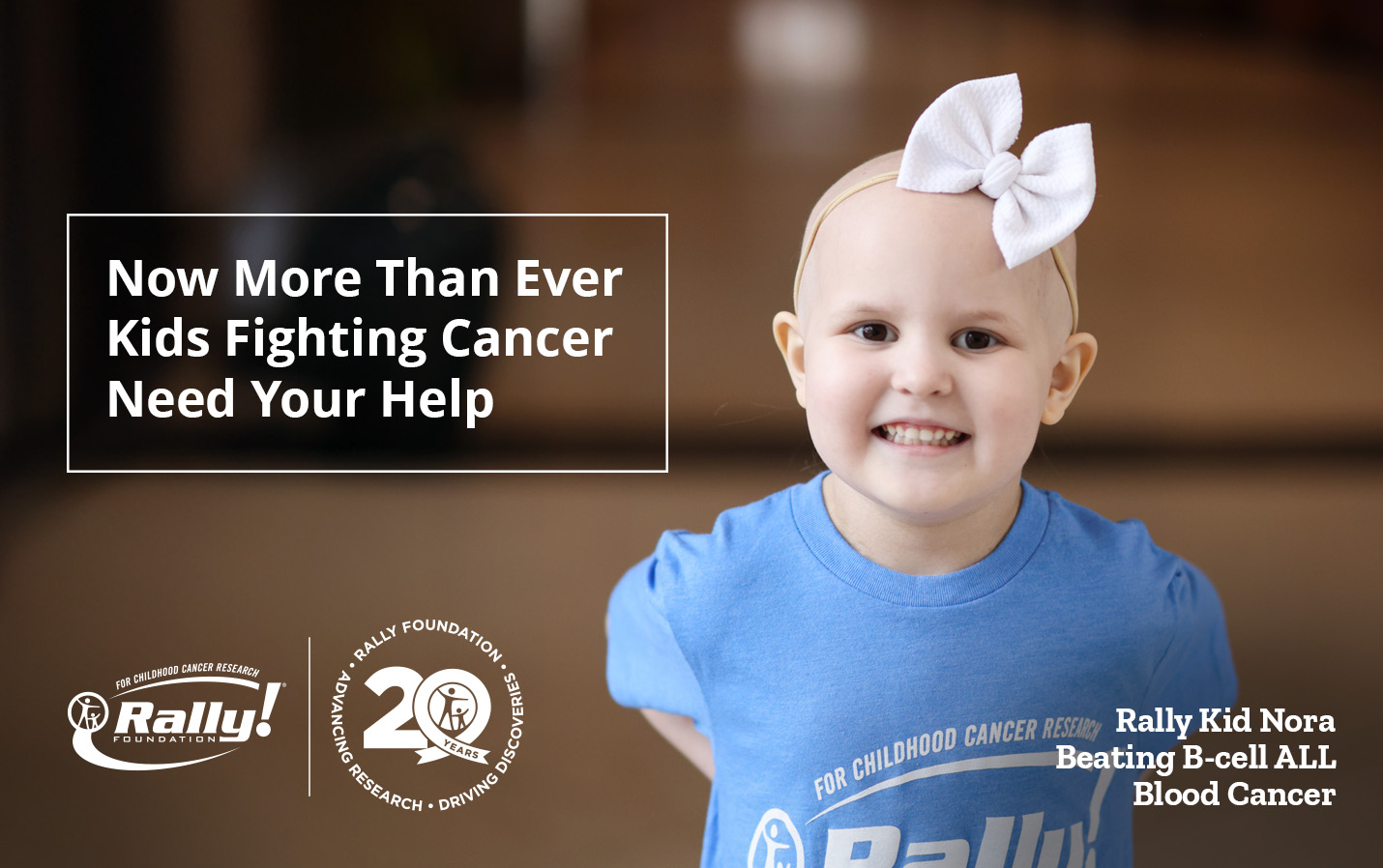
Hi! My name is Nora. I am 7 years old and I have a blood cancer called ALL — for a second time. The first time, I was 4 years old and I...
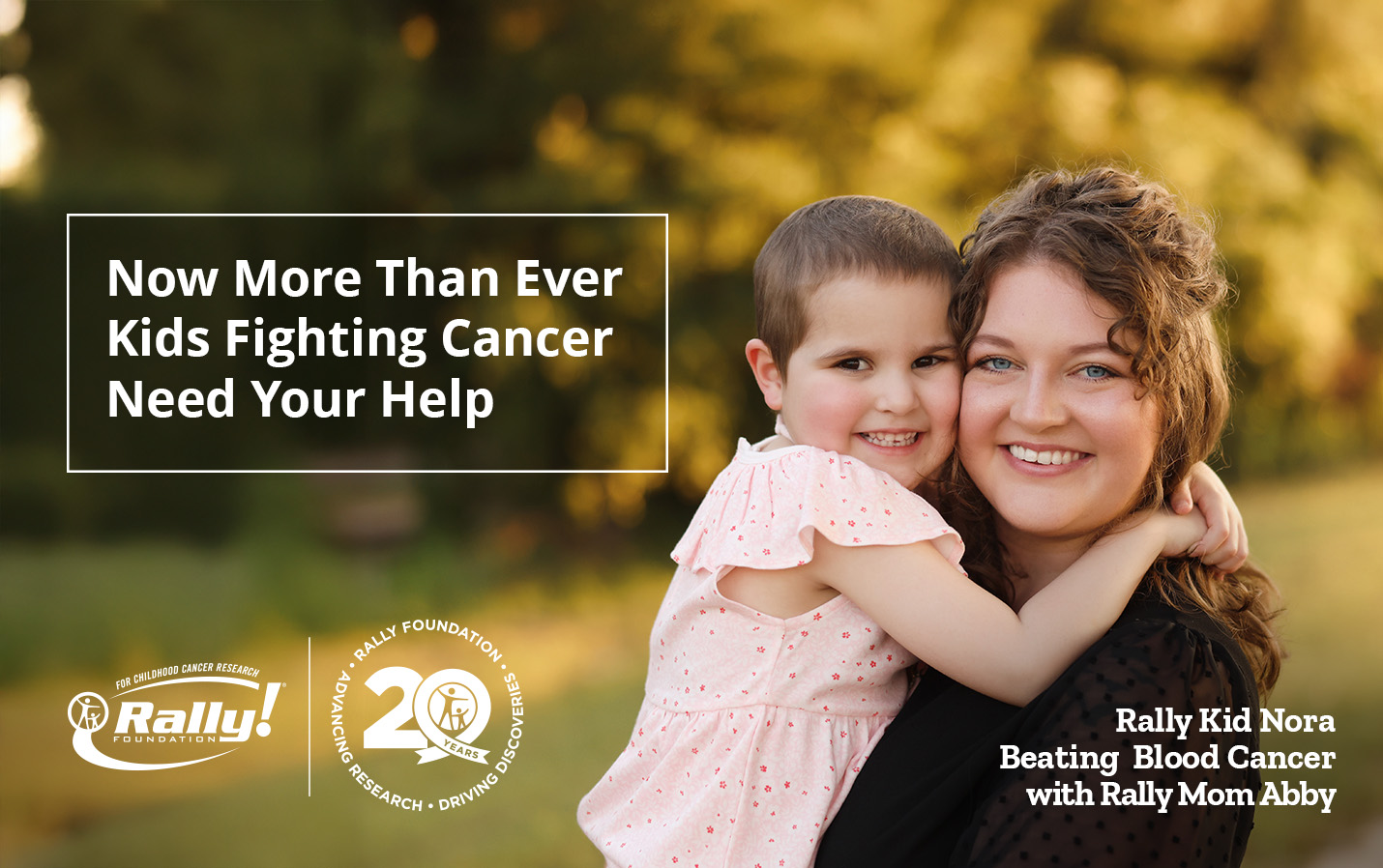
Rally Kid Nora: Fighting for Her Future — Again.
Dance, tumbling, playing outside and all things pink — these are the joys that light up Rally Kid Nora’s world. She loves to go to school...
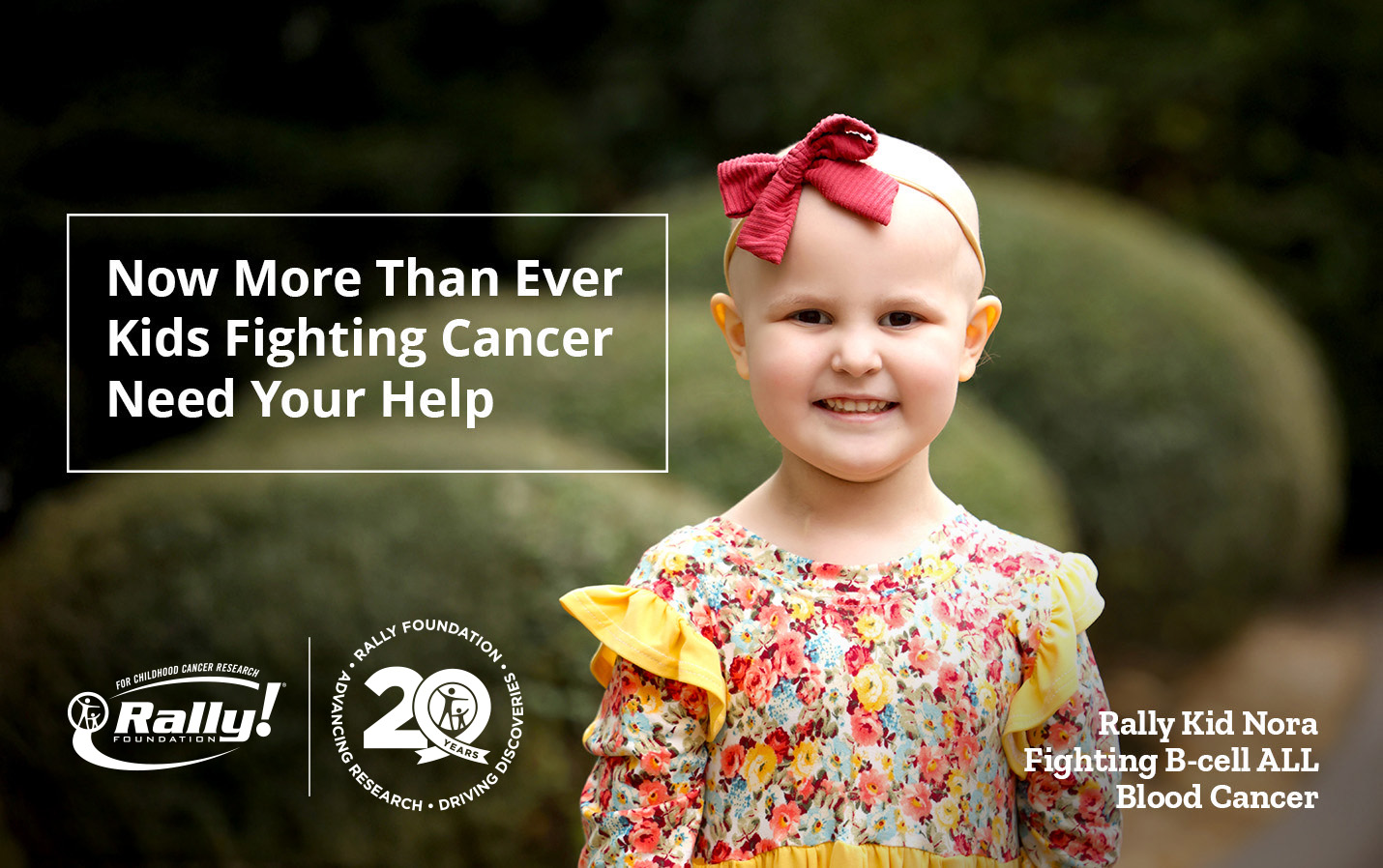
Nora’s Journey With Cancer: The Spirit of a Fighter
Like most 4-year-old girls, Nora was full of life — happy, energetic and always on the go. Nothing seemed out of the ordinary until her...

Childhood Cancer Awareness Month 2025
September is Childhood Cancer Awareness Month — and this year, Rally Foundation for Childhood Cancer Research is celebrating 20 years of...

What’s One Hour of Your Time Worth?
Some people think of volunteering as a nice gesture. But in the fight against childhood cancer, it’s a lifeline. Volunteers are the...
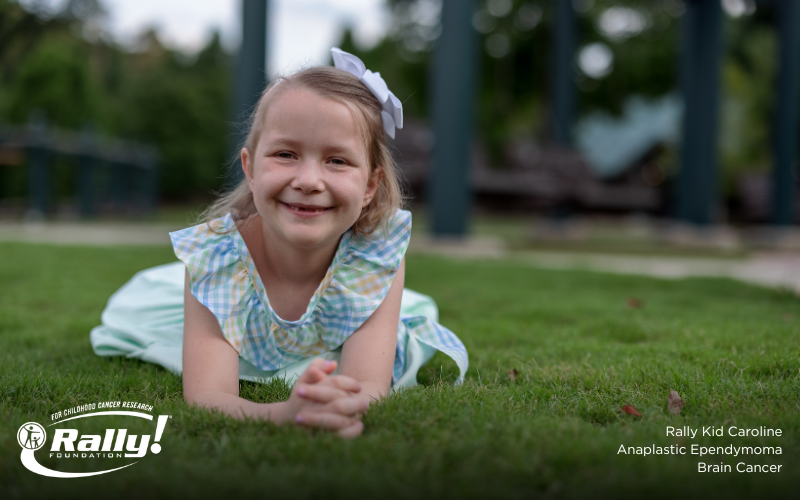
What is Ependymoma?
Ependymoma is a tumor that appears most often in the brain and sometimes in the spinal cord. It is a type of glioma, meaning it starts in the support cells of the brain. This cancer occurs more frequently in children—accounting for 5-10% of all pediatric brain tumors—but it can also affect adults. Common pediatric subtypes include classic ependymoma, a tumor that most commonly appears in the brain, and anaplastic ependymoma, which tends to spread and has a high chance of recurrence. Each type...

What Is a Postdoctoral and Clinical Research Fellow Grant?
Before we get to that, let’s first address the difference between a postdoctoral fellow and a clinical research fellow. It can definitely be confusing. A postdoctoral fellow, also called a postdoc, is someone who completed a Ph.D. program and is now conducting research under the guidance of a principal investigator (mentor) with the goal of one day having their own lab. A clinical research fellow is someone who graduated from medical school and completed their residency. The fellowship...

What is Lymphoma?
Lymphoma is a cancer of the body’s lymphatic (lymph) system which is essential to the immune system. The lymphatic system is made up of a type of white blood cells also known as lymphocytes which flow throughout the whole body. These lymphocytes fight infections throughout the body, so when cancerous cells begin to grow they can quickly spread through the entire lymph system. This then makes it difficult for the immune system to work properly. Early symptoms of lymphomas usually begin with a...

What Is the Link Between Down Syndrome and Childhood Cancer?
Let’s begin by explaining Down syndrome Down syndrome (DS) occurs in about one in every 700 births worldwide. There is a small change during early fetal development that leads to an extra copy of chromosome 21, which is why DS is also known as trisomy 21. People with DS have unique, recognizable physical characteristics and may experience some developmental delays, though these can vary widely from person to person. Children with Down syndrome have a unique relationship with cancer. That extra...
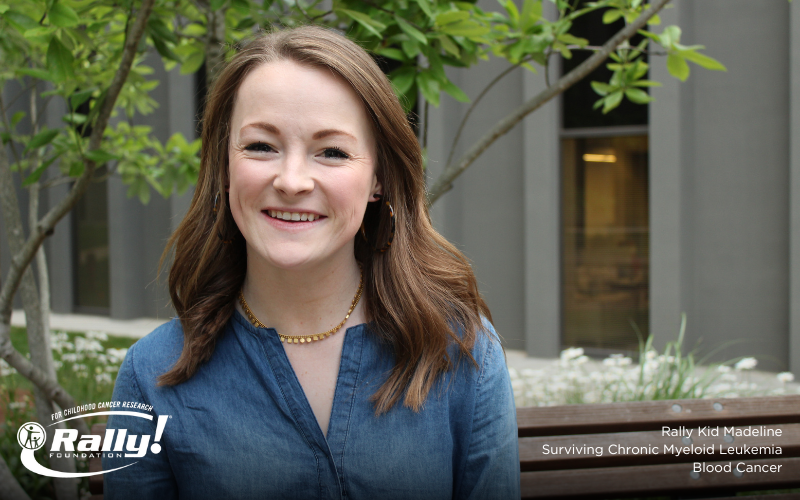
What is Chronic Myeloid Leukemia (CML)?
Chronic myeloid leukemia (CML) is a type of blood cancer that causes an overproduction of white blood cells. These cells grow abnormally and can build up in the blood and bone marrow, leaving less room for healthy white and red blood cells as well as platelets. CML is commonly associated with a genetic mutation called the Philadelphia chromosome. While CML is very rare in children, with about 150 pediatric cases in the U.S. each year, it’s often more aggressive in kids than it is in adults....
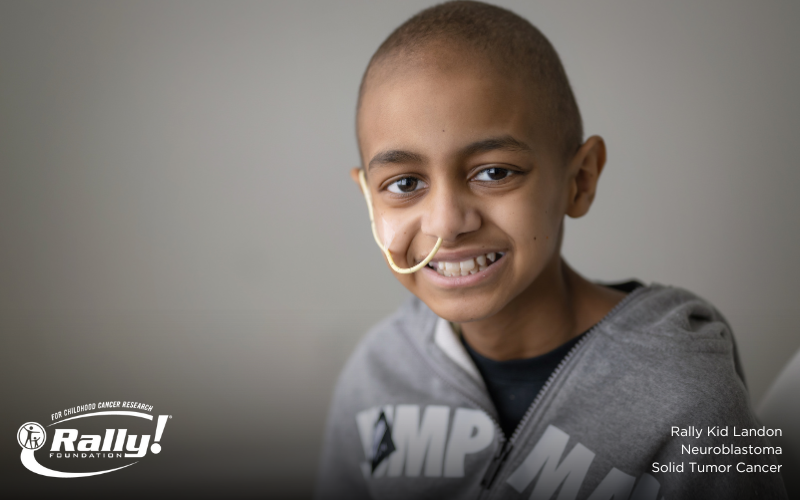
What is Neuroblastoma?
Neuroblastoma is a cancerous tumor that develops in the nervous system of babies and young children. It can also occur, rarely, in adolescents. A neuroblastoma tumor often affects immature nerve tissue called neuroblasts. The most common area for neuroblastoma to appear is in the adrenal glands, which sit above the kidneys. Adrenal glands produce hormones that control body functions such as digestion, blood pressure, breathing and heart rate. Neuroblastoma can also begin in other areas of the...