Career development awards are important. But why? Investigators in their first independent faculty appointment are at a critical career...

What Is a Rally Career Development Award?
read more
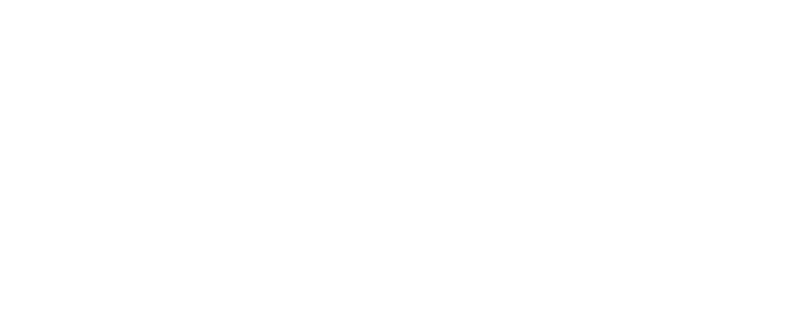

Career development awards are important. But why? Investigators in their first independent faculty appointment are at a critical career...

What exactly is a consortium? Let us explain. Rally Foundation for Childhood Cancer Research (Rally) defines a consortium as three or more...

On our diagnosis day, we were told that our four-year-old Gus had Ewing Sarcoma. What doctors didn’t know was the particular type or...
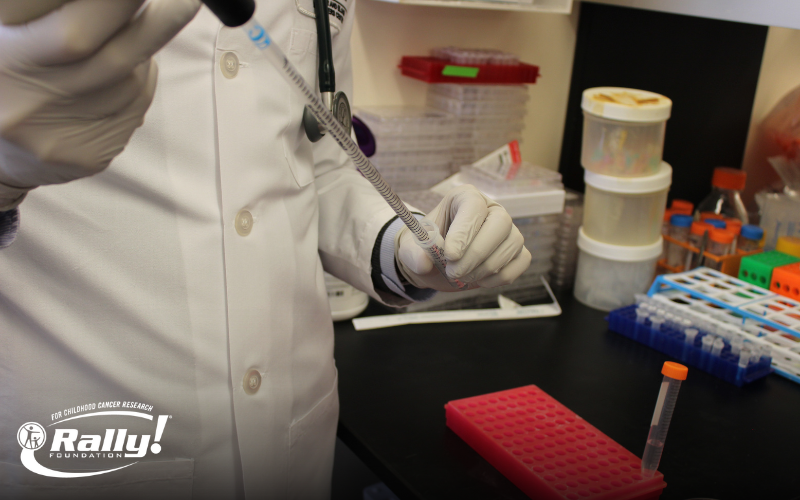
After being born and living in Turkey my whole life, I came to the US for college to study biological sciences at the University of...
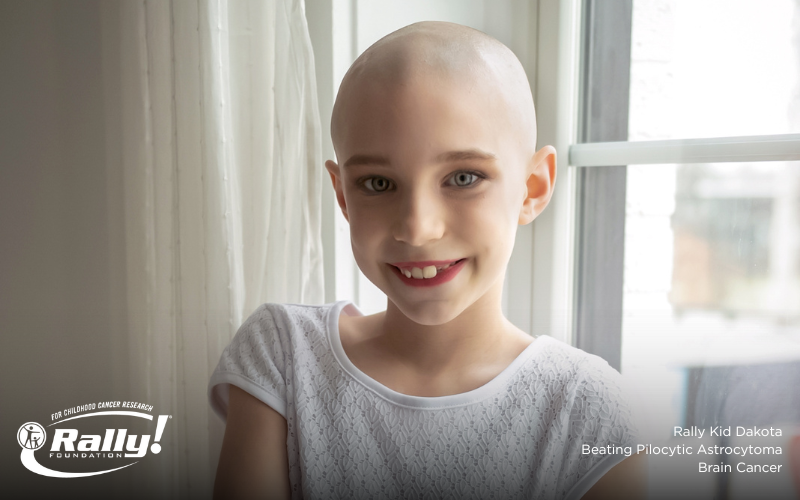
An astrocytoma is a brain tumor that begins in astrocytes—a type of glial cell that supports nerve cells in the brain. Astrocytomas can be...

Langerhans cell histiocytosis (LCH) is a rare disorder in which the body produces an overabundance of Langerhans cells. These cells, which...
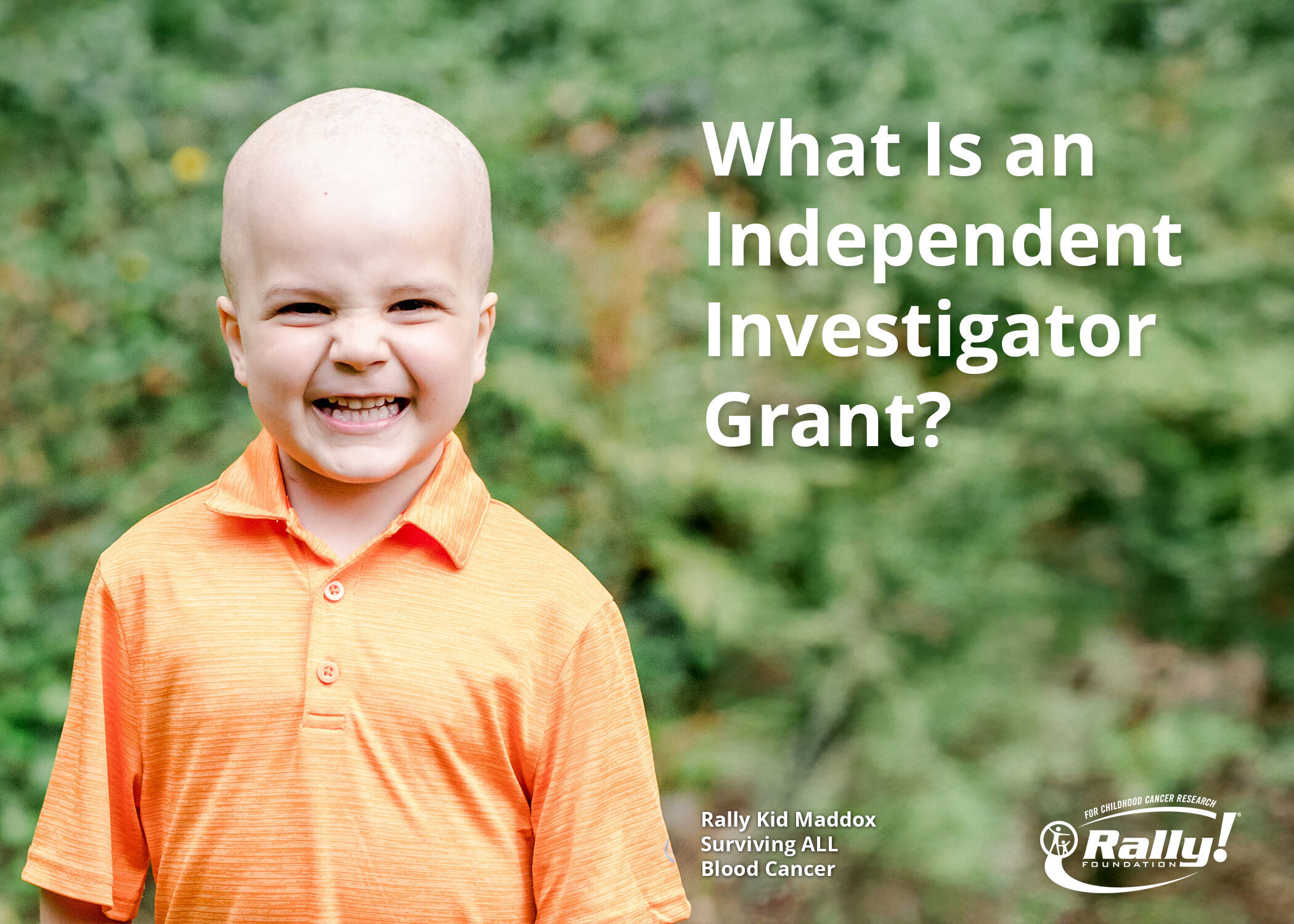
Independent Investigator Grants are awarded to principal investigators. Let’s begin by explaining the role of a principal investigator....
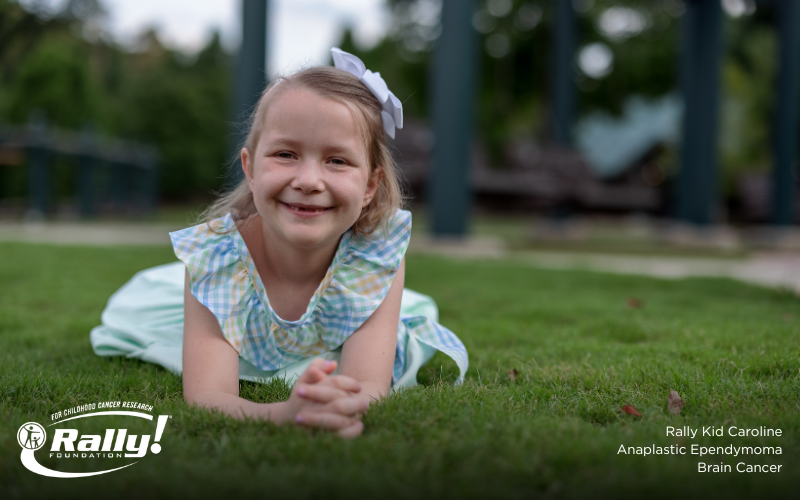
Ependymoma is a tumor that appears most often in the brain and sometimes in the spinal cord. It is a type of glioma, meaning it starts in...
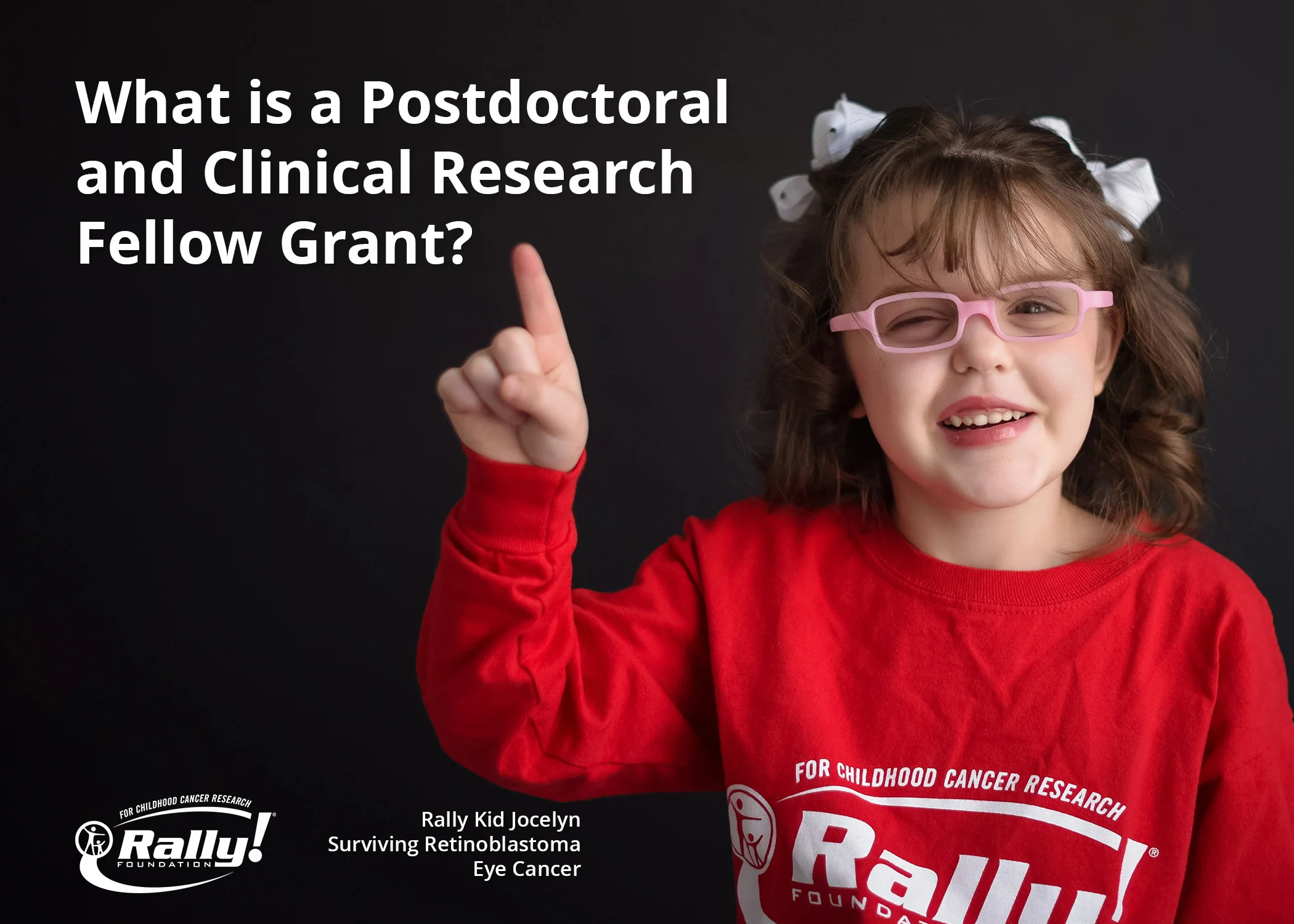
Before we get to that, let’s first address the difference between a postdoctoral fellow and a clinical research fellow. It can definitely...

Lymphoma is a cancer of the body’s lymphatic (lymph) system which is essential to the immune system. The lymphatic system is made up of a...
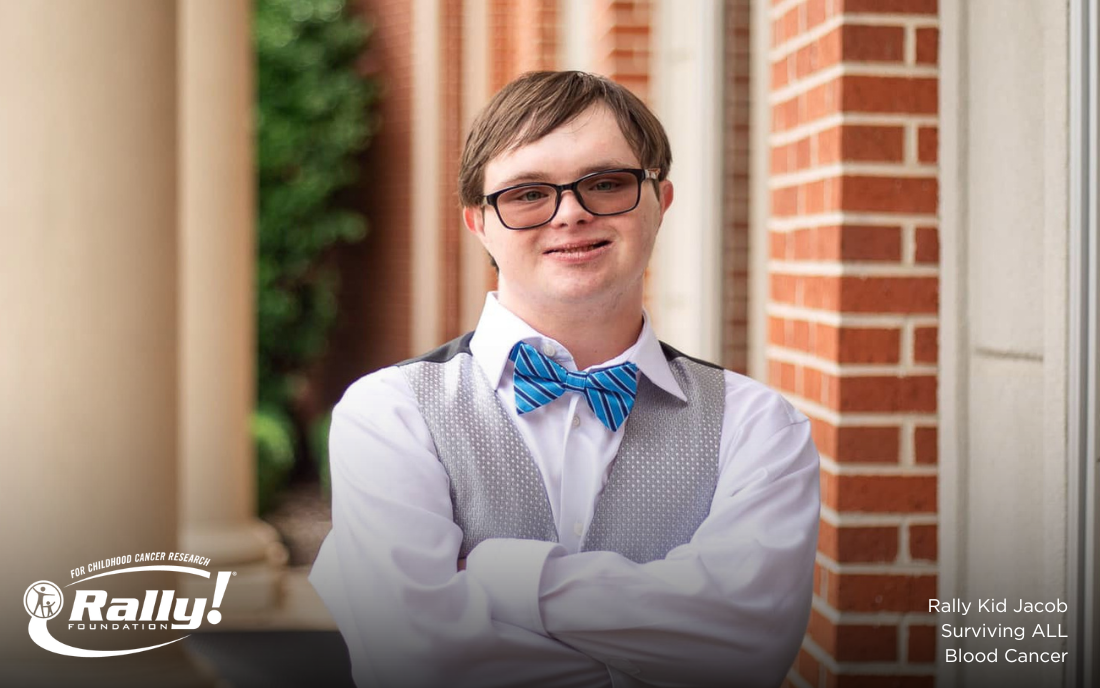
Let’s begin by explaining Down syndrome Down syndrome (DS) occurs in about one in every 700 births worldwide. There is a small change...

Navigating a childhood cancer diagnosis is difficult on multiple levels including trying to understand how and if your child qualifies for...
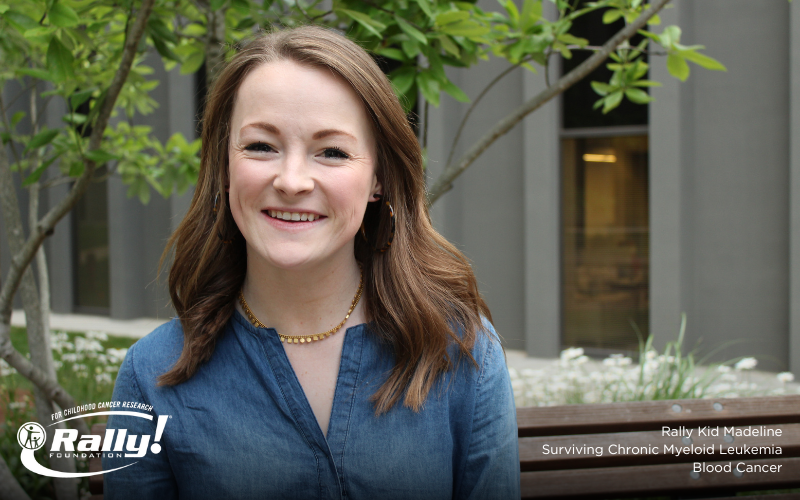
Chronic myeloid leukemia (CML) is a type of blood cancer that causes an overproduction of white blood cells. These cells grow abnormally...
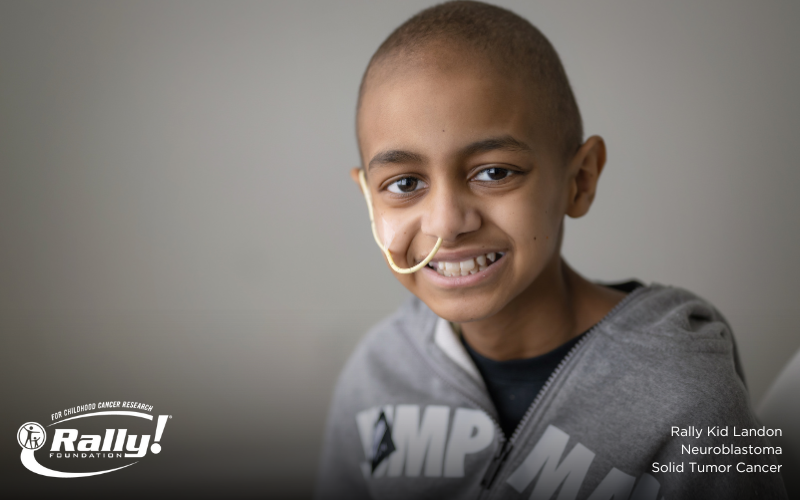
Neuroblastoma is a cancerous tumor that develops in the nervous system of babies and young children. It can also occur, rarely, in...

Atypical Teratoid/Rhabdoid Tumor (AT/RT) is a rare and fast-growing tumor that typically originates in the brain and spinal cord. These...
Career development awards are important. But why? Investigators in their first independent faculty appointment are at a critical career stage where they must establish themselves through research, publications and grant funding. It is important to support the development of independent research by these individuals to move them from mentorship to independence. Career development awards provide the opportunity for investigators to develop independent research by funding a significant portion of...
What exactly is a consortium? Let us explain. Rally Foundation for Childhood Cancer Research (Rally) defines a consortium as three or more institutions (i.e., university, hospital) collaborating on a grant-supported research project. A principal investigator from the lead institution applies with the support of at least two other collaborating institutions. The success of the project depends on the unique contributions of each collaborating institution. RESEARCH GRANTS Rally helps fund the...
On our diagnosis day, we were told that our four-year-old Gus had Ewing Sarcoma. What doctors didn’t know was the particular type or variant he had. Tumor Sequencing Tumor sequencing is vital, as some variants of Ewing’s sarcomas have poorer outcomes, require specific drugs, and prohibit the use of other drugs. The variant determines the treatment plan. Parents need to know the type of cancer their child is fighting- and if the hospital doesn’t know, parents should demand to have the tumor...
After being born and living in Turkey my whole life, I came to the US for college to study biological sciences at the University of Chicago. When the laboratory research internship I found for the summer of my first year was cancelled due to COVID-19, I joined a resume match program of my school’s Career Advancement Office, which matched students with employers based on experience and preferences. It was initially through this program that I matched with the Pediatric Cancer Data Commons...
An astrocytoma is a brain tumor that begins in astrocytes—a type of glial cell that supports nerve cells in the brain. Astrocytomas can be benign or malignant and typically occur in the brainstem, cerebellum, cerebrum, hypothalamus or optic nerves. Tumors that start in glial cells are called gliomas and are named for the specific kind of glial cell in which they originate: astrocytes, oligodendrocytes or ependymocytes. Astrocytomas are the most common form of gliomas found in...
Langerhans cell histiocytosis (LCH) is a rare disorder in which the body produces an overabundance of Langerhans cells. These cells, which are also known as histiocytes, are a type of white blood cell that helps the immune system fight off infections. LCH causes too many of these cells to form, ultimately resulting in a buildup in the body. This accumulation of cells then damages organs, forms tumors, and otherwise disrupts normal tissue functions. According to the Histiocytosis Association,...