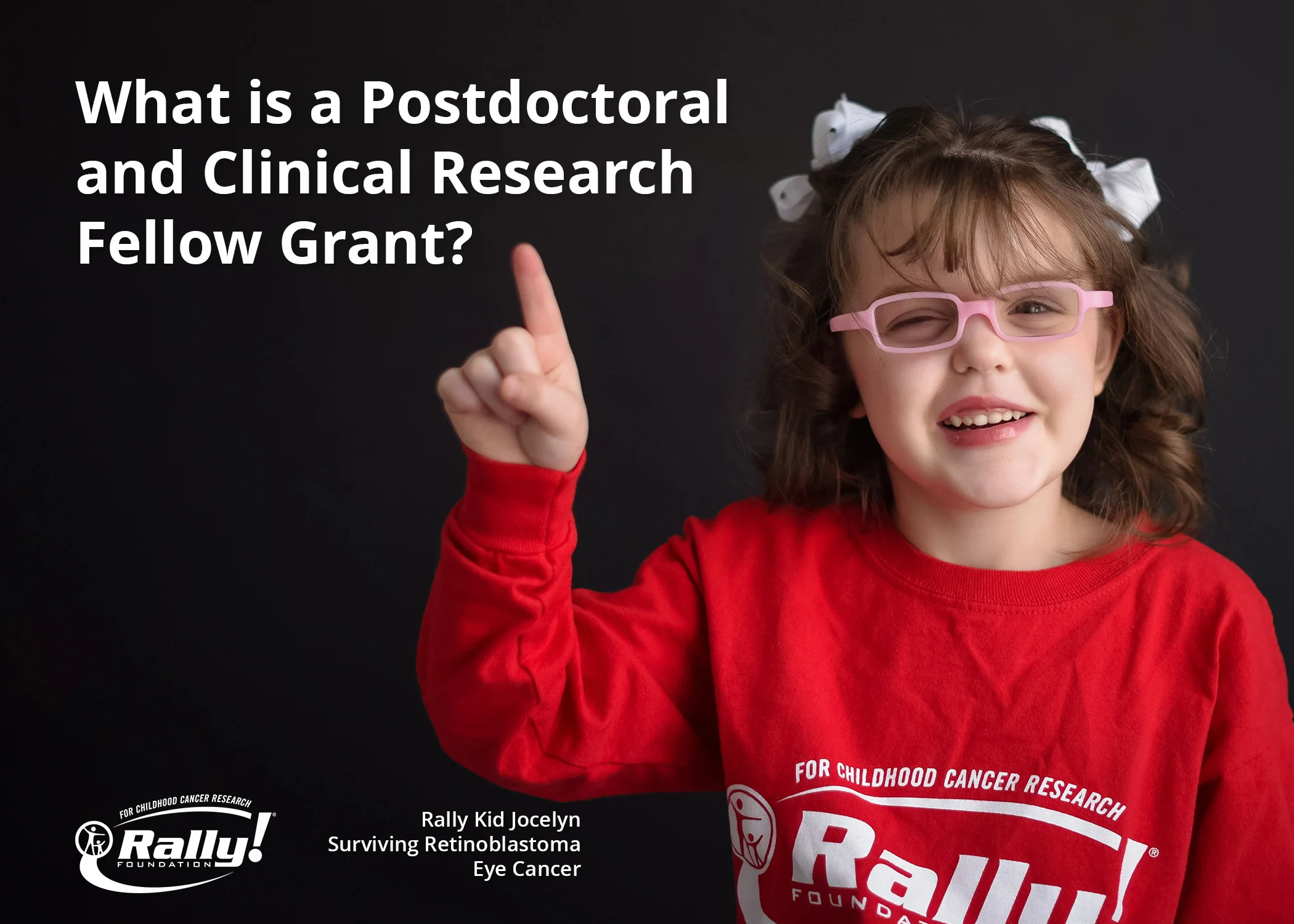
What Is a Postdoctoral and Clinical Research Fellow Grant?
Before we get to that, let’s first address the difference between a postdoctoral fellow and a clinical research fellow. It can definitely...
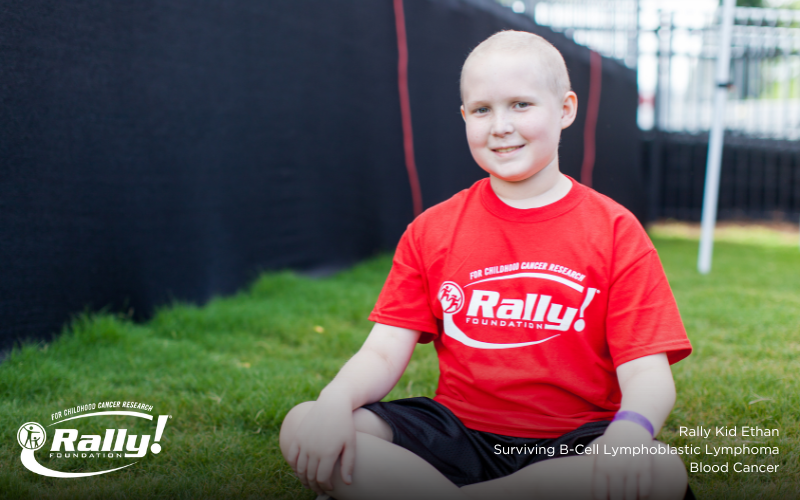
What is Lymphoma?
Lymphoma is a cancer of the body’s lymphatic (lymph) system which is essential to the immune system. The lymphatic system is made up of a...
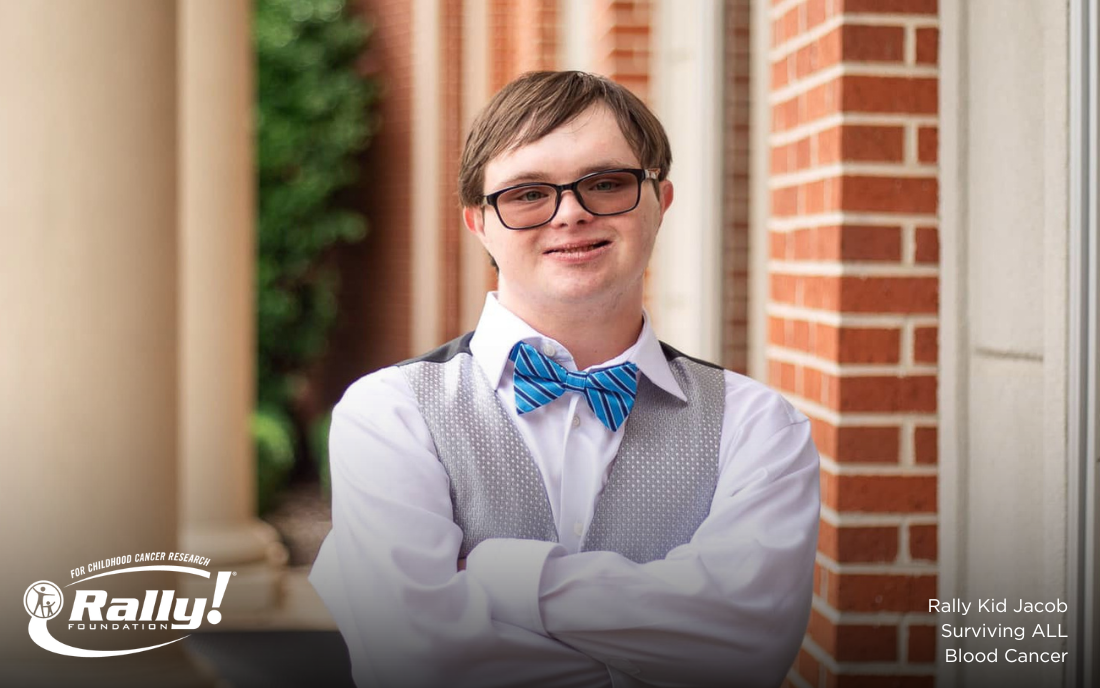
What Is the Link Between Down Syndrome and Childhood Cancer?
Let’s begin by explaining Down syndrome Down syndrome (DS) occurs in about one in every 700 births worldwide. There is a small change...
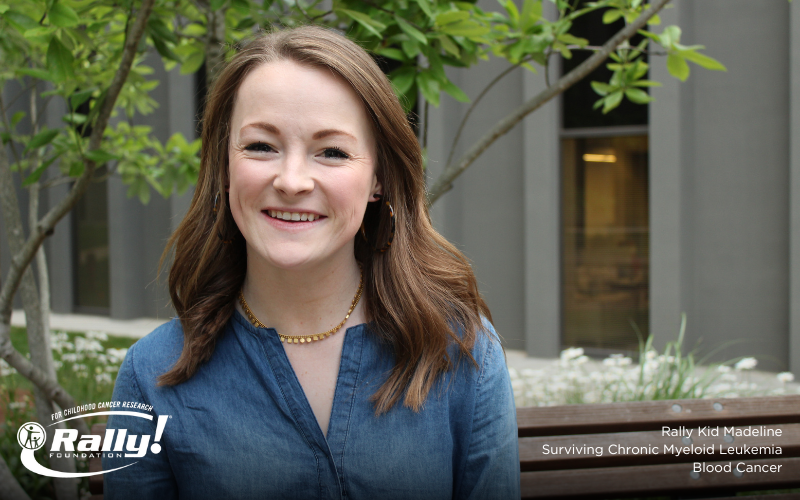
What is Chronic Myeloid Leukemia (CML)?
Chronic myeloid leukemia (CML) is a type of blood cancer that causes an overproduction of white blood cells. These cells grow abnormally...
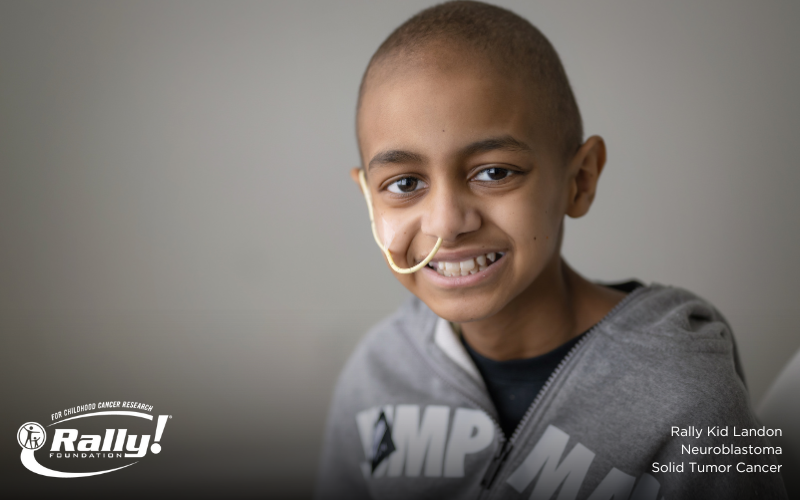
What is Neuroblastoma?
Neuroblastoma is a cancerous tumor that develops in the nervous system of babies and young children. It can also occur, rarely, in...
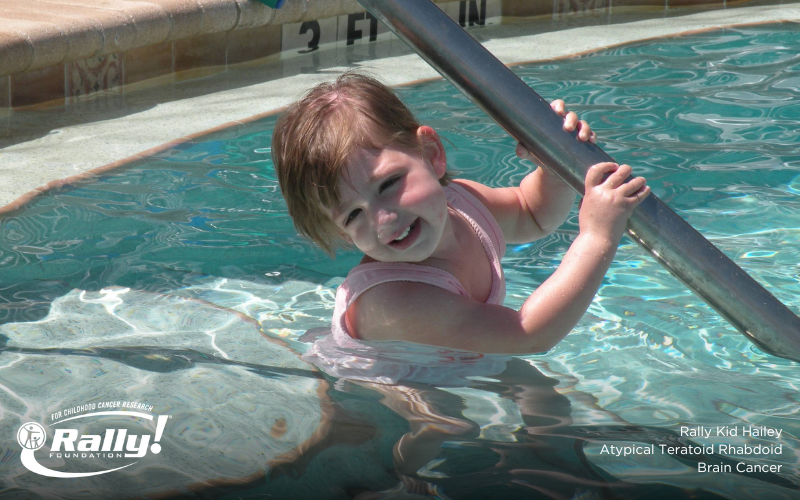
What is Atypical Teratoid/Rhabdoid Tumor (AT/RT)?
Atypical Teratoid/Rhabdoid Tumor (AT/RT) is a rare and fast-growing tumor that typically originates in the brain and spinal cord. These...

A Letter To Rally Kid Alexa
Dear sweet Alexa, Yesterday’s passage of the funding bill in the Senate (yes, it’s now 2026!) was a win inspired by you so many years ago....
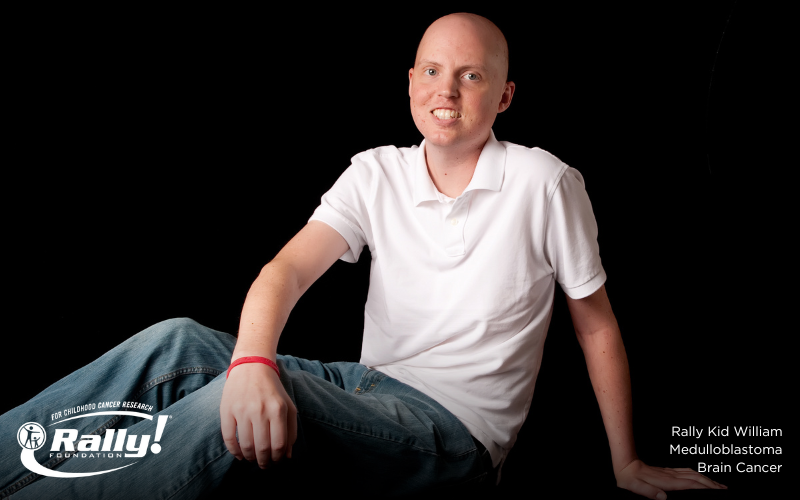
What is Medulloblastoma?
Medulloblastoma is a type of brain cancer that’s most commonly found in children. “Medulloblastoma starts in the cerebellum, which is...
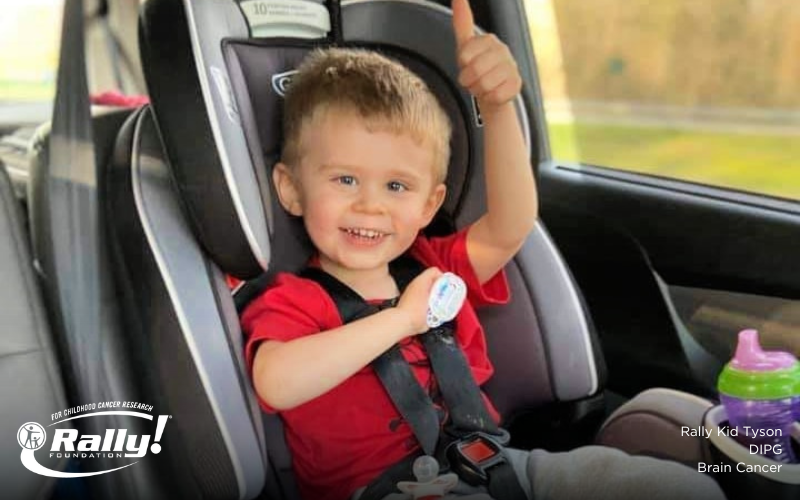
What is Diffuse Intrinsic Pontine Glioma (DIPG)?
Diffuse intrinsic pontine glioma (DIPG) is a brain tumor found in a part of the brain stem—above the back of the neck and connected to the...
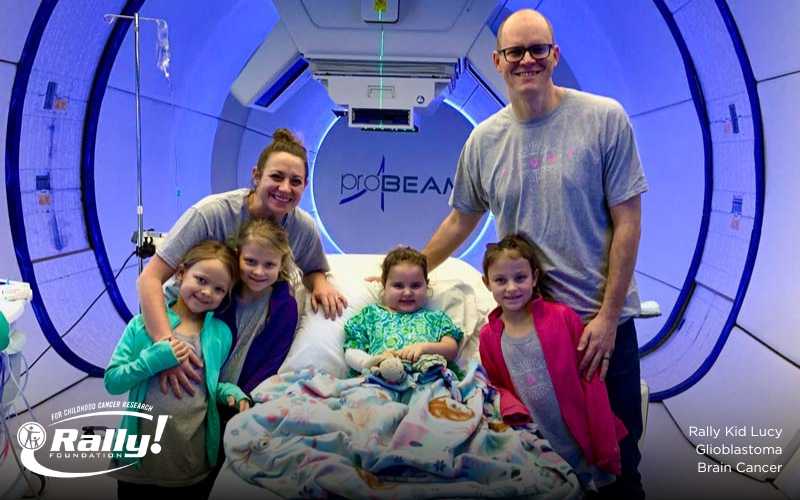
What is a Glioma?
“Glioma” is a general term for a group of tumors that begin in glial cells—the supporting cells of the brain. Gliomas are classified based...
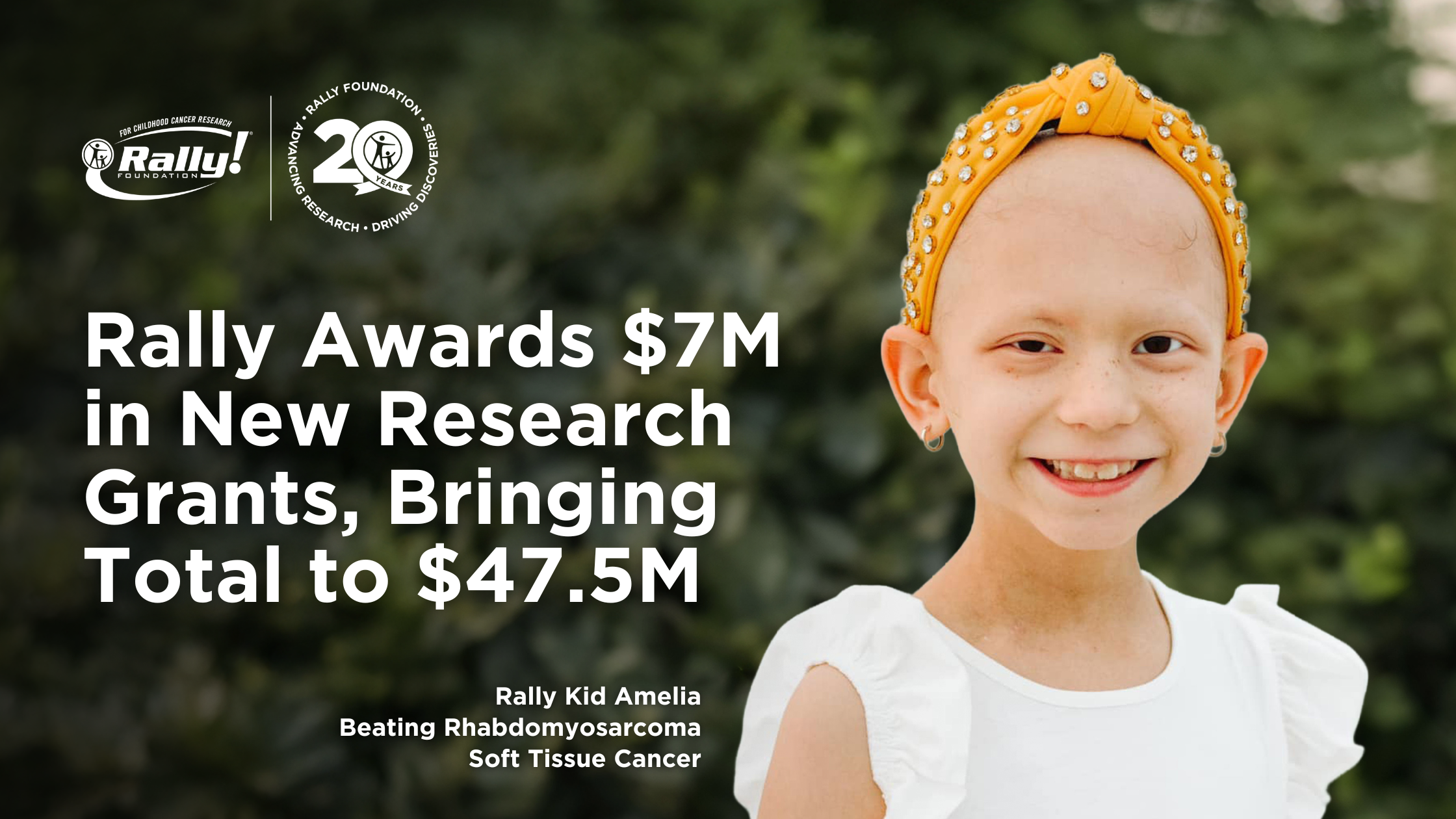
Rally Foundation Awards a Record $7M in Grants to 94 Childhood Cancer Researchers
In 2026, Rally Foundation for Childhood Cancer Research is thrilled to award a total of $7 million in childhood cancer research grants to 94 researchers across 48 institutions worldwide. This is the foundation’s largest award value to be distributed since its founding in 2005, bringing the total awarded to $47.5 million. Rally Foundation proudly funds the best and the brightest researchers, seeking the most innovative and promising research. This year’s awards include 84 grants given to 18...
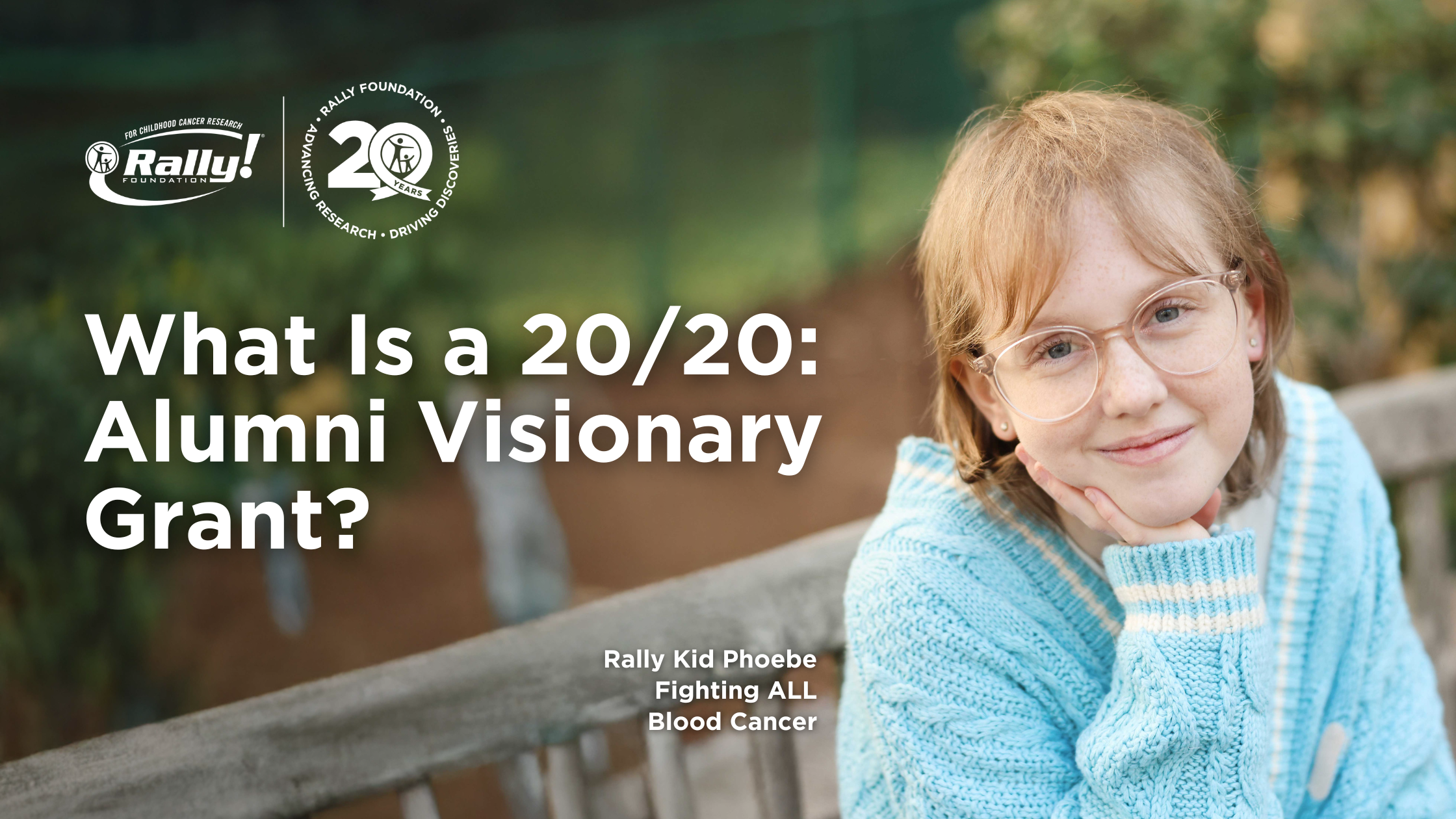
What Is Rally’s 20/20: Alumni Visionary Grant?
Honoring 20 years of innovative ideas and the visionaries behind them. For 20 years, Rally Foundation for Childhood Cancer Research has proudly supported groundbreaking ideas, empowered early career investigators and accelerated the path from bench to bedside. To recognize 20 years as philanthropic seed investors in the next great discovery, Rally Foundation launched our 20/20: Alumni Visionary Grant. This one-time, competitive grant program honors our past by reinvesting in the exceptional...
What is an MRI?
MRI stands for Magnetic Resonance Imaging. Having an MRI does not hurt, and it is safe – no radioactivity is present. It may take up to one hour, or, if your child needs an anesthetic, most of the day. An MRI scan provides diagnostic information not available when using plain X-rays, ultrasounds, or CT scans. Using a large magnet, radio waves and a computer, an MRI scanner creates very clear and detailed images of organs and tissues in the body. During the MRI, your child will need to lie very...
What is a CT Scan?
A CT (or CAT) scan is a diagnostic medical imaging procedure that creates three-dimensional images of internal organs, soft tissues, blood vessels and bones. CT stands for Computed Tomography. It provides a more detailed image than a traditional X-ray. Most CT scans take a few seconds, while some may take more than 10 minutes. The CT scanner looks like a giant donut with a sliding bed inside, and your child needs to lie very still during the procedure. It’s important to wear comfortable,...
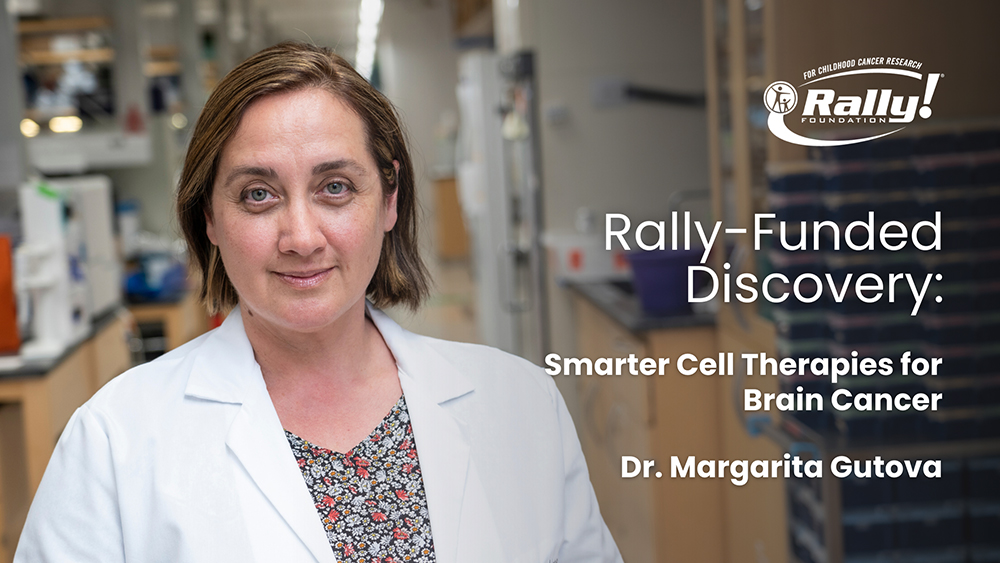
Rally-Funded Discovery: Smarter Cell Therapies For Brain Cancer
When kids are diagnosed with brain cancer, the treatments can be really tough. That’s why scientists are looking for new ways to help the body fight cancer. One of those scientists is Margarita Gutova, Ph.D., at City of Hope. Thanks to early support from the Rally Foundation for Childhood Cancer Research, Dr. Gutova was able to ask bold questions and explore new ideas. Fighting Cancer With the Body’s Own Cells Dr. Gutova studies advanced treatments like CAR T-cell therapy and stem cell...
What is a Blood Transfusion?
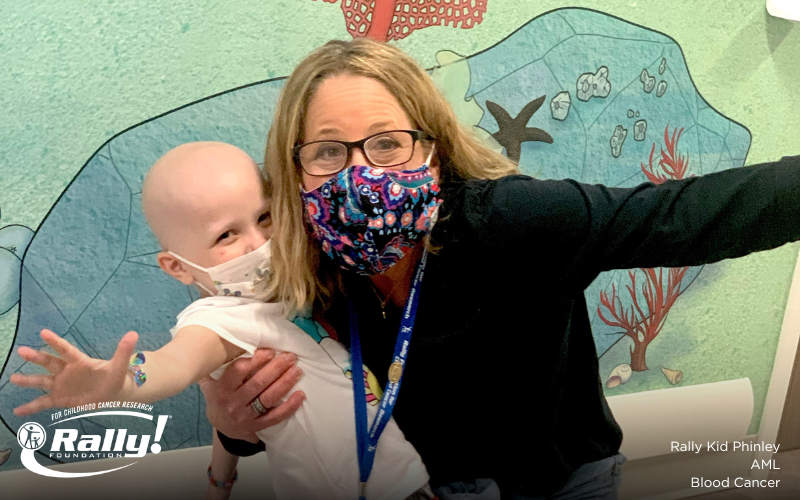
A blood transfusion is a routine medical procedure to transfer blood (or a specific component of blood) from one person to another. Blood has several components, including: Red cells that carry oxygen and help remove waste products; White cellsthat help your body fight infections; Plasmais the liquid part of blood; and Plateletshelp blood clot properly. Blood transfusions can save lives. They are a treatment for certain diseases, including blood cancers. Receiving a platelet transfusion is...