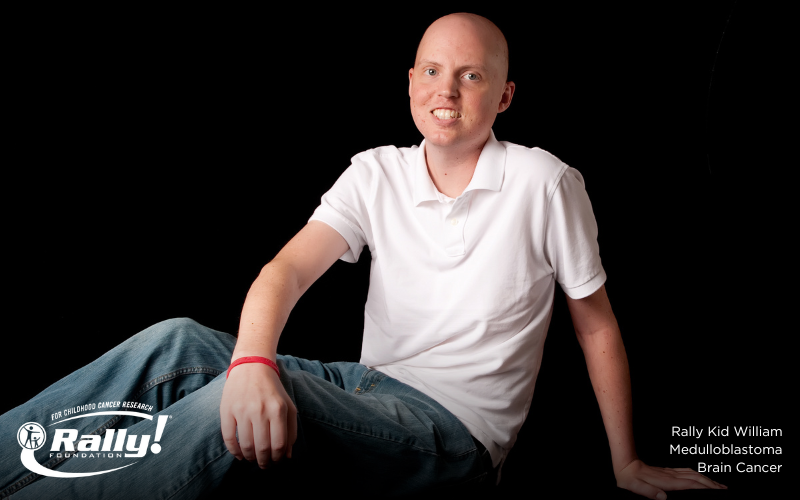
What is Medulloblastoma?
Medulloblastoma is a type of brain cancer that’s most commonly found in children. “Medulloblastoma starts in the cerebellum, which is...

What is Diffuse Intrinsic Pontine Glioma (DIPG)?
Diffuse intrinsic pontine glioma (DIPG) is a brain tumor found in a part of the brain stem—above the back of the neck and connected to the...
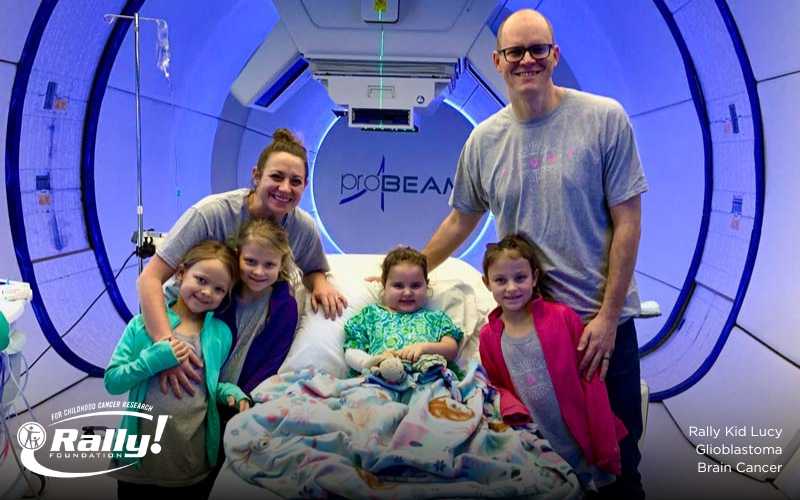
What is a Glioma?
“Glioma” is a general term for a group of tumors that begin in glial cells—the supporting cells of the brain. Gliomas are classified based...

What is Acute Lymphoblastic Leukemia (ALL)?
Acute lymphoblastic leukemia, also called acute lymphocytic leukemia, or ALL for short, is a type of blood cancer that causes bone marrow...

What is Retinoblastoma?
In simple terms, retinoblastoma is an eye cancer that develops in the immature cells of the retina. Though it is rare—with approximately...

What is Wilms Tumor?
Wilms tumor is a type of kidney cancer that primarily develops in children around the ages of three and four. It’s the most common type of...

Cancer in Teens and Young Adults
Childhood cancer is a big problem. In the U.S. alone, 46 children are diagnosed with cancer every school day. But it doesn’t just affect...

What is Acute Myeloid Leukemia (AML)?
Acute myeloid leukemia (AML) is a blood cancer of the myeloid cells that normally form white blood cells, red blood cells or platelets....

Dean’s Letter – December 2025
Twenty years ago, Rally was birthed from a prayer circle in a driveway. William Olson, a junior in high school, was battling brain cancer...
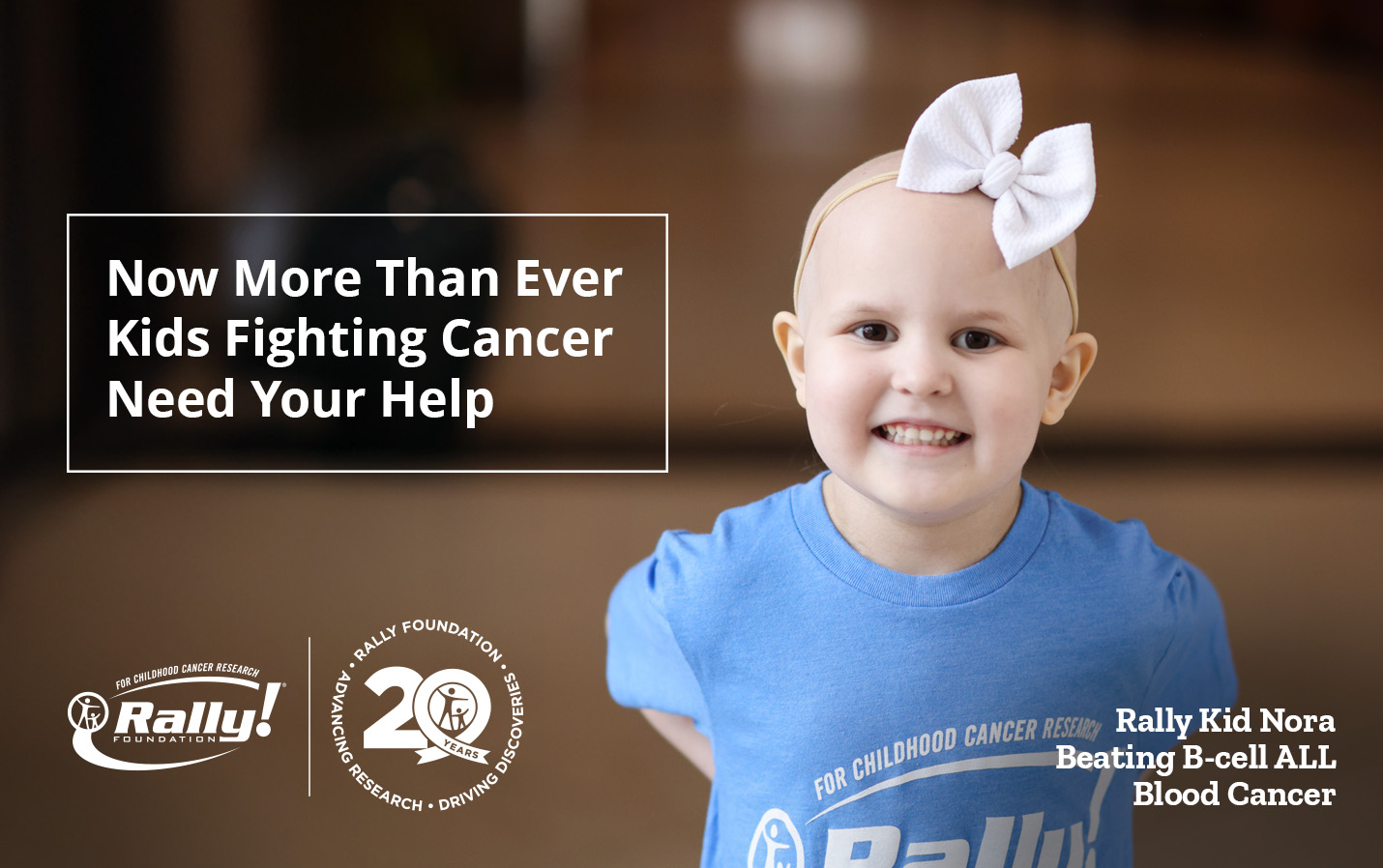
A Message From Nora
Hi! My name is Nora. I am 7 years old and I have a blood cancer called ALL — for a second time. The first time, I was 4 years old and I...

What Is a Consortium Grant?
What exactly is a consortium? Let us explain. Rally Foundation for Childhood Cancer Research (Rally) defines a consortium as three or more institutions (i.e., university, hospital) collaborating on a grant-supported research project. A principal investigator from the lead institution applies with the support of at least two other collaborating institutions. The success of the project depends on the unique contributions of each collaborating institution. RESEARCH GRANTS Rally helps fund the...
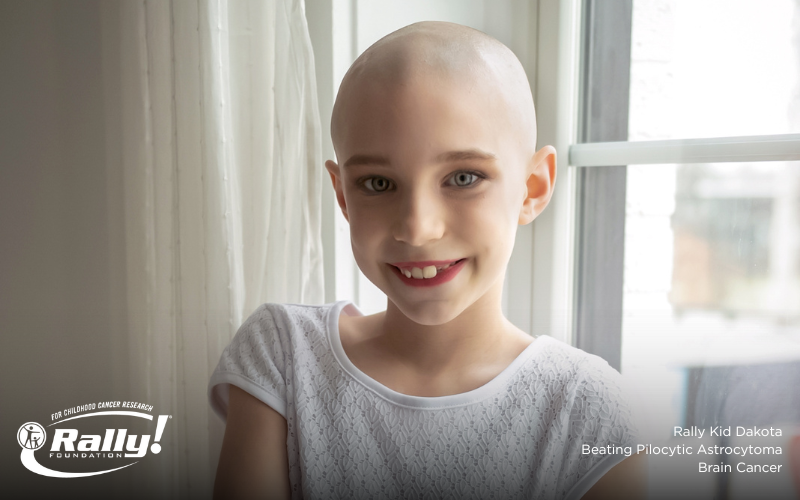
What is an Astrocytoma?
An astrocytoma is a brain tumor that begins in astrocytes—a type of glial cell that supports nerve cells in the brain. Astrocytomas can be benign or malignant and typically occur in the brainstem, cerebellum, cerebrum, hypothalamus or optic nerves. Tumors that start in glial cells are called gliomas and are named for the specific kind of glial cell in which they originate: astrocytes, oligodendrocytes or ependymocytes. Astrocytomas are the most common form of gliomas found in...

What is Langerhans Cell Histiocytosis (LCH)?
Langerhans cell histiocytosis (LCH) is a rare disorder in which the body produces an overabundance of Langerhans cells. These cells, which are also known as histiocytes, are a type of white blood cell that helps the immune system fight off infections. LCH causes too many of these cells to form, ultimately resulting in a buildup in the body. This accumulation of cells then damages organs, forms tumors, and otherwise disrupts normal tissue functions. According to the Histiocytosis Association,...
What Is an Independent Investigator Grant?
Independent Investigator Grants are awarded to principal investigators. Let’s begin by explaining the role of a principal investigator. Principal investigators are typically faculty members (e.g., professor, associate professor, assistant professor) who lead a research lab as an expert in their field. As the lab leader, they are responsible for developing the research agenda, designing research projects, securing funding (often through grants like Rally Foundation for Childhood Cancer...
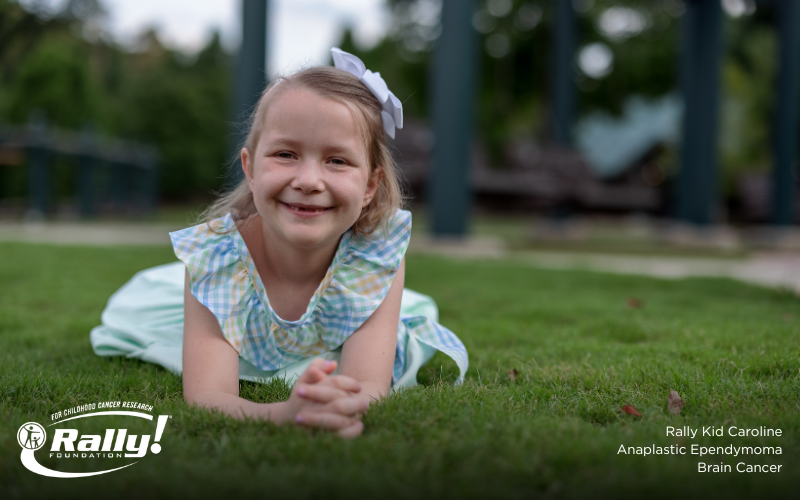
What is Ependymoma?
Ependymoma is a tumor that appears most often in the brain and sometimes in the spinal cord. It is a type of glioma, meaning it starts in the support cells of the brain. This cancer occurs more frequently in children—accounting for 5-10% of all pediatric brain tumors—but it can also affect adults. Common pediatric subtypes include classic ependymoma, a tumor that most commonly appears in the brain, and anaplastic ependymoma, which tends to spread and has a high chance of recurrence. Each type...

What Is a Postdoctoral and Clinical Research Fellow Grant?
Before we get to that, let’s first address the difference between a postdoctoral fellow and a clinical research fellow. It can definitely be confusing. A postdoctoral fellow, also called a postdoc, is someone who completed a Ph.D. program and is now conducting research under the guidance of a principal investigator (mentor) with the goal of one day having their own lab. A clinical research fellow is someone who graduated from medical school and completed their residency. The fellowship...