Diffuse intrinsic pontine glioma (DIPG) is a brain tumor found in a part of the brain stem—above the back of the neck and connected to the...
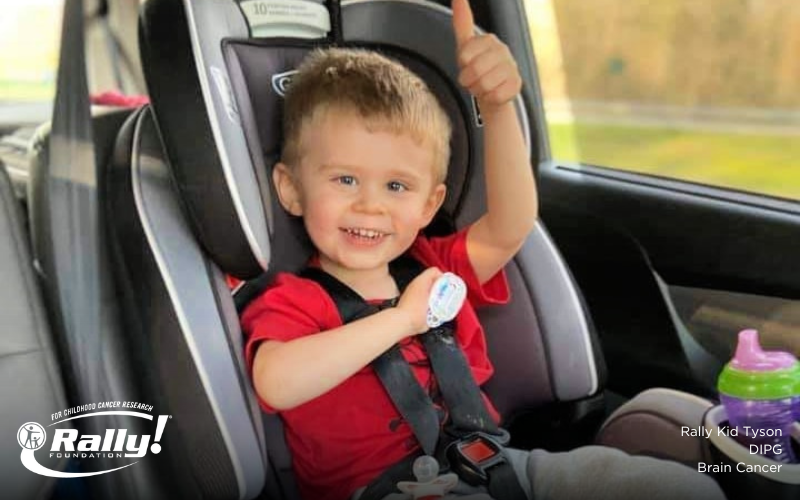
What is Diffuse Intrinsic Pontine Glioma (DIPG)?
read more
Diffuse intrinsic pontine glioma (DIPG) is a brain tumor found in a part of the brain stem—above the back of the neck and connected to the...
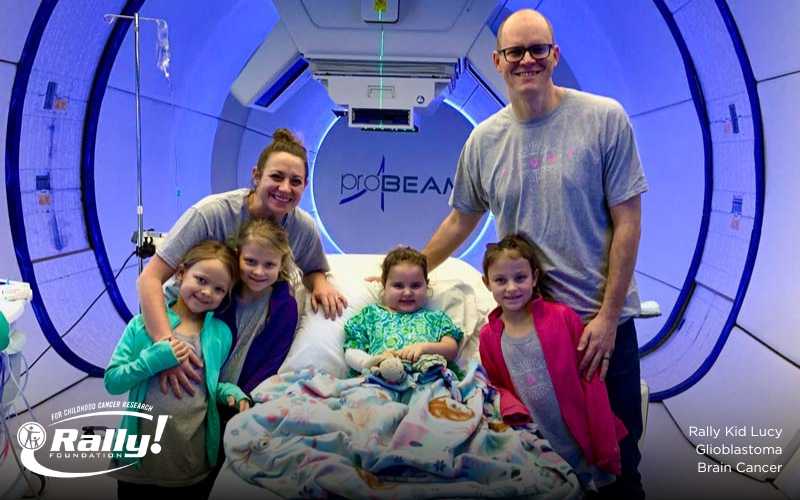
“Glioma” is a general term for a group of tumors that begin in glial cells—the supporting cells of the brain. Gliomas are classified based...
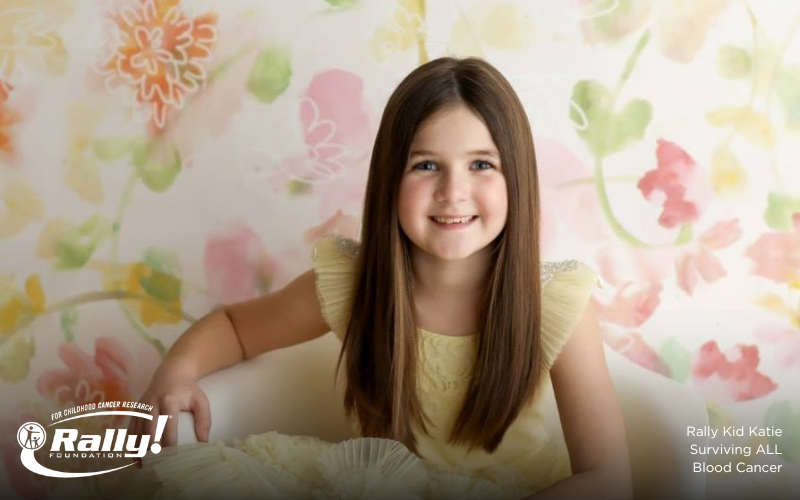
Acute lymphoblastic leukemia, also called acute lymphocytic leukemia, or ALL for short, is a type of blood cancer that causes bone marrow...
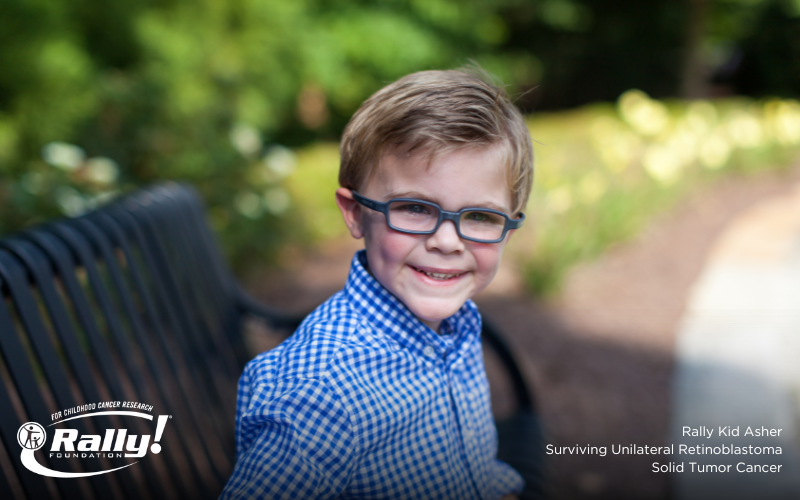
In simple terms, retinoblastoma is an eye cancer that develops in the immature cells of the retina. Though it is rare—with approximately...

Wilms tumor is a type of kidney cancer that primarily develops in children around the ages of three and four. It’s the most common type of...
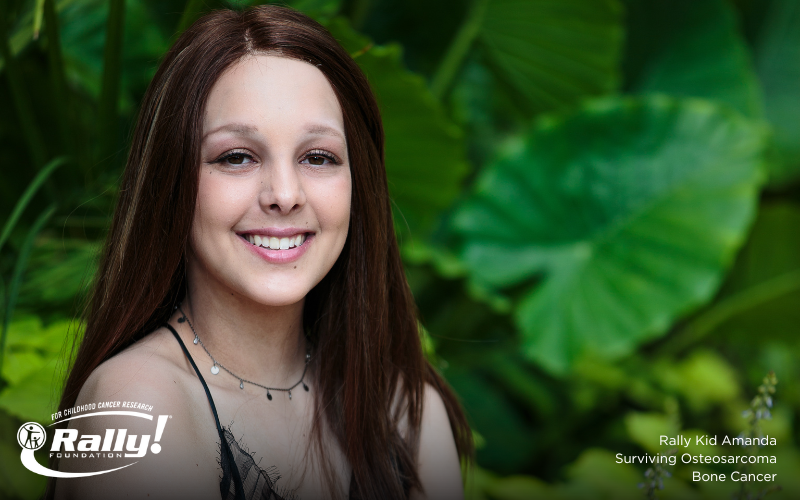
Childhood cancer is a big problem. In the U.S. alone, 46 children are diagnosed with cancer every school day. But it doesn’t just affect...
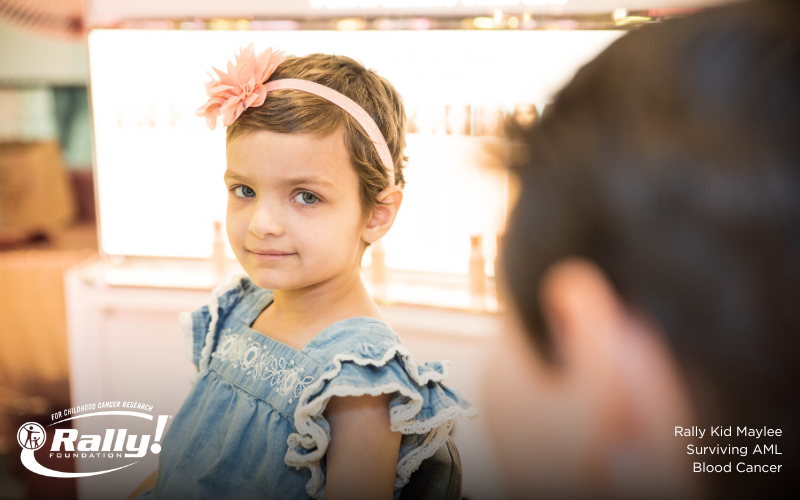
Acute myeloid leukemia (AML) is a blood cancer of the myeloid cells that normally form white blood cells, red blood cells or platelets....
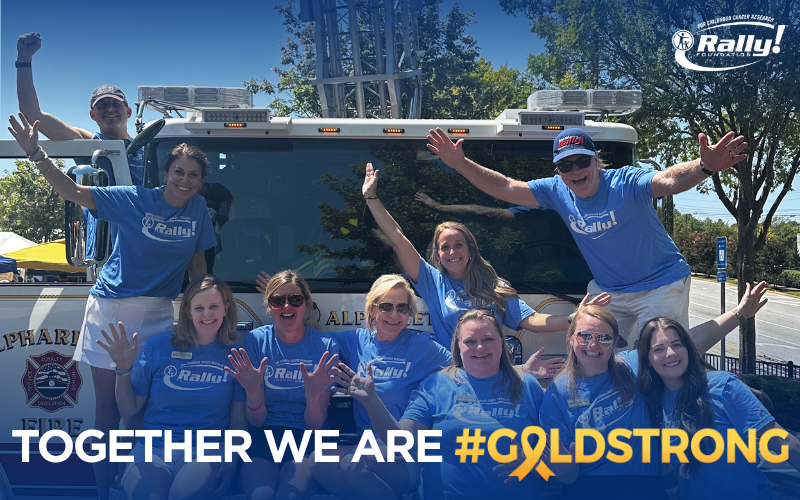
September is Childhood Cancer Awareness Month — and this year, Rally Foundation for Childhood Cancer Research is celebrating 20 years of...

Some people think of volunteering as a nice gesture. But in the fight against childhood cancer, it’s a lifeline. Volunteers are the...

Breakthroughs happen — in science, in medicine and especially in childhood cancer research — with outside-the-box thinking. At Rally...

At Rally, we believe that innovative research begins with innovative researchers. That’s why we are thrilled to announce the recipients of...
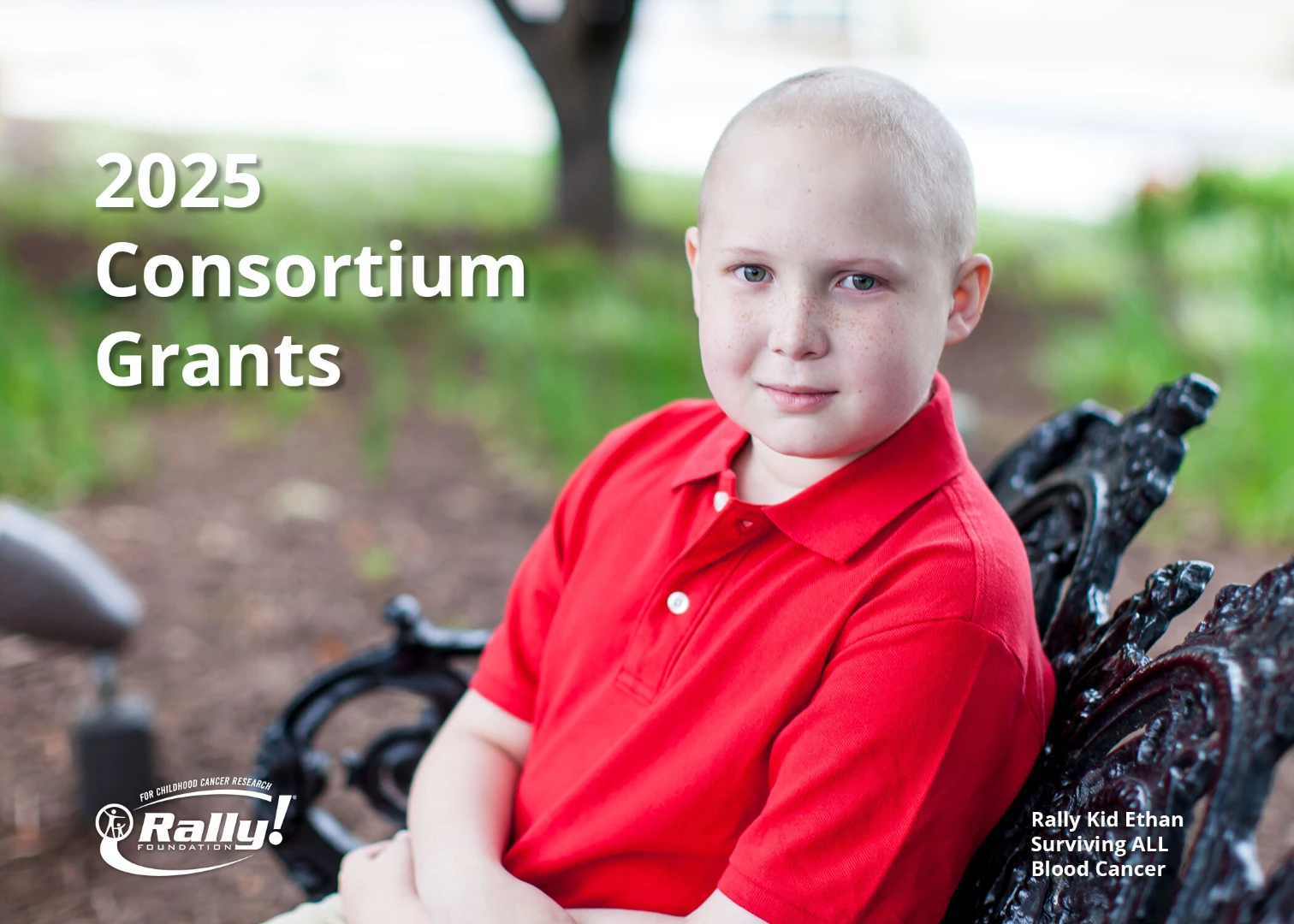
We are thrilled to share that Rally Foundation has awarded a total of $800,000 in funding for Consortium Grants this year. So, what...
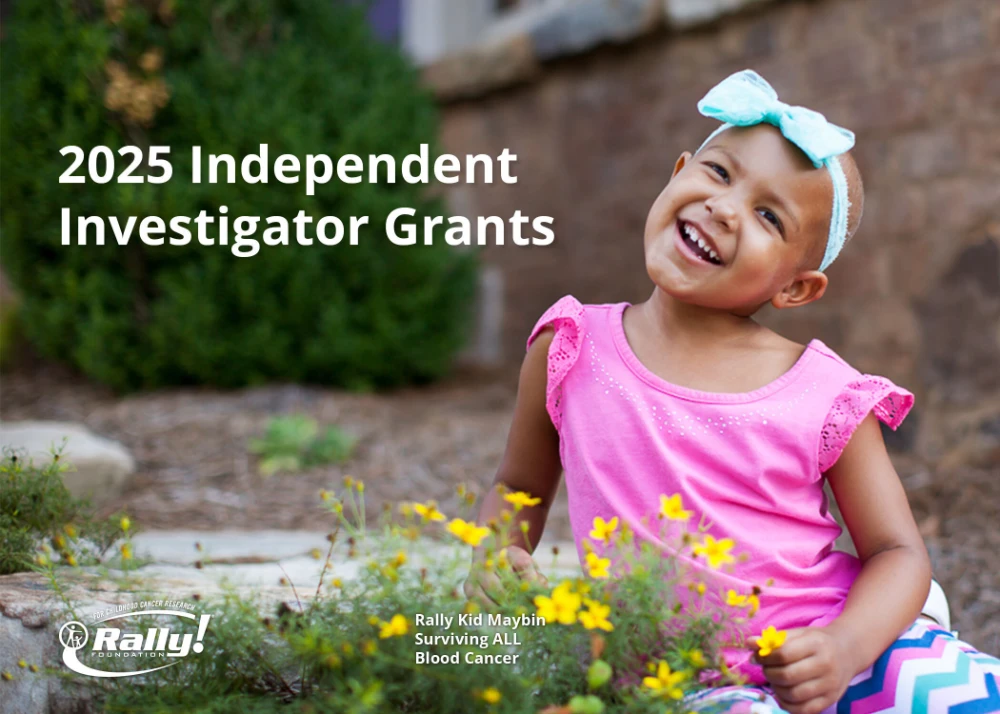
Rally is thrilled to announce that $1,087,500 has been awarded through this year’s Independent Investigator Grants — supporting innovative...
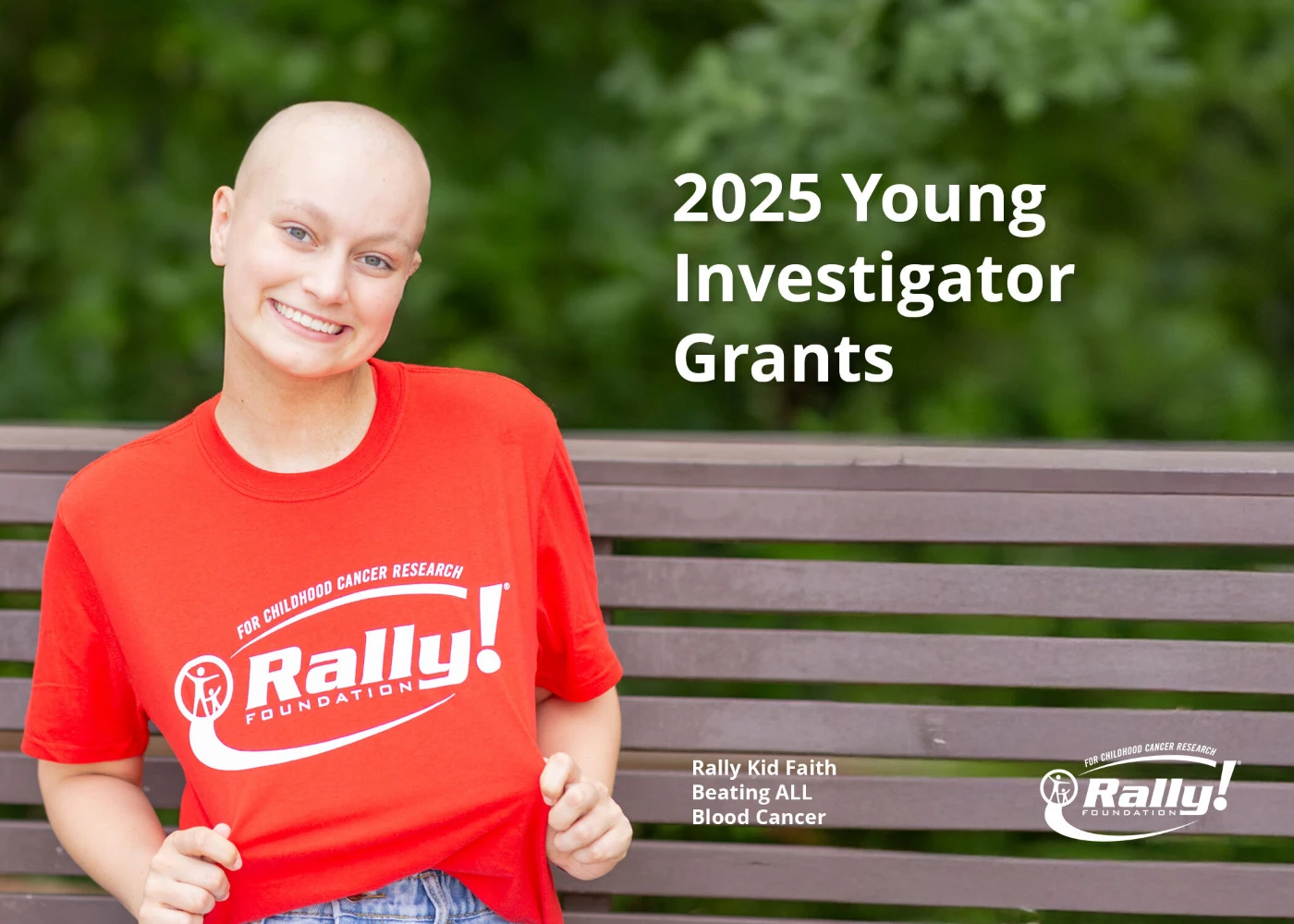
We’re delighted to announce the $650,000 awarded for this year’s Young Investigator Grants — supporting the next generation of childhood...

At Rally, we know the future of pediatric cancer research lies in the hands of the next generation of researchers. Many childhood cancer...
You just found out that your child has cancer. And that chemotherapy is part of the treatment plan. Most everyone has heard of chemotherapy. But what is it really? Chemotherapy is any drug used to stop the growth of cancer cells. Chemotherapy is designed to either kill cells or stop them from dividing. Is there just one chemotherapy? There are many different types of chemotherapy because different chemotherapies treat different types of cancer. Sometimes your child may receive several...
Radiation therapy is targeted energy used to destroy cancer cells, shrink tumors and/or alleviate certain cancer-related symptoms. Radiation therapy uses high-energy X-rays and other forms of radiation therapy to damage the DNA in cancer cells, killing them or depriving them of their ability to grow or divide. Radiation can be used in several ways: Primary treatment to destroy cancer cells In combination with other treatments to stop the growth of cancer cells Before another treatment to...
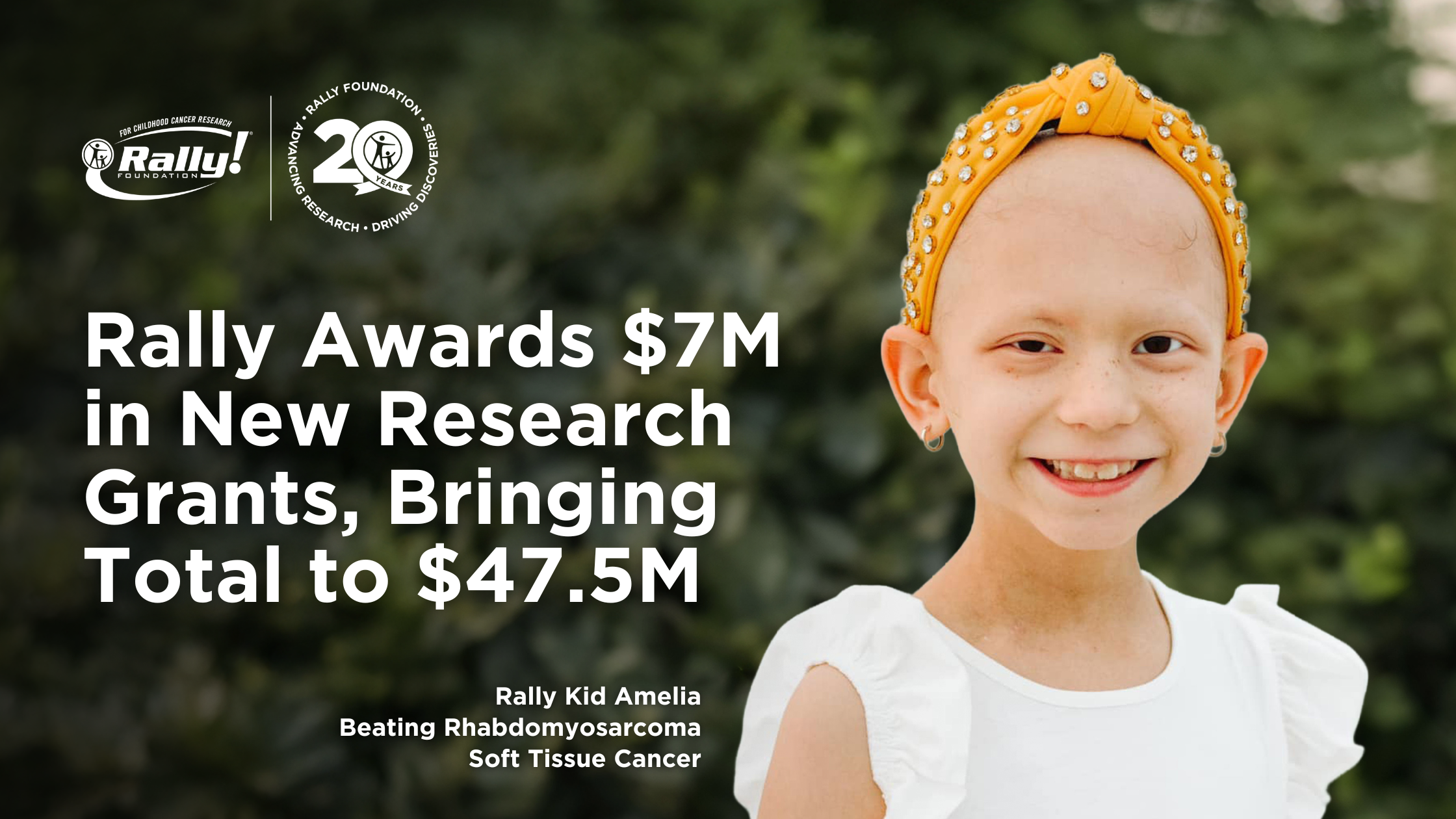
In 2026, Rally Foundation for Childhood Cancer Research is thrilled to award a total of $7 million in childhood cancer research grants to 94 researchers across 48 institutions worldwide. This is the foundation’s largest award value to be distributed since its founding in 2005, bringing the total awarded to $47.5 million. Rally Foundation proudly funds the best and the brightest researchers, seeking the most innovative and promising research. This year’s awards include 84 grants given to 18...
Honoring 20 years of innovative ideas and the visionaries behind them. For 20 years, Rally Foundation for Childhood Cancer Research has proudly supported groundbreaking ideas, empowered early career investigators and accelerated the path from bench to bedside. To recognize 20 years as philanthropic seed investors in the next great discovery, Rally Foundation launched our 20/20: Alumni Visionary Grant. This one-time, competitive grant program honors our past by reinvesting in the exceptional...
MRI stands for Magnetic Resonance Imaging. Having an MRI does not hurt, and it is safe – no radioactivity is present. It may take up to one hour, or, if your child needs an anesthetic, most of the day. An MRI scan provides diagnostic information not available when using plain X-rays, ultrasounds, or CT scans. Using a large magnet, radio waves and a computer, an MRI scanner creates very clear and detailed images of organs and tissues in the body. During the MRI, your child will need to lie very...
A CT (or CAT) scan is a diagnostic medical imaging procedure that creates three-dimensional images of internal organs, soft tissues, blood vessels and bones. CT stands for Computed Tomography. It provides a more detailed image than a traditional X-ray. Most CT scans take a few seconds, while some may take more than 10 minutes. The CT scanner looks like a giant donut with a sliding bed inside, and your child needs to lie very still during the procedure. It’s important to wear comfortable,...