
What is Ewing Sarcoma?
Ewing Sarcoma Defined Ewing sarcoma is a cancerous bone tumor that affects children, adolescent and young adults—usually developing during...
What is Rhabdomyosarcoma?
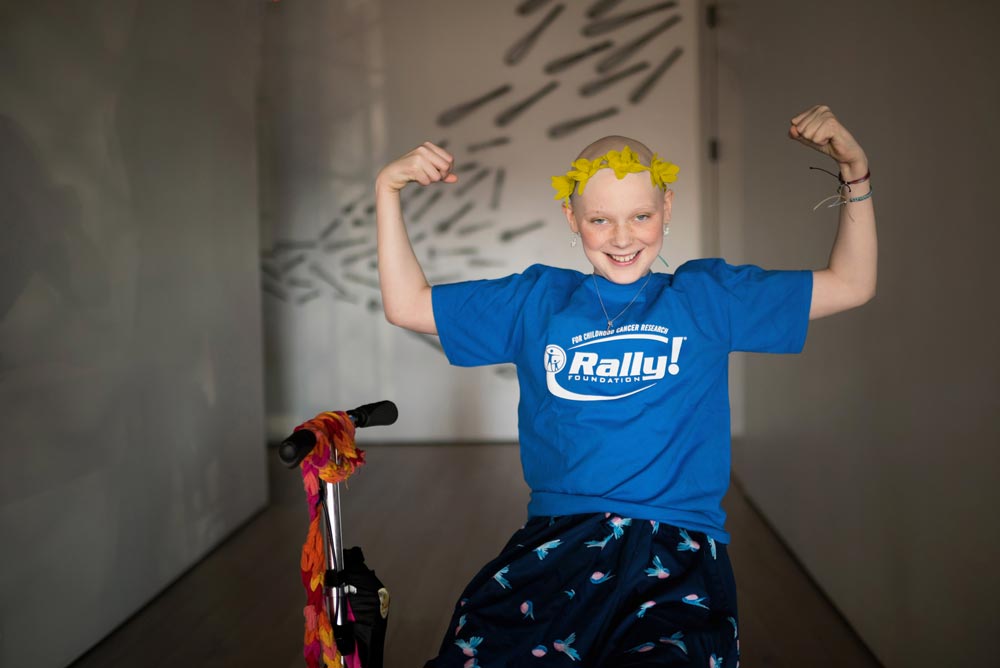
Rhabdomyosarcoma (RMS) is a type of soft tissue cancer that most commonly affects children and adolescents. It’s often found in skeletal...
What Is Osteosarcoma?
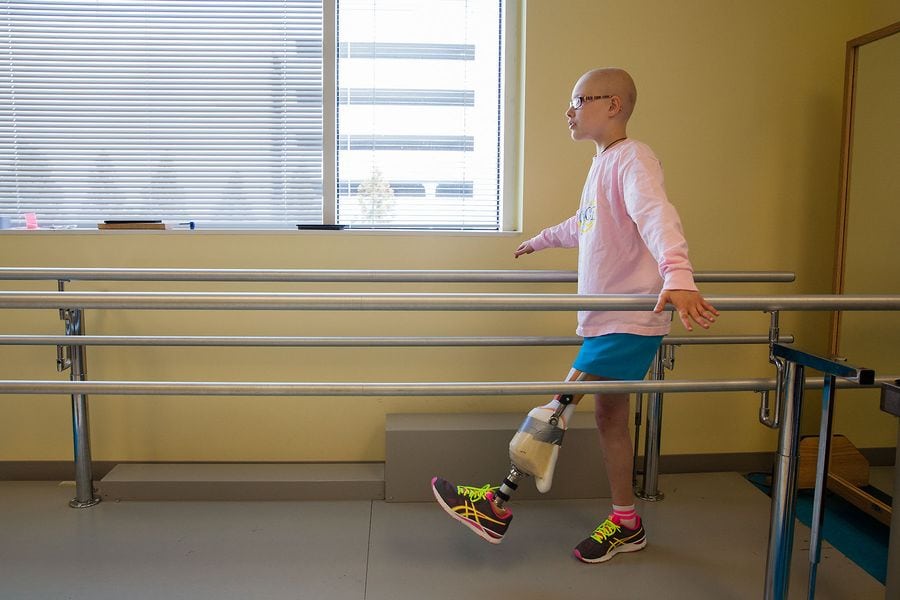
Osteosarcoma is the most common type of bone cancer in children and adolescents. The tumor often originates in the long bones of the body,...

Rally Is Proud to Award $300,000 to These Outside the Box Grant Recipients!
Breakthroughs happen — in science, in medicine and especially in childhood cancer research — with outside-the-box thinking. At Rally...

Rally Is Excited to Announce $1.2M in Funding for Career Development Awards
At Rally, we believe that innovative research begins with innovative researchers. That’s why we are thrilled to announce the recipients of...
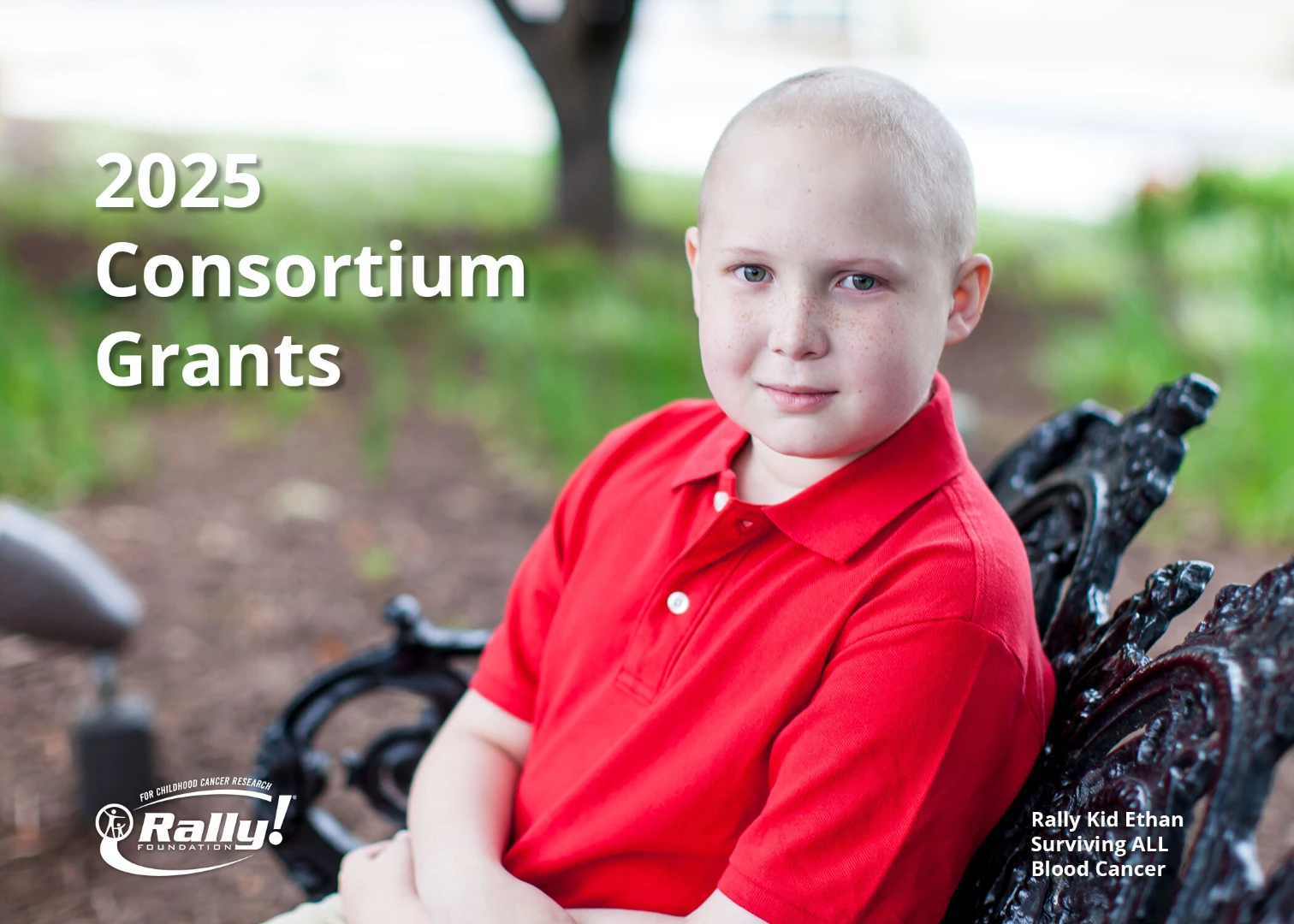
Rally Announces $800K in Awards to Consortium Grants
We are thrilled to share that Rally Foundation has awarded a total of $800,000 in funding for Consortium Grants this year. So, what...

Rally Foundation Announces More Than $1M for Independent Investigator Grants
Rally is thrilled to announce that $1,087,500 has been awarded through this year’s Independent Investigator Grants — supporting innovative...
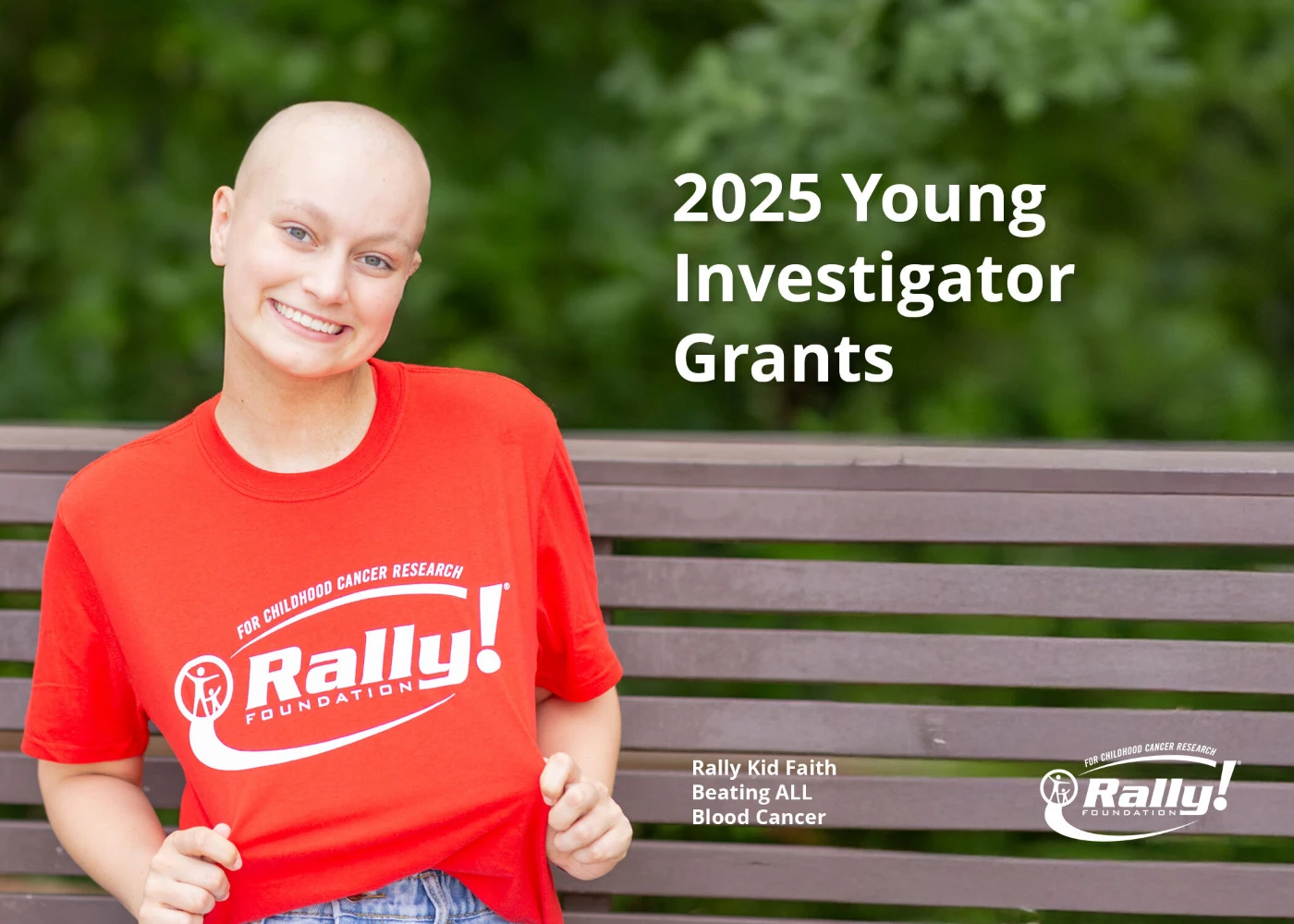
$650,000 for Rally-Funded Young Investigator Grants
We’re delighted to announce the $650,000 awarded for this year’s Young Investigator Grants — supporting the next generation of childhood...

Rally Is Thrilled to Announce $600,000 Awarded to Our 2025 Postdoctoral and Clinical Research Fellow Grants
At Rally, we know the future of pediatric cancer research lies in the hands of the next generation of researchers. Many childhood cancer...
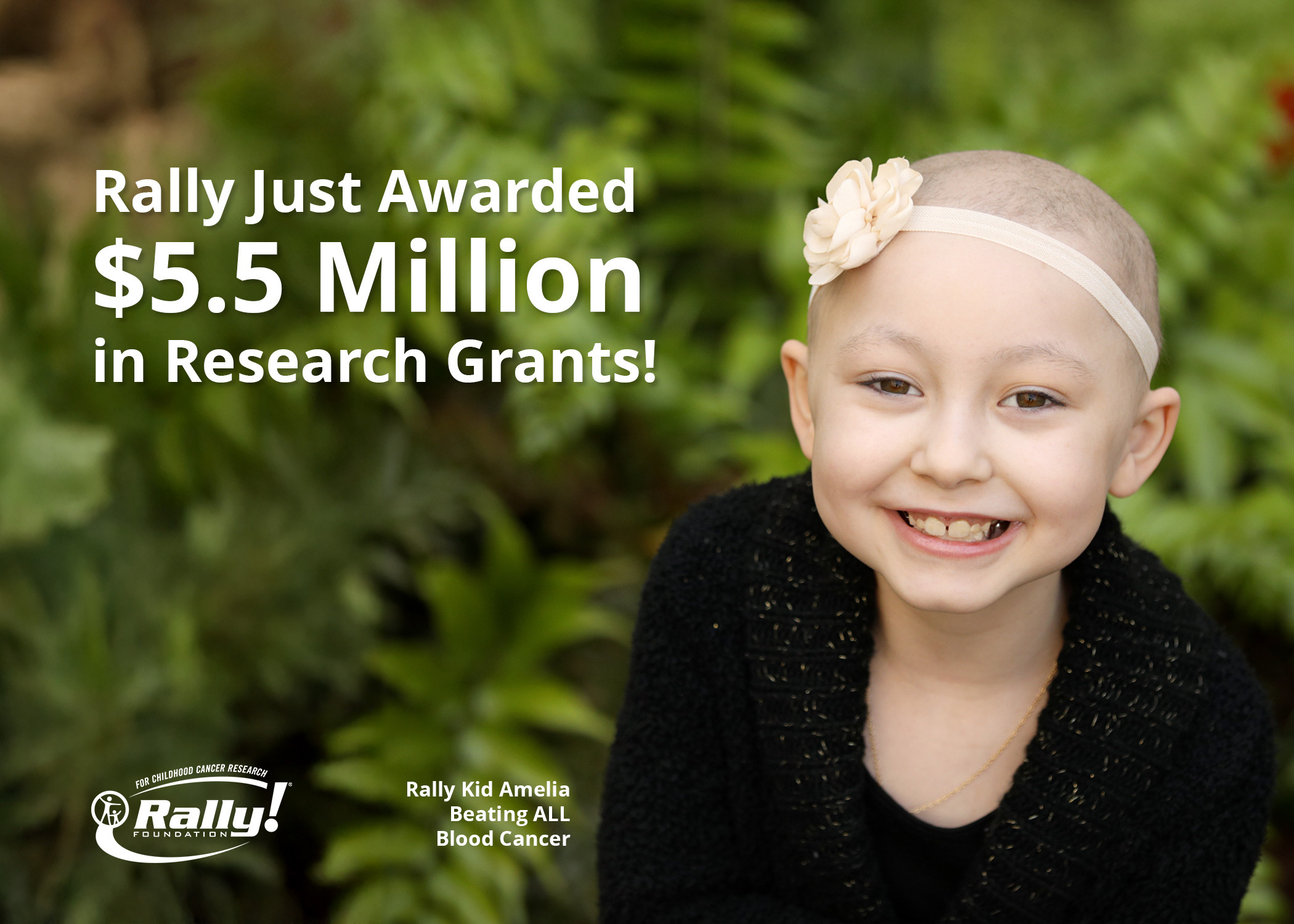
Rally Foundation Awards $5.5M for a Record Number of Grants to 75 Childhood Cancer Researchers
In 2025, Rally Foundation for Childhood Cancer Research (Rally) is thrilled to award a total of $5.5 million in childhood cancer research...

What is Atypical Teratoid/Rhabdoid Tumor (AT/RT)?
Atypical Teratoid/Rhabdoid Tumor (AT/RT) is a rare and fast-growing tumor that typically originates in the brain and spinal cord. These tumors most often occur in the part of the brain called the cerebellum, which controls movement and balance, or in the brain stem, which controls vital functions like breathing and heart rate. AT/RT mainly occurs in children under the age of three, but it can occur in older children and very rarely in adults. AT/RT is found in fewer than 3% of children with...

A Letter To Rally Kid Alexa
Dear sweet Alexa, Yesterday’s passage of the funding bill in the Senate (yes, it’s now 2026!) was a win inspired by you so many years ago. I first learned what advocacy really looks like because of you. You were only a preschooler, and yet you understood exactly what mattered. You marched up to Capitol Hill, climbed into Senator Johnny Isakson’s lap, and, very matter-of-factly, asked him for $1 million for childhood cancer research and to come to an ice cream party with you that afternoon. He...
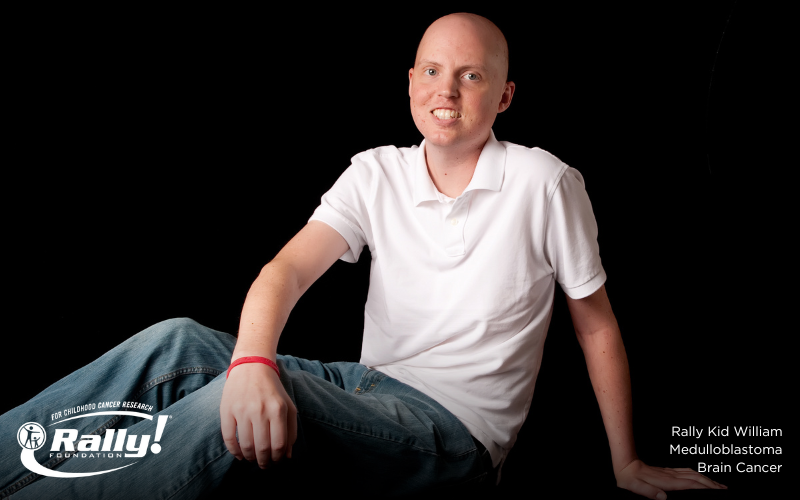
What is Medulloblastoma?
Medulloblastoma is a type of brain cancer that’s most commonly found in children. “Medulloblastoma starts in the cerebellum, which is located in the back of the brain,” explained Rally-funded Researcher Dr. Jezabel Rodriguez-Blanco, Assistant Professor, Department of Pediatrics at the Medical University of South Carolina. “It is a fast-growing tumor that often compresses the ventricle that brings the protective cerebrospinal fluid to the brain. The cerebellum is the part of the brain that...

What is Diffuse Intrinsic Pontine Glioma (DIPG)?
Diffuse intrinsic pontine glioma (DIPG) is a brain tumor found in a part of the brain stem—above the back of the neck and connected to the spine—called the pons. The pons is a vital part of the brain, controlling critical bodily functions like breathing, swallowing, blood pressure, heart rate, eyesight and balance. DIPG occurs almost exclusively in children; most often between the ages of four and 11. DIPG accounts for roughly 10-15% of all brain tumors in children. These tumors—called gliomas...
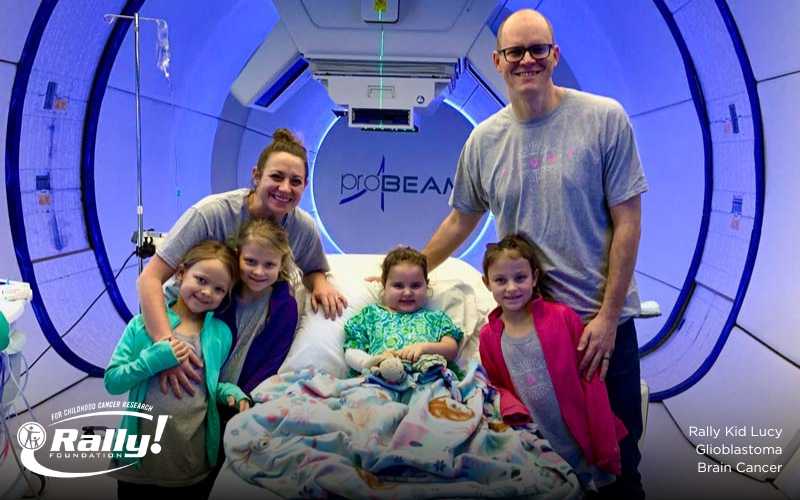
What is a Glioma?
“Glioma” is a general term for a group of tumors that begin in glial cells—the supporting cells of the brain. Gliomas are classified based on their location and by the type of glial cell—astrocytes, oligodendrocytes or ependymocytes—from which they arise. Thus, many different types of brain tumors are classified as gliomas, like astrocytomas, oligodendrogliomas, ependymomas, brain stem gliomas and glioblastomas. About half of all pediatric brain and spinal cord tumors are gliomas. Gliomas are...

What is Acute Lymphoblastic Leukemia (ALL)?
Acute lymphoblastic leukemia, also called acute lymphocytic leukemia, or ALL for short, is a type of blood cancer that causes bone marrow to overproduce a type of white blood cells called lymphoblasts. ALL is the most common type of cancer that affects kids, accounting for roughly 30% of all cases of childhood cancer. Lymphoblasts are immature white blood cells that are responsible for identifying and destroying foreign invaders like bacteria and viruses. When someone has ALL, the bone marrow...