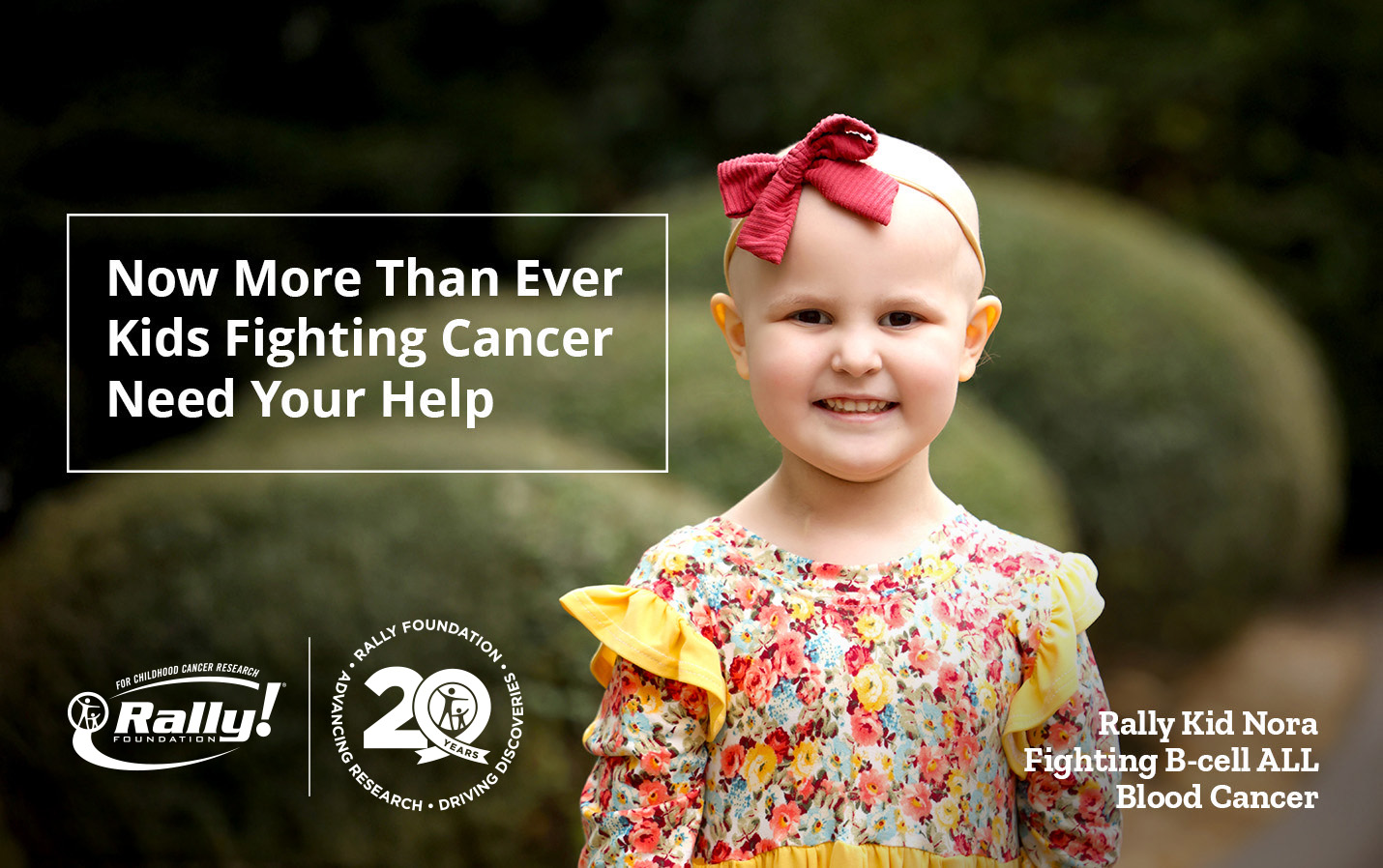
Nora’s Journey With Cancer: The Spirit of a Fighter
Like most 4-year-old girls, Nora was full of life — happy, energetic and always on the go. Nothing seemed out of the ordinary until her...
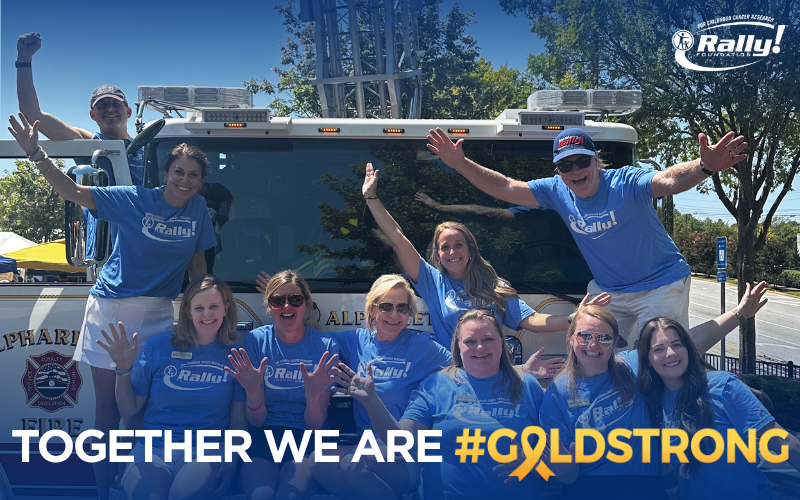
Childhood Cancer Awareness Month 2025
September is Childhood Cancer Awareness Month — and this year, Rally Foundation for Childhood Cancer Research is celebrating 20 years of...

What’s One Hour of Your Time Worth?
Some people think of volunteering as a nice gesture. But in the fight against childhood cancer, it’s a lifeline. Volunteers are the...

What is Ewing Sarcoma?
Ewing Sarcoma Defined Ewing sarcoma is a cancerous bone tumor that affects children, adolescent and young adults—usually developing during...
What is Rhabdomyosarcoma?
Rhabdomyosarcoma (RMS) is a type of soft tissue cancer that most commonly affects children and adolescents. It’s often found in skeletal...

Rally Is Proud to Award $300,000 to These Outside the Box Grant Recipients!
Breakthroughs happen — in science, in medicine and especially in childhood cancer research — with outside-the-box thinking. At Rally...

Rally Is Excited to Announce $1.2M in Funding for Career Development Awards
At Rally, we believe that innovative research begins with innovative researchers. That’s why we are thrilled to announce the recipients of...
Rally Announces $800K in Awards to Consortium Grants
We are thrilled to share that Rally Foundation has awarded a total of $800,000 in funding for Consortium Grants this year. So, what...
Rally Foundation Announces More Than $1M for Independent Investigator Grants
Rally is thrilled to announce that $1,087,500 has been awarded through this year’s Independent Investigator Grants — supporting innovative...
$650,000 for Rally-Funded Young Investigator Grants
We’re delighted to announce the $650,000 awarded for this year’s Young Investigator Grants — supporting the next generation of childhood...
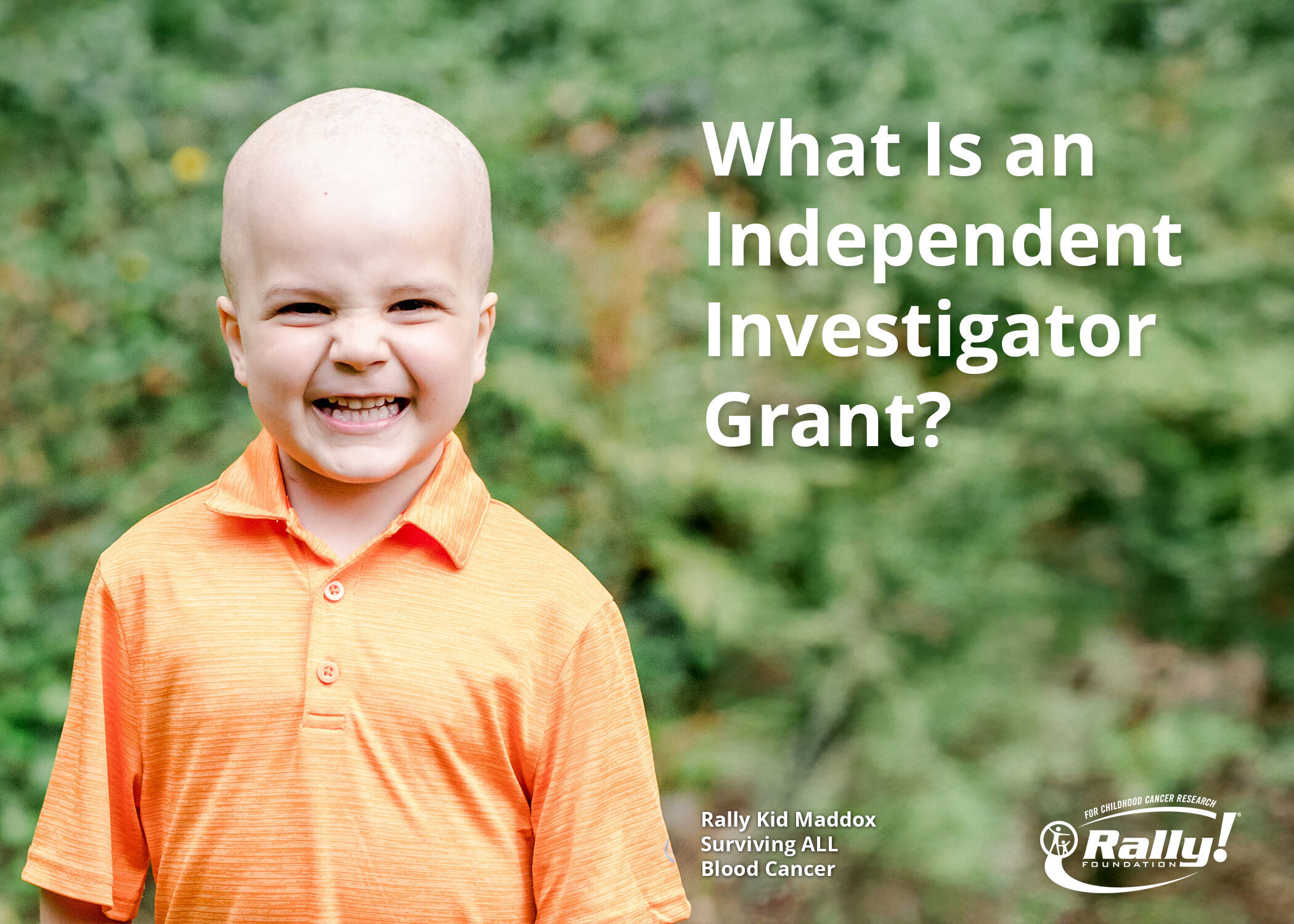
What Is an Independent Investigator Grant?
Independent Investigator Grants are awarded to principal investigators. Let’s begin by explaining the role of a principal investigator. Principal investigators are typically faculty members (e.g., professor, associate professor, assistant professor) who lead a research lab as an expert in their field. As the lab leader, they are responsible for developing the research agenda, designing research projects, securing funding (often through grants like Rally Foundation for Childhood Cancer...
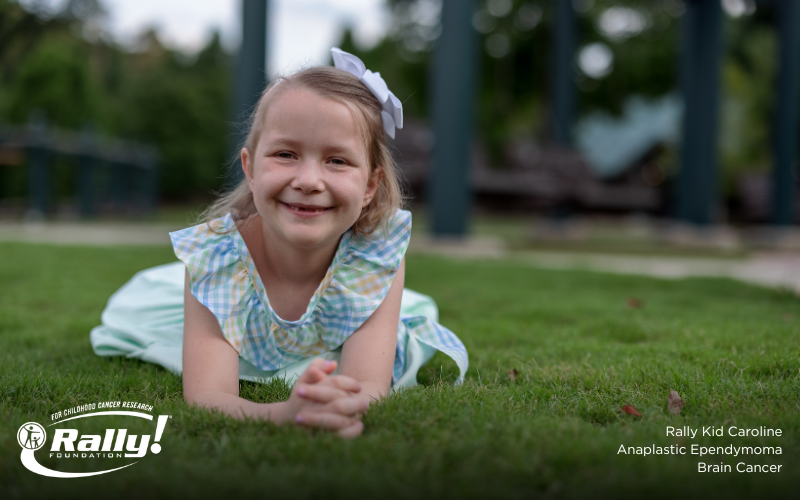
What is Ependymoma?
Ependymoma is a tumor that appears most often in the brain and sometimes in the spinal cord. It is a type of glioma, meaning it starts in the support cells of the brain. This cancer occurs more frequently in children—accounting for 5-10% of all pediatric brain tumors—but it can also affect adults. Common pediatric subtypes include classic ependymoma, a tumor that most commonly appears in the brain, and anaplastic ependymoma, which tends to spread and has a high chance of recurrence. Each type...
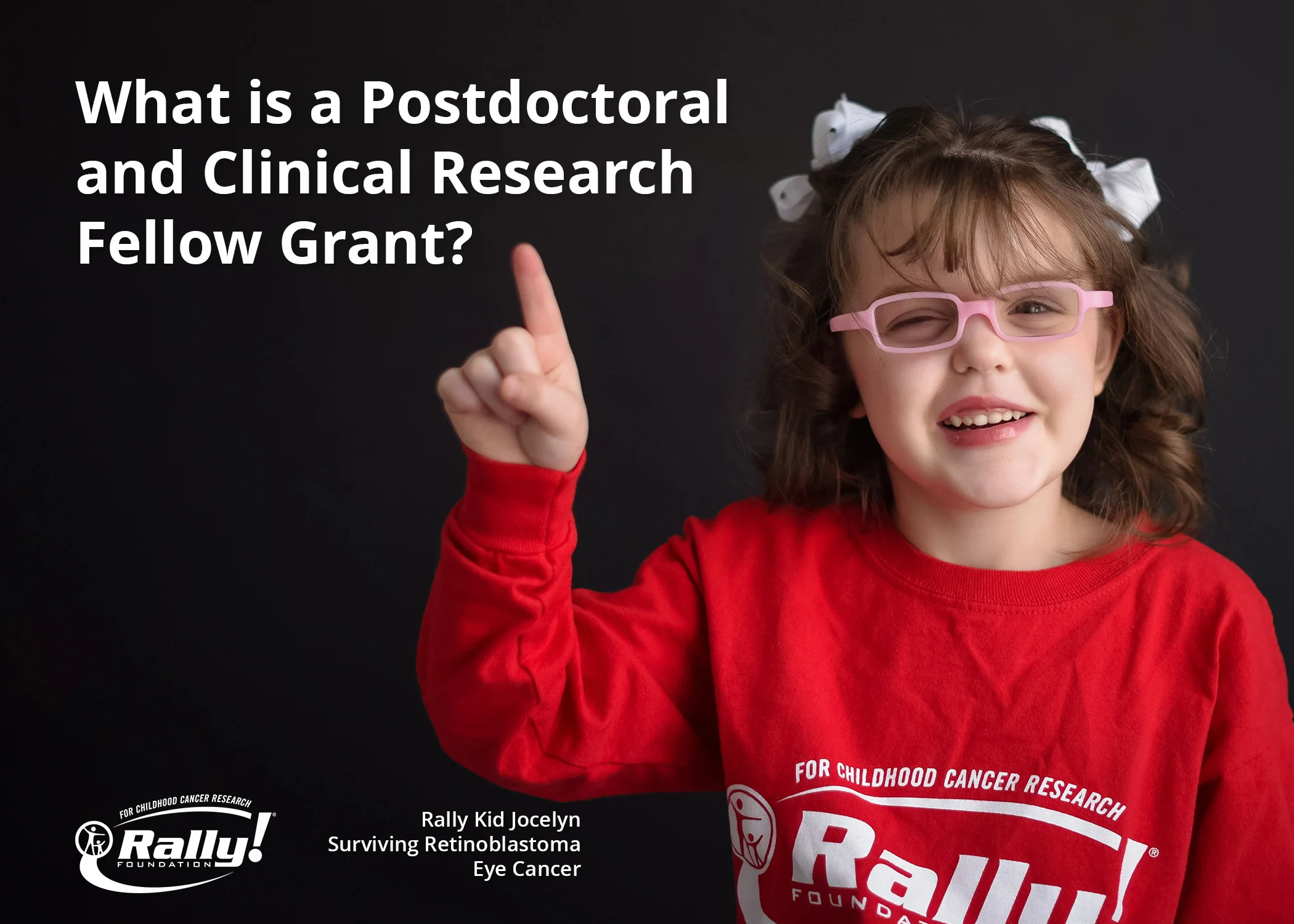
What Is a Postdoctoral and Clinical Research Fellow Grant?
Before we get to that, let’s first address the difference between a postdoctoral fellow and a clinical research fellow. It can definitely be confusing. A postdoctoral fellow, also called a postdoc, is someone who completed a Ph.D. program and is now conducting research under the guidance of a principal investigator (mentor) with the goal of one day having their own lab. A clinical research fellow is someone who graduated from medical school and completed their residency. The fellowship...
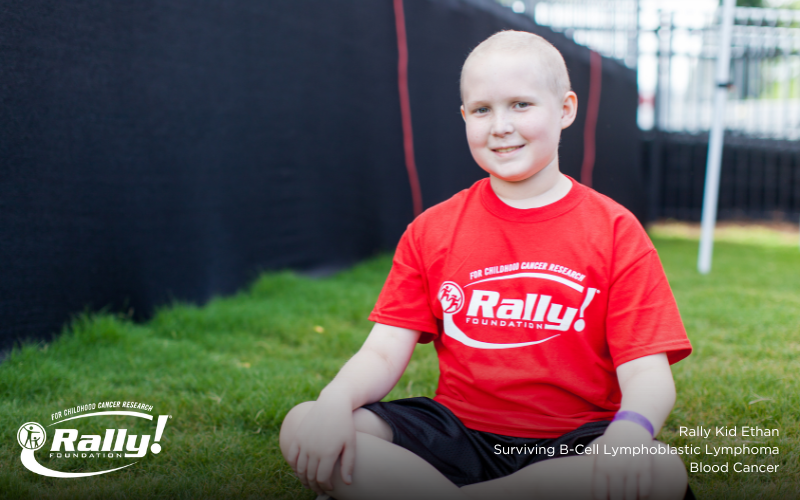
What is Lymphoma?
Lymphoma is a cancer of the body’s lymphatic (lymph) system which is essential to the immune system. The lymphatic system is made up of a type of white blood cells also known as lymphocytes which flow throughout the whole body. These lymphocytes fight infections throughout the body, so when cancerous cells begin to grow they can quickly spread through the entire lymph system. This then makes it difficult for the immune system to work properly. Early symptoms of lymphomas usually begin with a...
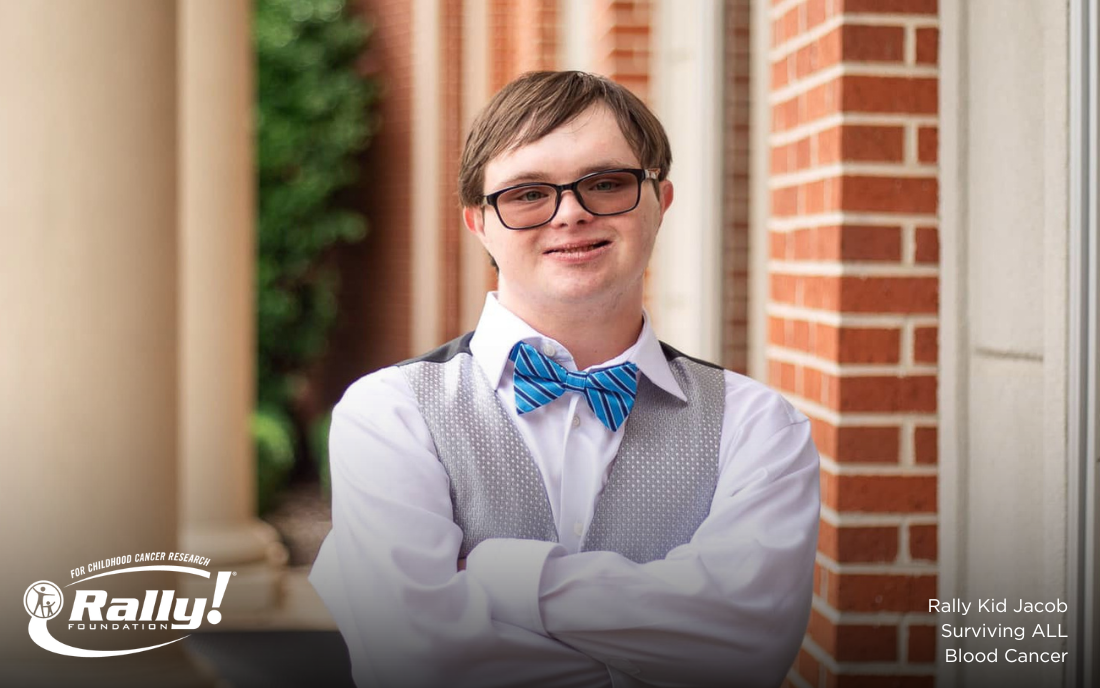
What Is the Link Between Down Syndrome and Childhood Cancer?
Let’s begin by explaining Down syndrome Down syndrome (DS) occurs in about one in every 700 births worldwide. There is a small change during early fetal development that leads to an extra copy of chromosome 21, which is why DS is also known as trisomy 21. People with DS have unique, recognizable physical characteristics and may experience some developmental delays, though these can vary widely from person to person. Children with Down syndrome have a unique relationship with cancer. That extra...
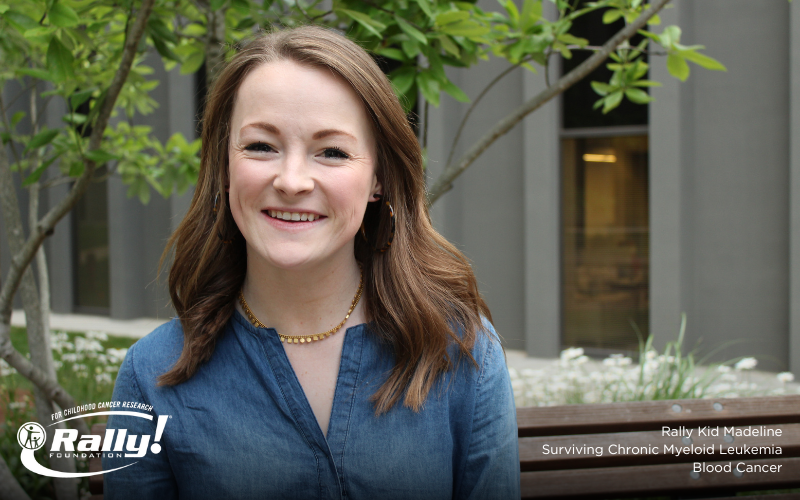
What is Chronic Myeloid Leukemia (CML)?
Chronic myeloid leukemia (CML) is a type of blood cancer that causes an overproduction of white blood cells. These cells grow abnormally and can build up in the blood and bone marrow, leaving less room for healthy white and red blood cells as well as platelets. CML is commonly associated with a genetic mutation called the Philadelphia chromosome. While CML is very rare in children, with about 150 pediatric cases in the U.S. each year, it’s often more aggressive in kids than it is in adults....