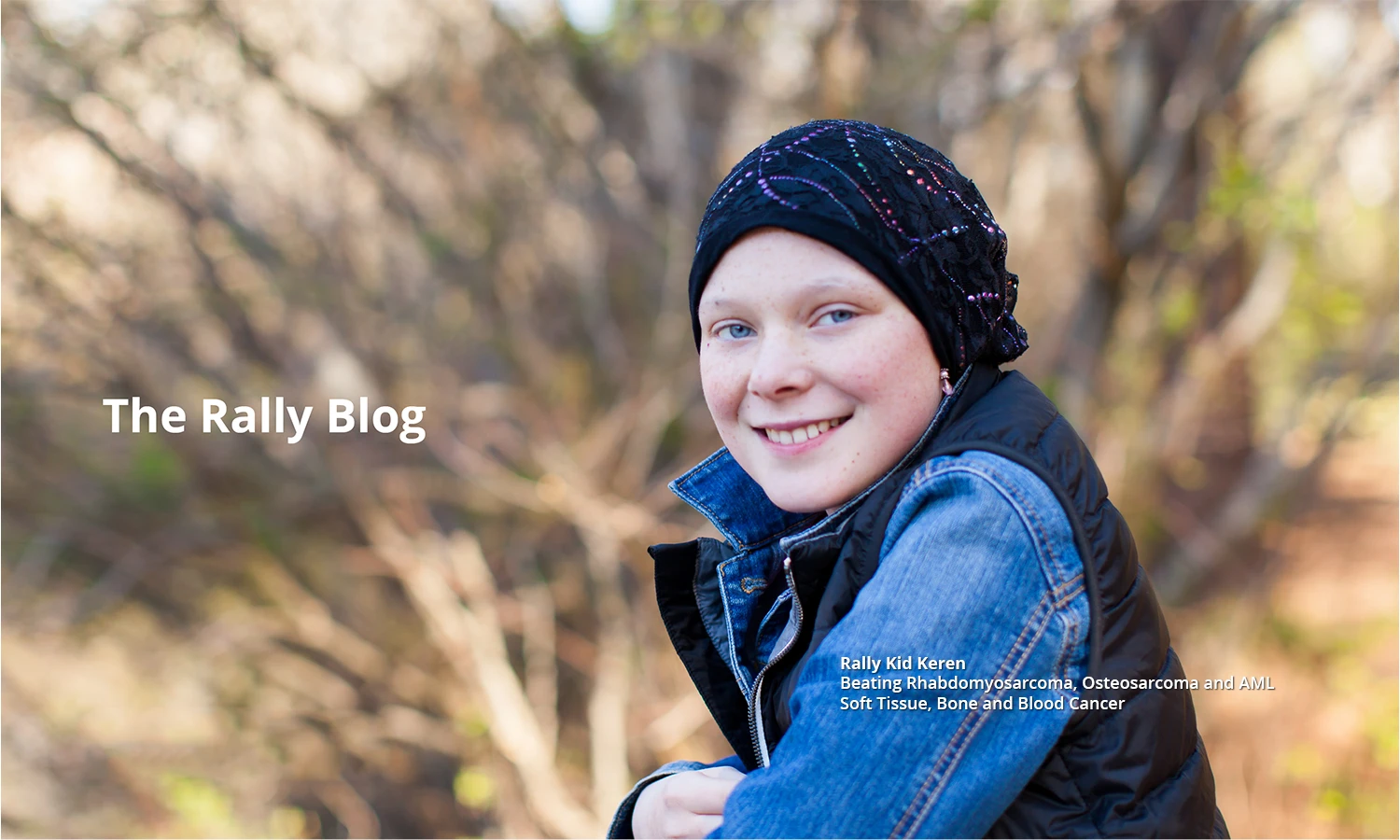

Rally Is Excited to Announce $1.2M in Funding for Career Development Awards
At Rally, we believe that innovative research begins with innovative researchers. That’s why we are thrilled to announce the recipients of...
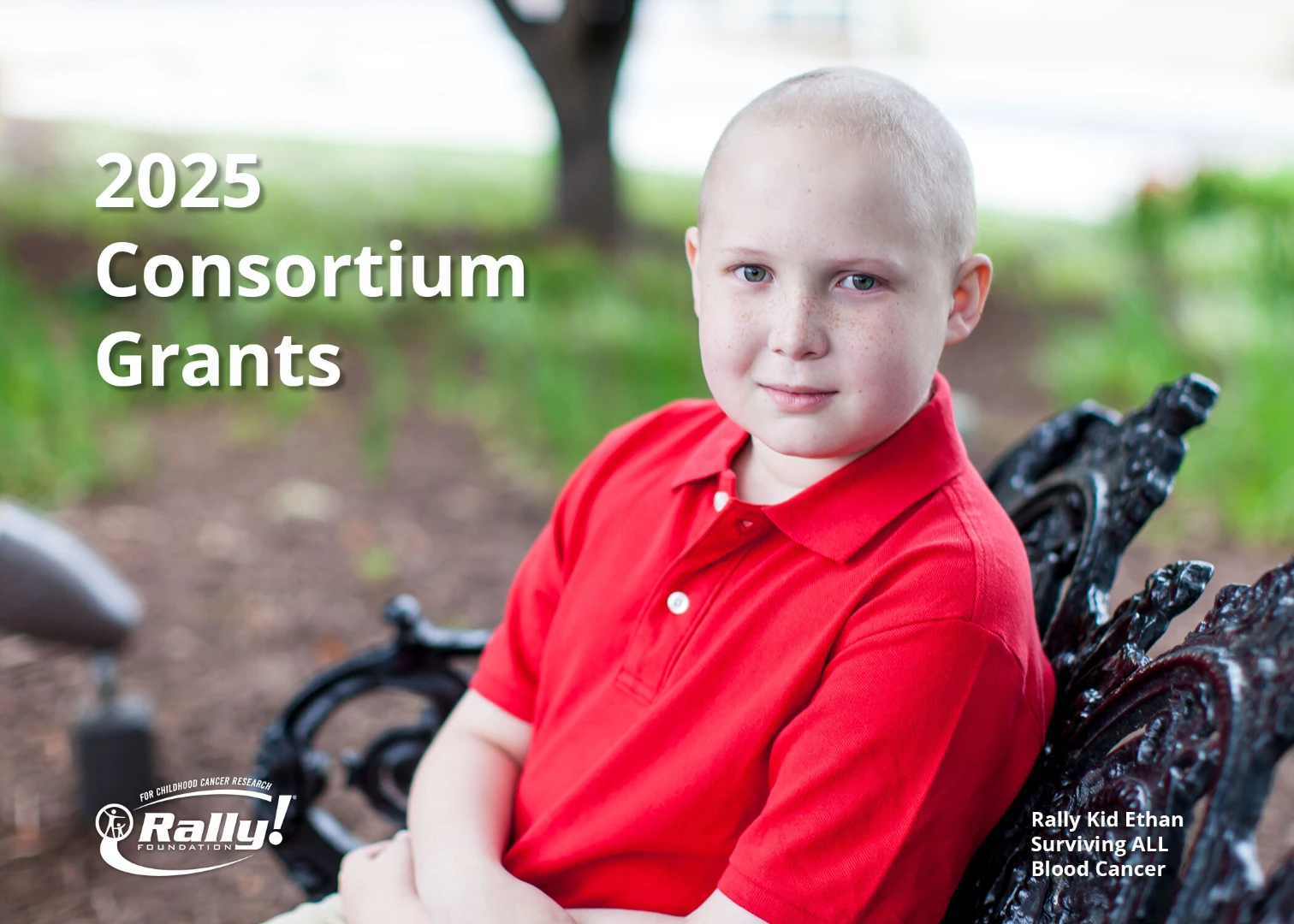
Rally Announces $800K in Awards to Consortium Grants
We are thrilled to share that Rally Foundation has awarded a total of $800,000 in funding for Consortium Grants this year. So, what...
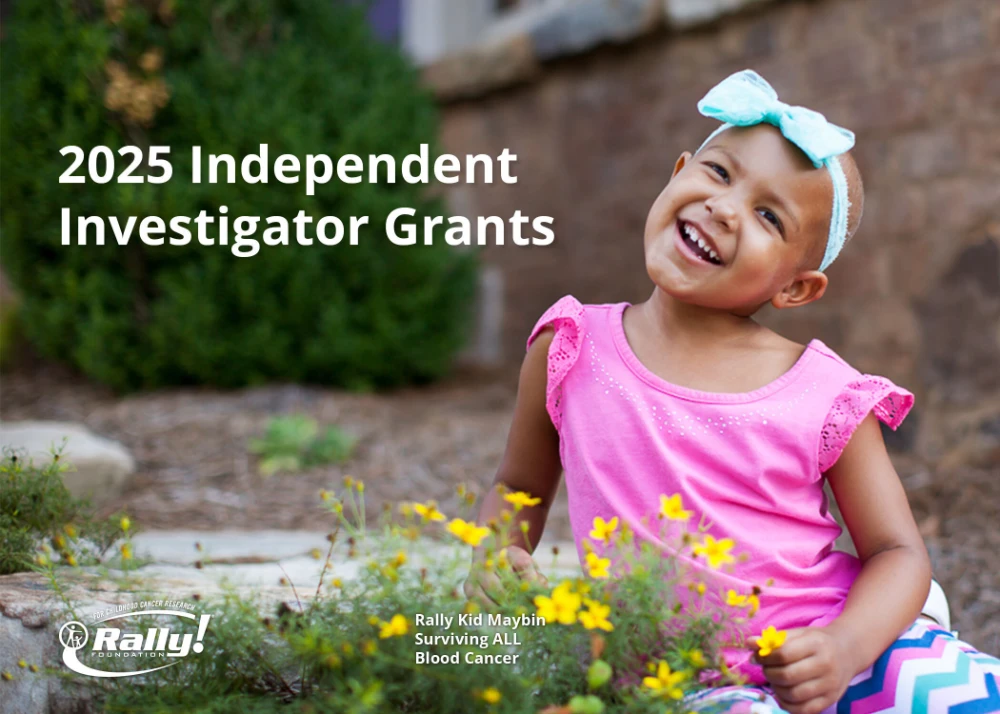
Rally Foundation Announces More Than $1M for Independent Investigator Grants
Rally is thrilled to announce that $1,087,500 has been awarded through this year’s Independent Investigator Grants — supporting innovative...
$650,000 for Rally-Funded Young Investigator Grants
We’re delighted to announce the $650,000 awarded for this year’s Young Investigator Grants — supporting the next generation of childhood...
Rally Is Thrilled to Announce $600,000 Awarded to Our 2025 Postdoctoral and Clinical Research Fellow Grants
At Rally, we know the future of pediatric cancer research lies in the hands of the next generation of researchers. Many childhood cancer...
Rally Foundation Awards $5.5M for a Record Number of Grants to 75 Childhood Cancer Researchers
In 2025, Rally Foundation for Childhood Cancer Research (Rally) is thrilled to award a total of $5.5 million in childhood cancer research...
Five Pediatric Cancer Bills Cut From the 2025 Budget
Your Voice Matters Now More Than Ever We were so close to an epic year for childhood cancer. We had six bills that were in the end of year...
Dean’s Letter – December 2024
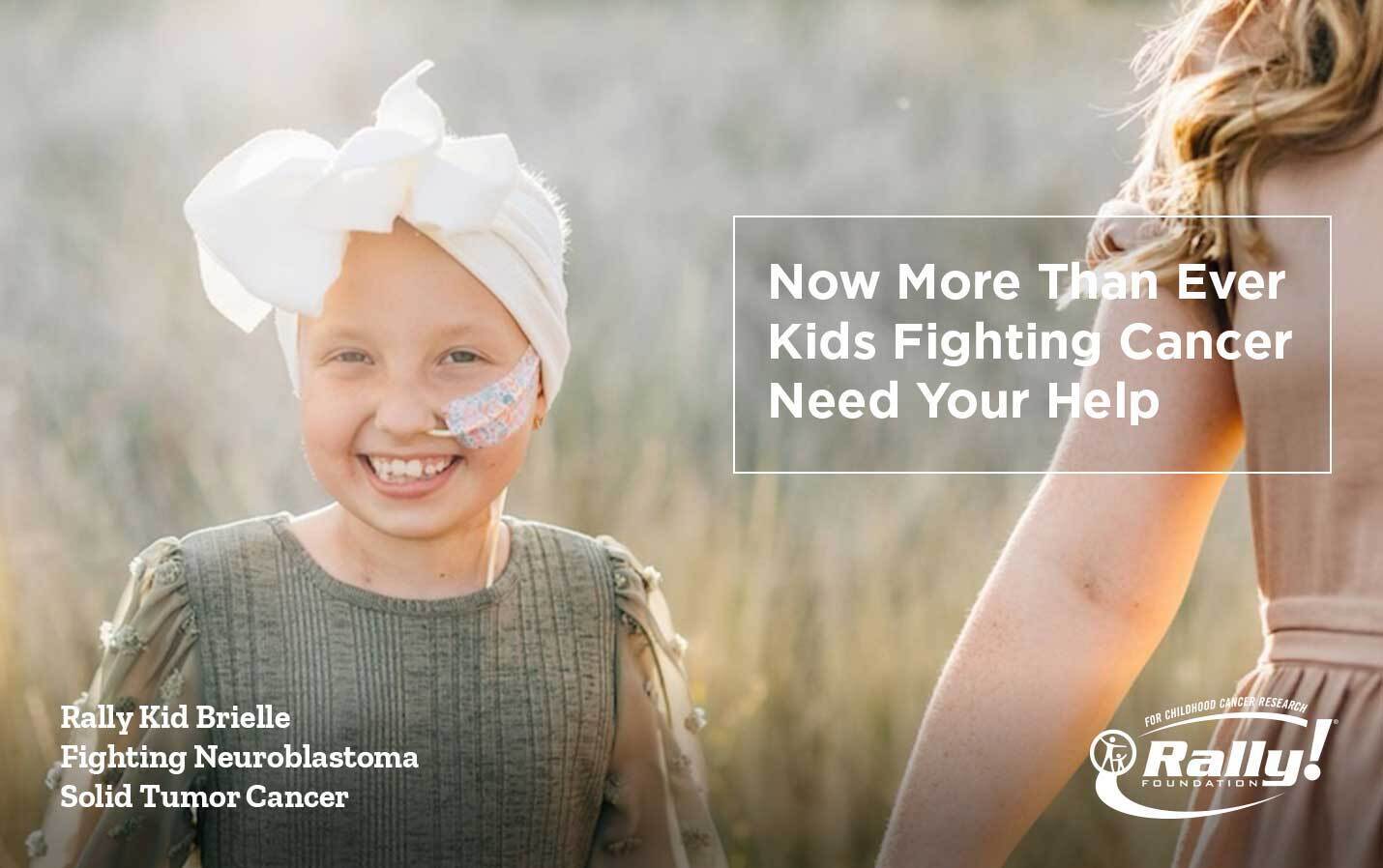
I love seeing pictures of our Rally Kids. But this one of 10-year-old #RallyKid Caroline hugging her older brother, Jack, hit me right in...
A Message From Brielle
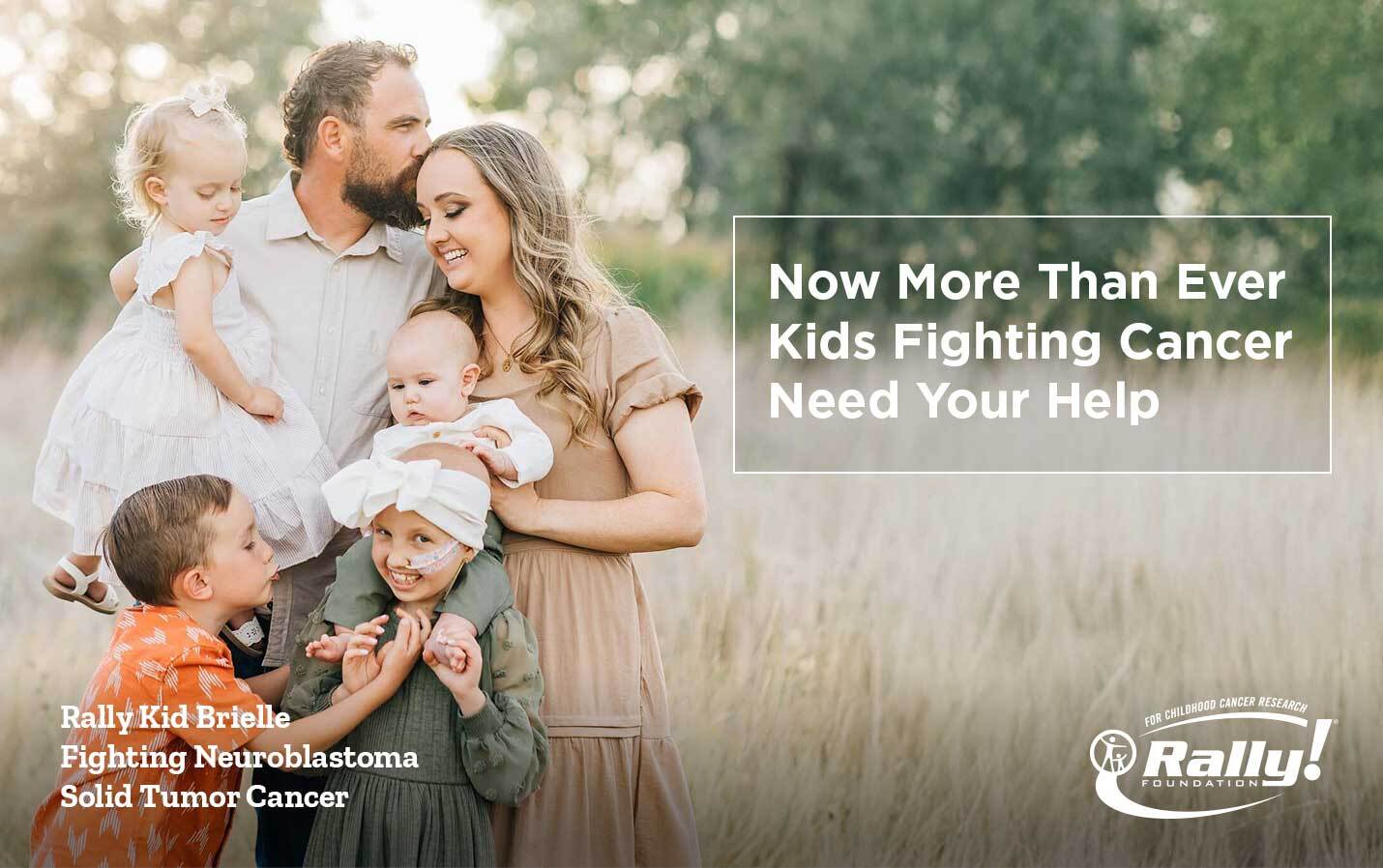
Hi, my name is Brielle. I’m 8-years-old, and I’ve been fighting cancer for as long as I can remember. I was 4 when I first got sick, and...
Rally Kid Brielle: A Little Girl with Big Dreams and an Even Bigger Fight
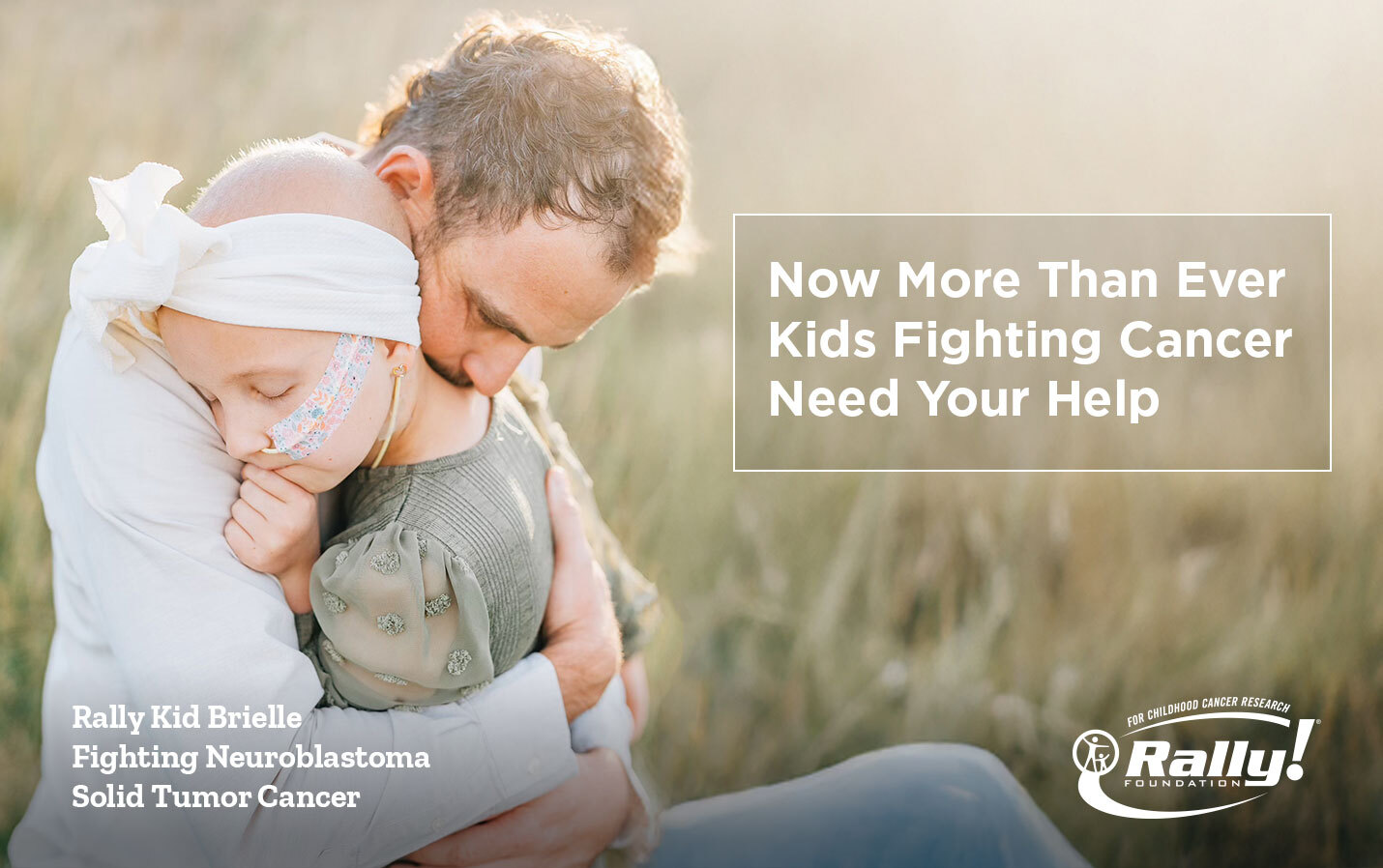
Brielle is a bright, beautiful 8-year-old who loves working on craft projects, dancing around the house and surrounding herself with all...
What is a Glioma?
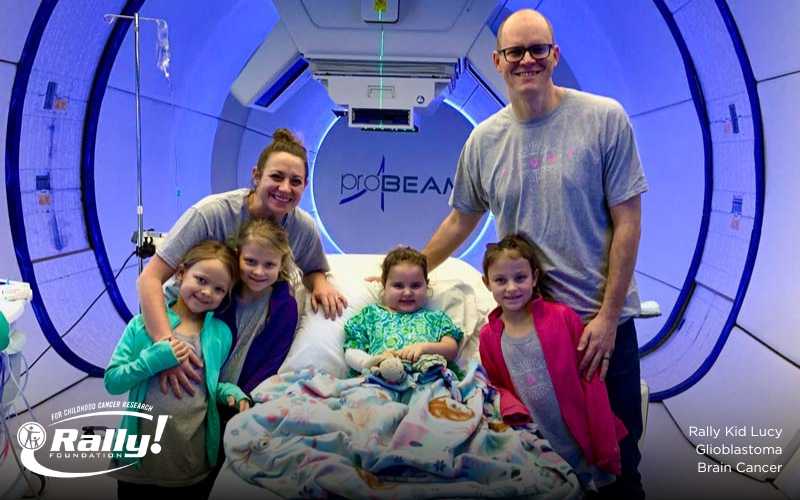
“Glioma” is a general term for a group of tumors that begin in glial cells—the supporting cells of the brain. Gliomas are classified based on their location and by the type of glial cell—astrocytes, oligodendrocytes or ependymocytes—from which they arise. Thus, many different types of brain tumors are classified as gliomas, like astrocytomas, oligodendrogliomas, ependymomas, brain stem gliomas and glioblastomas. About half of all pediatric brain and spinal cord tumors are gliomas. Gliomas are...
What is Acute Lymphoblastic Leukemia (ALL)?
Acute lymphoblastic leukemia, also called acute lymphocytic leukemia, or ALL for short, is a type of blood cancer that causes bone marrow to overproduce a type of white blood cells called lymphoblasts. ALL is the most common type of cancer that affects kids, accounting for roughly 30% of all cases of childhood cancer. Lymphoblasts are immature white blood cells that are responsible for identifying and destroying foreign invaders like bacteria and viruses. When someone has ALL, the bone marrow...
What is Retinoblastoma?
In simple terms, retinoblastoma is an eye cancer that develops in the immature cells of the retina. Though it is rare—with approximately 300 children diagnosed in the U.S. each year—it is the most common eye cancer in children. This malignant intraocular cancer rarely occurs in adults. Retinoblastoma can occur in one or both eyes and is caused by genetic mutations in the nerve cells of the retina. The retina is comprised of nerve tissue and is the part of the eye that’s responsible for sensing...

What is Wilms Tumor?
Wilms tumor is a type of kidney cancer that primarily develops in children around the ages of three and four. It’s the most common type of kidney cancer found in kids. Approximately 9 out of 10 kidney cancers in children are Wilms tumors, sometimes known as nephroblastoma. There are two types of Wilms tumors that are classified by their histology, or how they look microscopically: favorable histology and anaplastic histology. A Wilms tumor with favorable histology means that, while the tumor...

Cancer in Teens and Young Adults
Childhood cancer is a big problem. In the U.S. alone, 46 children are diagnosed with cancer every school day. But it doesn’t just affect school-age children -- babies, teens, and young adults can get childhood cancer, too. In the last 20 years, thanks to research, many more young children and older adults are surviving their cancers. But that’s not the case for teens and young adults. Teens and young adults are unique. Their cancers are different, their bodies are different, and they face...
What is Acute Myeloid Leukemia (AML)?
Acute myeloid leukemia (AML) is a blood cancer of the myeloid cells that normally form white blood cells, red blood cells or platelets. AML originates in the bone marrow, where the leukemia cells build up and overcrowd normal cells. The leukemia cells often move into the bloodstream fairly quickly. AML is the second most common form of childhood leukemia, after acute lymphoblastic leukemia (ALL). AML is much more common in adults versus children; the average age of diagnosis is 68. There are...