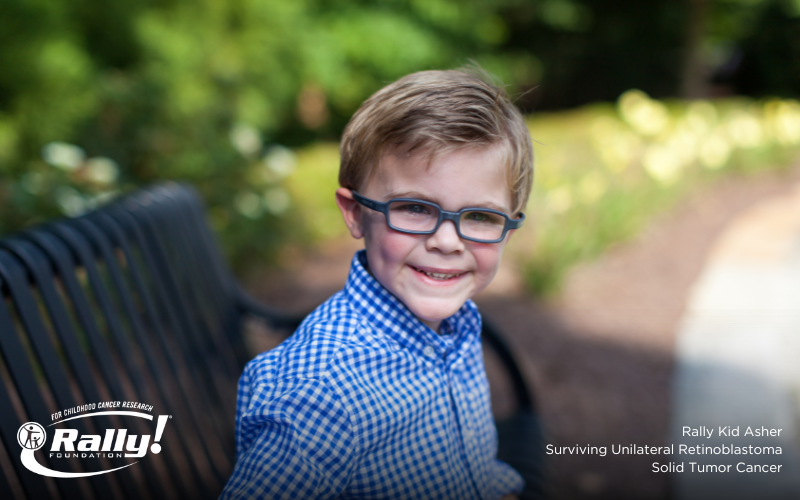
What is Retinoblastoma?
In simple terms, retinoblastoma is an eye cancer that develops in the immature cells of the retina. Though it is rare—with approximately 300 children diagnosed in the U.S. each year—it is the most common eye cancer in children. This malignant intraocular cancer rarely occurs in adults. Retinoblastoma can occur in one or both eyes and is caused by genetic mutations in the nerve cells of the retina. The retina is comprised of nerve tissue and is the part of the eye that’s responsible for sensing light and signaling the brain through the optic nerve to interpret that light as images. The risk for this type of cancer can be hereditary if one or both parents carry a mutated gene. Hereditary retinoblastoma tends to present in both eyes and often appears at an earlier age. Retinoblastoma is typically found in children under age five, with the average age of diagnosis being 18 months old. Boys...

What is Wilms Tumor?
Wilms tumor is a type of kidney cancer that primarily develops in children around the ages of three and four. It’s the most common type of kidney cancer found in kids. Approximately 9 out of 10 kidney cancers in children are Wilms tumors, sometimes known as nephroblastoma. There are two types of Wilms tumors that are classified by their histology, or how they look microscopically: favorable histology and anaplastic histology. A Wilms tumor with favorable histology means that, while the tumor isn’t normal, the cells aren’t too large or distorted and the patient will typically have a better prognosis. Anaplastic histology means that the cancer cells vary greatly and have large, distorted nuclei. This is called anaplasia and is harder to treat than tumors with favorable histology. Signs and Symptoms of Wilms Tumor Common signs and symptoms of Wilms tumor are masses in the abdomen and...
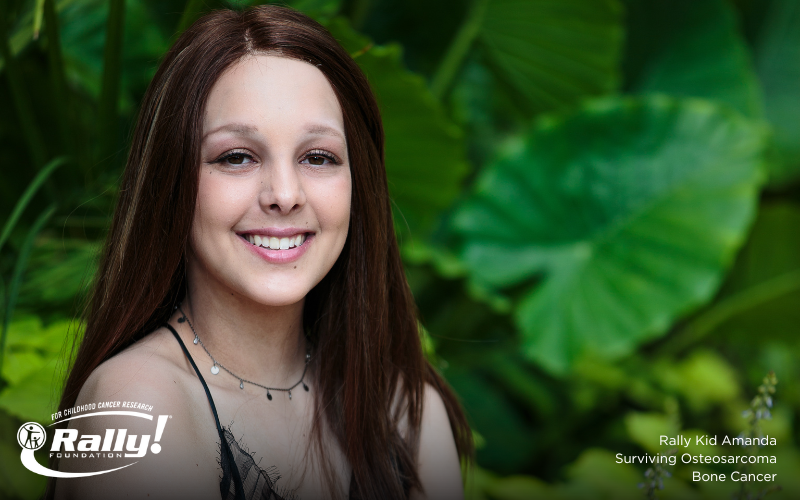
Cancer in Teens and Young Adults
Childhood cancer is a big problem. In the U.S. alone, 46 children are diagnosed with cancer every school day. But it doesn’t just affect school-age children -- babies, teens, and young adults can get childhood cancer, too. In the last 20 years, thanks to research, many more young children and older adults are surviving their cancers. But that’s not the case for teens and young adults. Teens and young adults are unique. Their cancers are different, their bodies are different, and they face different challenges than their younger and older counterparts. Here’s a closer look at how cancer affects this age group. Common Cancers in Teens and Young Adults The most common cancers for teens and young adults up to age 25 are blood cancers (leukemia and lymphoma), thyroid cancer, and testicular cancer. Other common cancers in teens and young adults include: Brain tumors Bone cancer Cervical...
What is Acute Myeloid Leukemia (AML)?
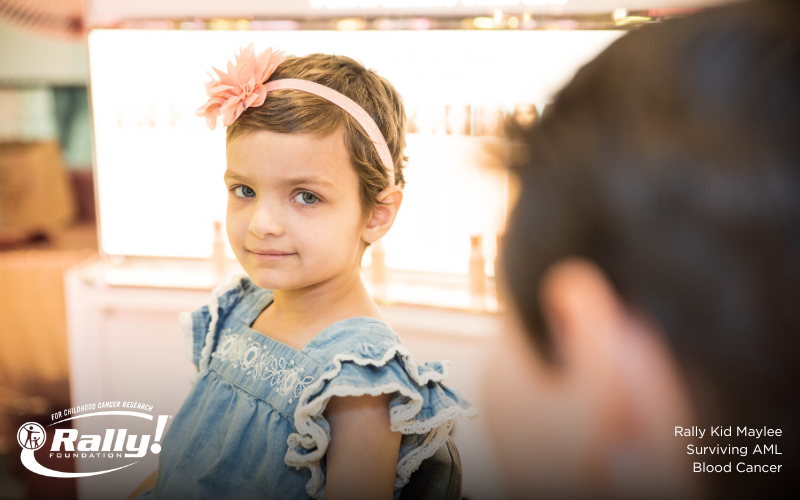
Acute myeloid leukemia (AML) is a blood cancer of the myeloid cells that normally form white blood cells, red blood cells or platelets. AML originates in the bone marrow, where the leukemia cells build up and overcrowd normal cells. The leukemia cells often move into the bloodstream fairly quickly. AML is the second most common form of childhood leukemia, after acute lymphoblastic leukemia (ALL). AML is much more common in adults versus children; the average age of diagnosis is 68. There are only about 500 childhood AML cases in the U.S. each year, compared to more than 19,000 in adults. Alternatively, far more children are diagnosed with ALL compared to adults. Down syndrome is associated with a higher risk of both ALL and AML in children. AML is more sensitive to chemotherapy in children with Down syndrome compared to those without, which leads to a better prognosis—especially if the...
Childhood Cancer Awareness Month 2025
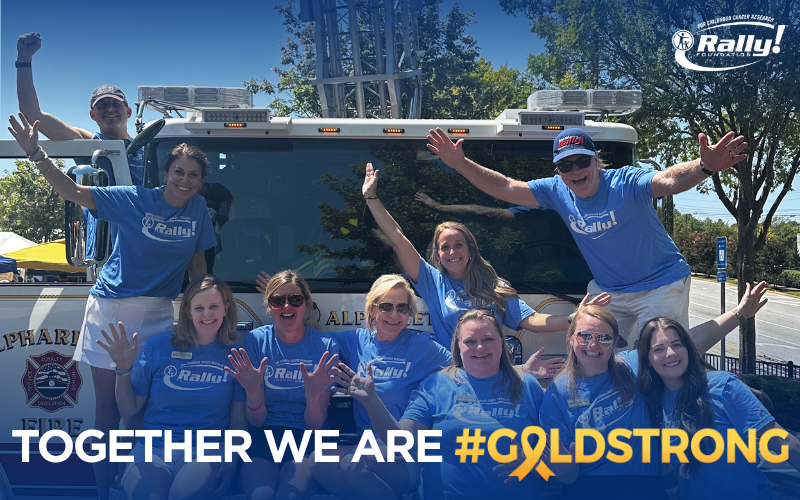
September is Childhood Cancer Awareness Month — and this year, Rally Foundation for Childhood Cancer Research is celebrating 20 years of impact! We have an incredible lineup of events and activities planned all month long to raise awareness and critical funds for childhood cancer research. Join us in making this milestone year one to remember. Check back often to see new events as they are added throughout September. Click the buttons below to see what’s happening nationwide and in specific cities.National Campaigns for the month of September: All Through September: #GOLDSTRONG: This is the universal trademarked hashtag for childhood cancer and the entire community is invited to use Please use #GOLDSTRONG all month and all year. 47 Faces of Rally: This campaign honors those 47 children who are diagnosed with cancer every This fundraiser is a powerful way for Rally Kids and their...

What’s One Hour of Your Time Worth?
Some people think of volunteering as a nice gesture. But in the fight against childhood cancer, it’s a lifeline. Volunteers are the heartbeat of progress. They show up at events, assist families, run logistics and keep things moving behind the scenes. But beyond the tasks, they bring something deeper: presence. Their message —without ever saying a word— is simple and powerful: “You’re not alone.” There’s no one way to volunteer — and no “perfect” type of person needed. If you care, you’re qualified. Whether you want to help once a year or once a week, there’s a place for you: Event Support: Greet guests, manage registration or help with set-up at a Rally fundraiser. Skill-Based Volunteering: Use your talents — photography, design, writing, tech — to amplify our mission. Youth & Group Involvement: Rally your school, team or faith group for a shared service project. Ambassador Roles:...
What is Retinoblastoma?
In simple terms, retinoblastoma is an eye cancer that develops in the immature cells of the retina. Though it is rare—with approximately 300 children diagnosed in the U.S. each year—it is the most common eye cancer in children. This malignant intraocular cancer rarely occurs in adults. Retinoblastoma can occur in one or both eyes and is caused by genetic mutations in the nerve cells of the retina. The retina is comprised of nerve tissue and is the part of the eye that’s responsible for sensing...
What is Wilms Tumor?
Wilms tumor is a type of kidney cancer that primarily develops in children around the ages of three and four. It’s the most common type of kidney cancer found in kids. Approximately 9 out of 10 kidney cancers in children are Wilms tumors, sometimes known as nephroblastoma. There are two types of Wilms tumors that are classified by their histology, or how they look microscopically: favorable histology and anaplastic histology. A Wilms tumor with favorable histology means that, while the tumor...
Cancer in Teens and Young Adults
Childhood cancer is a big problem. In the U.S. alone, 46 children are diagnosed with cancer every school day. But it doesn’t just affect school-age children -- babies, teens, and young adults can get childhood cancer, too. In the last 20 years, thanks to research, many more young children and older adults are surviving their cancers. But that’s not the case for teens and young adults. Teens and young adults are unique. Their cancers are different, their bodies are different, and they face...
What is Acute Myeloid Leukemia (AML)?
Acute myeloid leukemia (AML) is a blood cancer of the myeloid cells that normally form white blood cells, red blood cells or platelets. AML originates in the bone marrow, where the leukemia cells build up and overcrowd normal cells. The leukemia cells often move into the bloodstream fairly quickly. AML is the second most common form of childhood leukemia, after acute lymphoblastic leukemia (ALL). AML is much more common in adults versus children; the average age of diagnosis is 68. There are...
Childhood Cancer Awareness Month 2025
September is Childhood Cancer Awareness Month — and this year, Rally Foundation for Childhood Cancer Research is celebrating 20 years of impact! We have an incredible lineup of events and activities planned all month long to raise awareness and critical funds for childhood cancer research. Join us in making this milestone year one to remember. Check back often to see new events as they are added throughout September. Click the buttons below to see what’s happening nationwide and in specific...
What’s One Hour of Your Time Worth?
Some people think of volunteering as a nice gesture. But in the fight against childhood cancer, it’s a lifeline. Volunteers are the heartbeat of progress. They show up at events, assist families, run logistics and keep things moving behind the scenes. But beyond the tasks, they bring something deeper: presence. Their message —without ever saying a word— is simple and powerful: “You’re not alone.” There’s no one way to volunteer — and no “perfect” type of person needed. If you care, you’re...