What’s One Hour of Your Time Worth?
Some people think of volunteering as a nice gesture. But in the fight against childhood cancer, it’s a lifeline. Volunteers are the heartbeat of progress. They show up at events, assist families, run logistics and keep things moving behind the scenes. But beyond the tasks, they bring something deeper: presence. Their message —without ever saying a word— is simple and powerful: “You’re not alone.” There’s no one way to volunteer — and no “perfect” type of person needed. If you care, you’re qualified. Whether you want to help once a year or once a week, there’s a place for you: Event Support: Greet guests, manage registration or help with set-up at a Rally fundraiser. Skill-Based Volunteering: Use your talents — photography, design, writing, tech — to amplify our mission. Youth & Group Involvement: Rally your school, team or faith group for a shared service project. Ambassador Roles:...
What is Ewing Sarcoma?
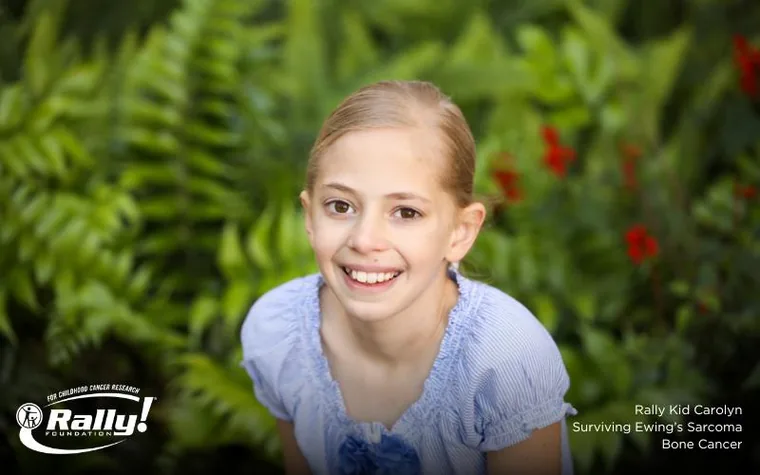
Ewing Sarcoma Defined Ewing sarcoma is a cancerous bone tumor that affects children, adolescent and young adults—usually developing during puberty between the ages of 10 and 20 years old. Approximately 87% of Ewing sarcomas are in the long bone, meaning the arm, thigh, shin and pelvis. On rare occasion, Ewing sarcomas can occur in soft tissue like cartilage or nerves. These are called pPNET tumors and can be found in the nerve tissue in many parts of the body; if a pPNET is found in the chest, it is called an Askin tumor. Ewing Sarcoma Symptoms The most common symptom of Ewing sarcoma is pain and swelling at the site of the tumor that hasn’t gotten better after a couple of weeks. There also can be fever, stiffness and a lump that is warm and soft when touched. Sometimes a bone will break without cause. Symptoms can also include limping if it is in the leg or trouble breathing if it is...
What is Rhabdomyosarcoma?
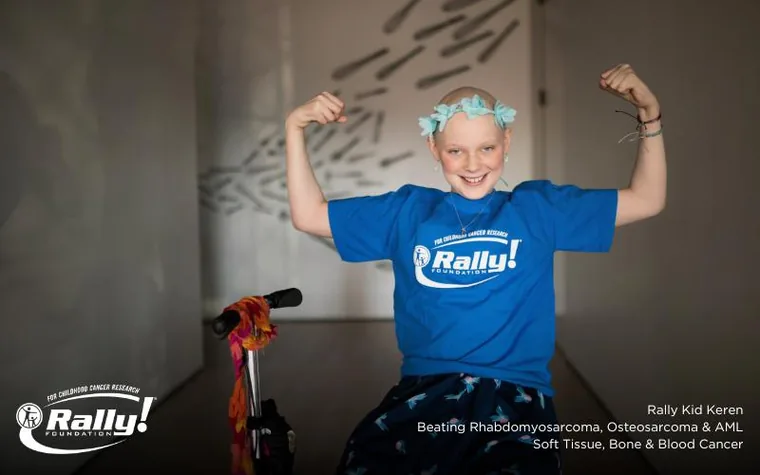
Rhabdomyosarcoma (RMS) is a type of soft tissue cancer that most commonly affects children and adolescents. It’s often found in skeletal muscle tissue or organs, such as the head and neck area, the urinary system, the reproductive system or appendages like the arms and legs. Rhabdomyosarcoma is part of a larger grouping of cancers called sarcomas which emerge in the body’s connective tissues, like muscles, fat, bones, blood vessels and joints. There are 50 different types of sarcomas. There are only two main types of rhabdomyosarcoma: embryonal rhabdomyosarcoma (ERMS) and alveolar rhabdomyosarcoma (ARMS). Embryonal rhabdomyosarcoma generally occurs in children under the age of 10. It is the most common type of rhabdomyosarcoma and is typically found in the head, neck, urinary tract or reproductive organs. Alveolar rhabdomyosarcoma is more common in adolescents and young adults, and it...
What Is Osteosarcoma?
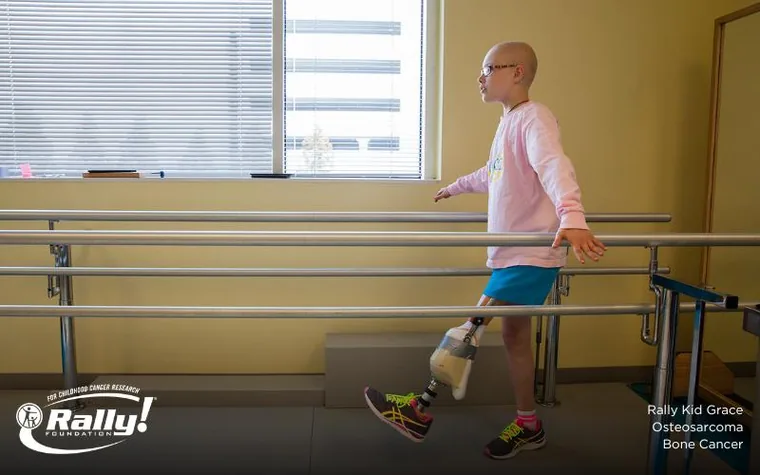
Osteosarcoma is the most common type of bone cancer in children and adolescents. The tumor often originates in the long bones of the body, and while osteosarcoma frequently starts in a particular bone, it can potentially move to other sites in the body, such as the lungs and other bones. This movement, known as metastasis, makes the disease more difficult to treat. “For patients that present with no evidence of metastatic or disseminated disease, the overall prognosis is about 70-75%,” said Jason Yustein, MD, PhD, Director of the Faris D. Virani Ewing Sarcoma Center and Assistant Professor in the Department of Pediatrics, Section of Hematology/Oncology, at Baylor College of Medicine. “Unfortunately, for those patients diagnosed with metastatic disease, the long-term prognosis is only 20-30%, and for those that relapse the expected outcomes can be even worse.” Besides the significantly...
Rally Is Proud to Award $300,000 to These Outside the Box Grant Recipients!
Breakthroughs happen — in science, in medicine and especially in childhood cancer research — with outside-the-box thinking. At Rally Foundation, we believe that bold ideas deserve a chance, and each one may be that next big breakthrough. That’s why we created the Outside the Box Grant. We want to fund innovative, early-stage research to challenge the status quo and inspire new discoveries. Each year, the focus of this grant shifts to meet emerging needs in childhood cancer research. For 2025, we invited researchers to explore two specific areas: Integrative or complementary therapies that ease the physical, psychological or social burdens of cancer and its treatment. Nutrition and/or supplements — like probiotics — that improve quality of life during treatment by reducing side effects such as nausea, mucositis or chemo toxicity. Previous Outside the Box Grants have focused on...
Rally Is Excited to Announce $1.2M in Funding for Career Development Awards
At Rally, we believe that innovative research begins with innovative researchers. That’s why we are thrilled to announce the recipients of our Rally Career Development Awards, an investment of $1,250,000 in the future of childhood cancer research. So, what is a Rally Career Development Award? This award targets early-career investigators. In their first independent faculty appointment, they are transitioning from mentorship to launching their own research labs, publishing their own findings and applying for major research grants. It’s a pivotal moment — and Rally is stepping in to help. The Rally Career Development Award provides $100,000 per year for three years, giving these trailblazers protected research time and the funding they need to pursue bold ideas that could change the future for kids with cancer. Meet this year’s Rally Career Development Award recipients: The Children’s...
What’s One Hour of Your Time Worth?
Some people think of volunteering as a nice gesture. But in the fight against childhood cancer, it’s a lifeline. Volunteers are the heartbeat of progress. They show up at events, assist families, run logistics and keep things moving behind the scenes. But beyond the tasks, they bring something deeper: presence. Their message —without ever saying a word— is simple and powerful: “You’re not alone.” There’s no one way to volunteer — and no “perfect” type of person needed. If you care, you’re...
What is Ewing Sarcoma?
Ewing Sarcoma Defined Ewing sarcoma is a cancerous bone tumor that affects children, adolescent and young adults—usually developing during puberty between the ages of 10 and 20 years old. Approximately 87% of Ewing sarcomas are in the long bone, meaning the arm, thigh, shin and pelvis. On rare occasion, Ewing sarcomas can occur in soft tissue like cartilage or nerves. These are called pPNET tumors and can be found in the nerve tissue in many parts of the body; if a pPNET is found in the chest,...
What is Rhabdomyosarcoma?
Rhabdomyosarcoma (RMS) is a type of soft tissue cancer that most commonly affects children and adolescents. It’s often found in skeletal muscle tissue or organs, such as the head and neck area, the urinary system, the reproductive system or appendages like the arms and legs. Rhabdomyosarcoma is part of a larger grouping of cancers called sarcomas which emerge in the body’s connective tissues, like muscles, fat, bones, blood vessels and joints. There are 50 different types of sarcomas. There...
What Is Osteosarcoma?
Osteosarcoma is the most common type of bone cancer in children and adolescents. The tumor often originates in the long bones of the body, and while osteosarcoma frequently starts in a particular bone, it can potentially move to other sites in the body, such as the lungs and other bones. This movement, known as metastasis, makes the disease more difficult to treat. “For patients that present with no evidence of metastatic or disseminated disease, the overall prognosis is about 70-75%,” said...
Rally Is Proud to Award $300,000 to These Outside the Box Grant Recipients!
Breakthroughs happen — in science, in medicine and especially in childhood cancer research — with outside-the-box thinking. At Rally Foundation, we believe that bold ideas deserve a chance, and each one may be that next big breakthrough. That’s why we created the Outside the Box Grant. We want to fund innovative, early-stage research to challenge the status quo and inspire new discoveries. Each year, the focus of this grant shifts to meet emerging needs in childhood cancer research. For 2025,...
Rally Is Excited to Announce $1.2M in Funding for Career Development Awards
At Rally, we believe that innovative research begins with innovative researchers. That’s why we are thrilled to announce the recipients of our Rally Career Development Awards, an investment of $1,250,000 in the future of childhood cancer research. So, what is a Rally Career Development Award? This award targets early-career investigators. In their first independent faculty appointment, they are transitioning from mentorship to launching their own research labs, publishing their own findings...