What is a Blood Transfusion?
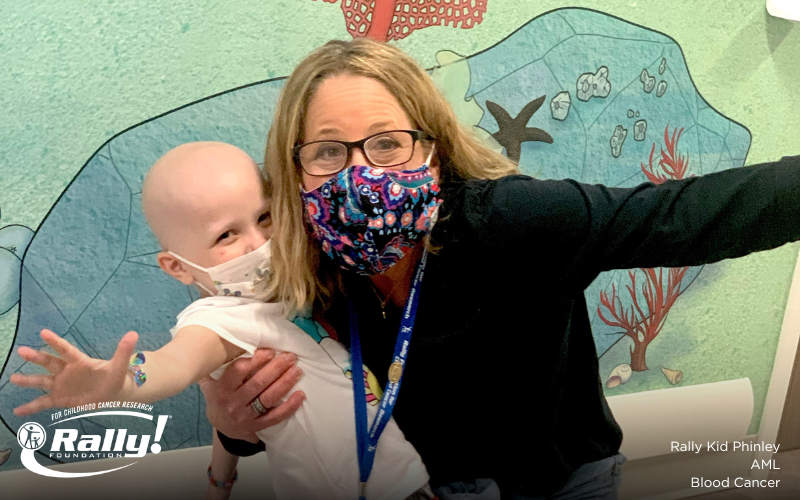
A blood transfusion is a routine medical procedure to transfer blood (or a specific component of blood) from one person to another. Blood...
What is Charity Navigator?
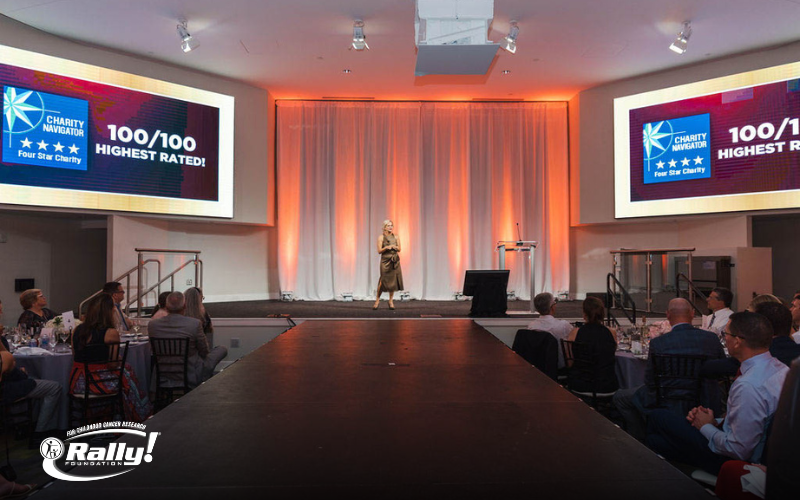
When you are in the market for a new refrigerator, you ask your neighbors and friends for recommendations, and maybe even consult Consumer...
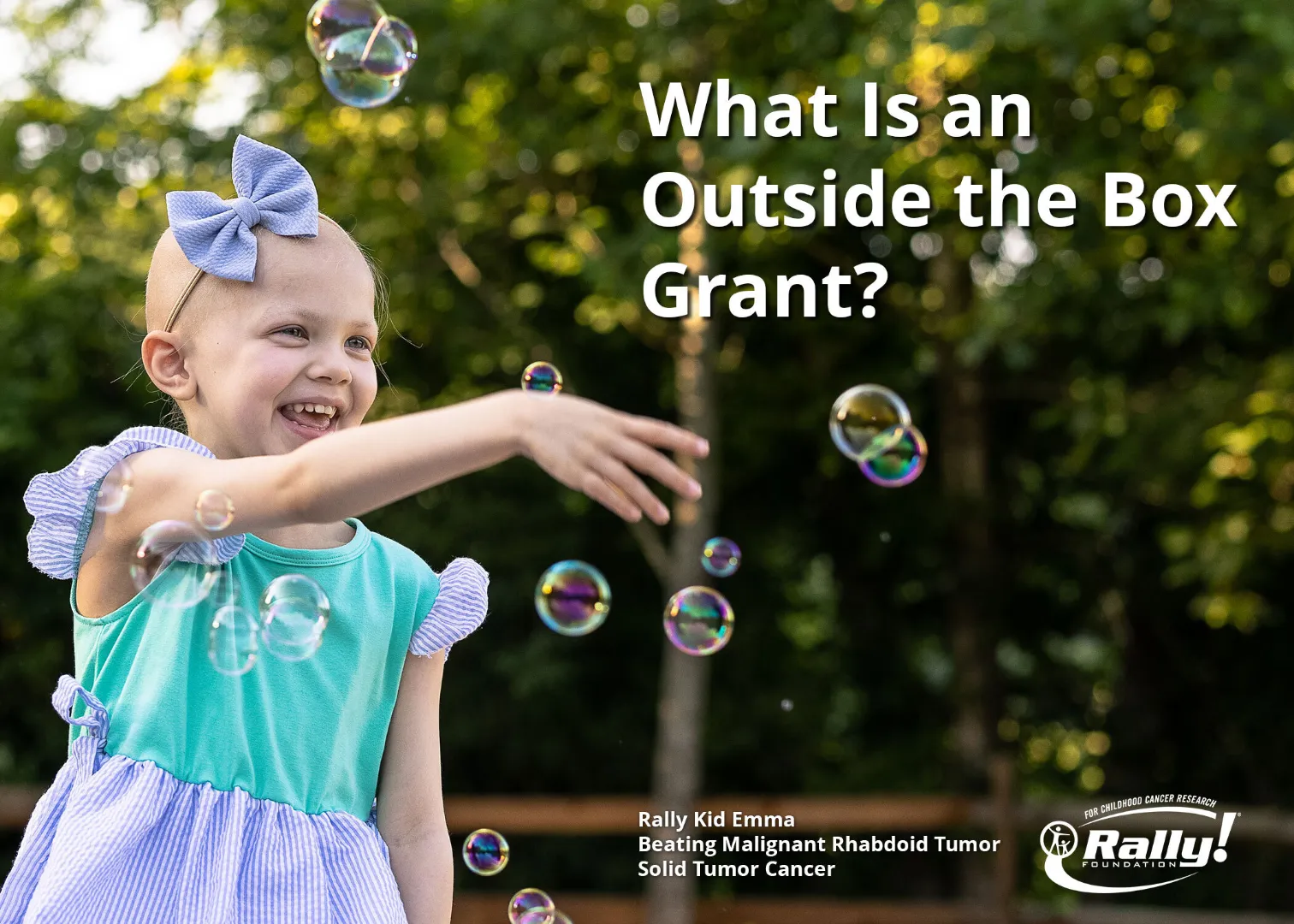
What Is an Outside the Box Grant?
What Is an Outside the Box Grant? Outside the box thinking is critical for progress in any field. For childhood cancer, outside the box...
What is OSI Connect?
OSI Connect is a free, easy-to-use, invaluable resource for those diagnosed with osteosarcoma Osteosarcoma is a difficult and frightening...
What is a Free DIPG Nurse Navigator?
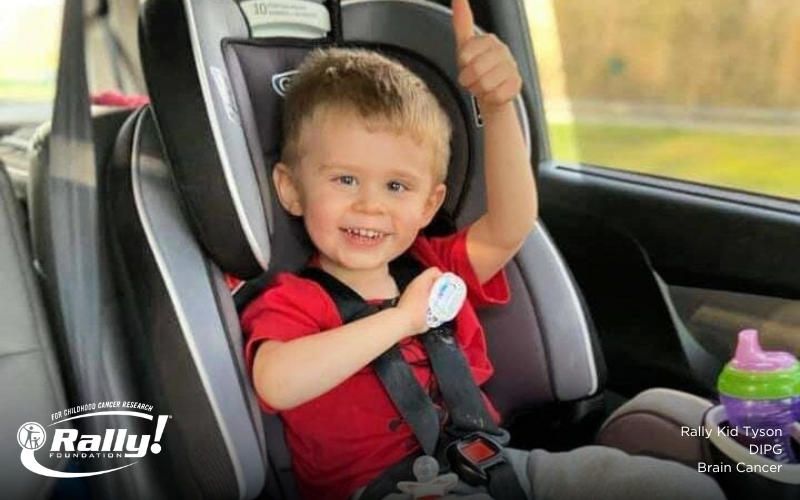
Rally Kid Tyson (Image Above), brain cancer (2016-2020)Tyson was just two and a half years old when he was diagnosed with DIPG You Are Not...
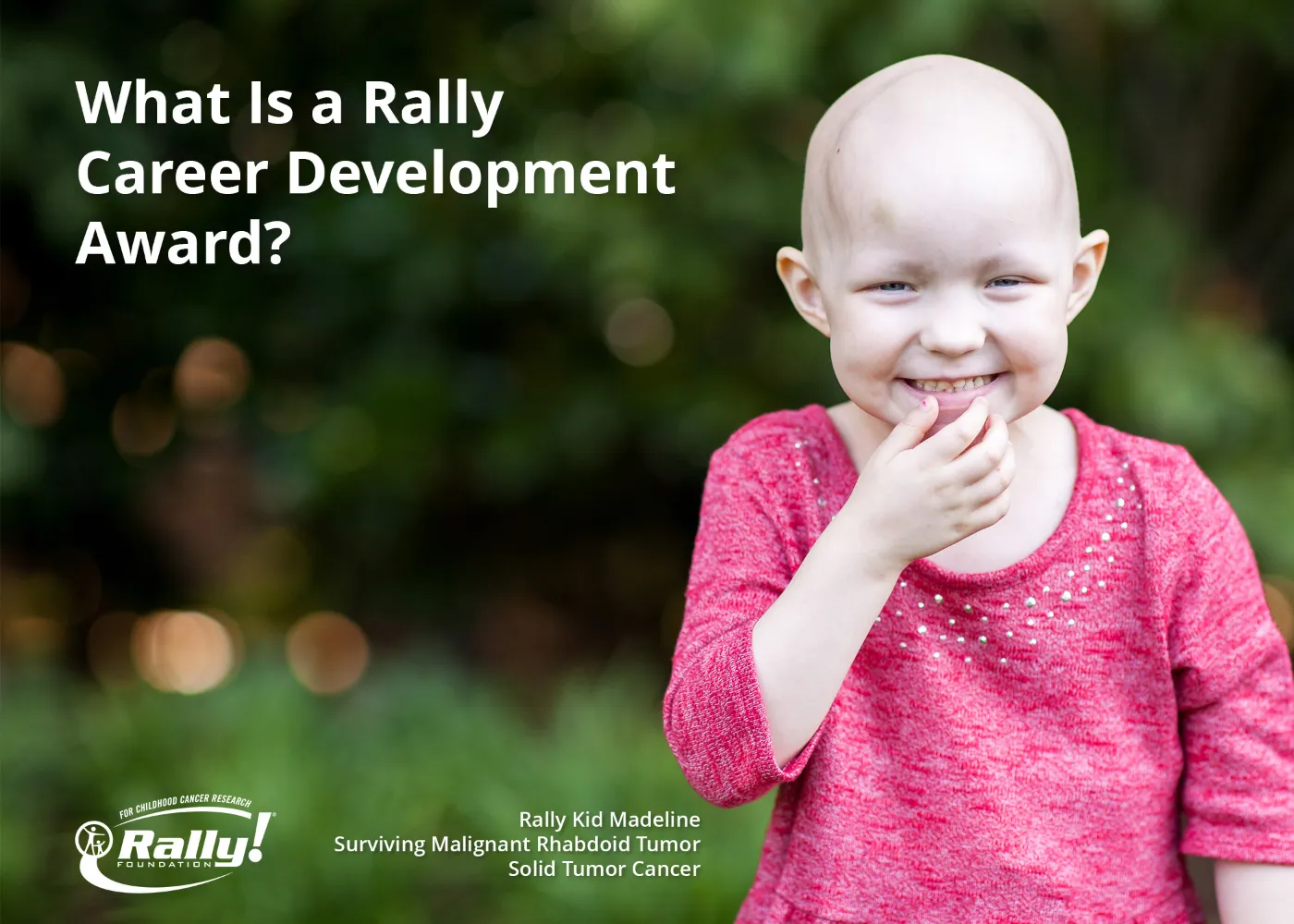
What Is a Rally Career Development Award?
Career development awards are important. But why? Investigators in their first independent faculty appointment are at a critical career...
What Is a Consortium Grant?
What exactly is a consortium? Let us explain. Rally Foundation for Childhood Cancer Research (Rally) defines a consortium as three or more...
What is an Astrocytoma?
An astrocytoma is a brain tumor that begins in astrocytes—a type of glial cell that supports nerve cells in the brain. Astrocytomas can be...
What is Langerhans Cell Histiocytosis (LCH)?
Langerhans cell histiocytosis (LCH) is a rare disorder in which the body produces an overabundance of Langerhans cells. These cells, which...
What Is an Independent Investigator Grant?
Independent Investigator Grants are awarded to principal investigators. Let’s begin by explaining the role of a principal investigator....
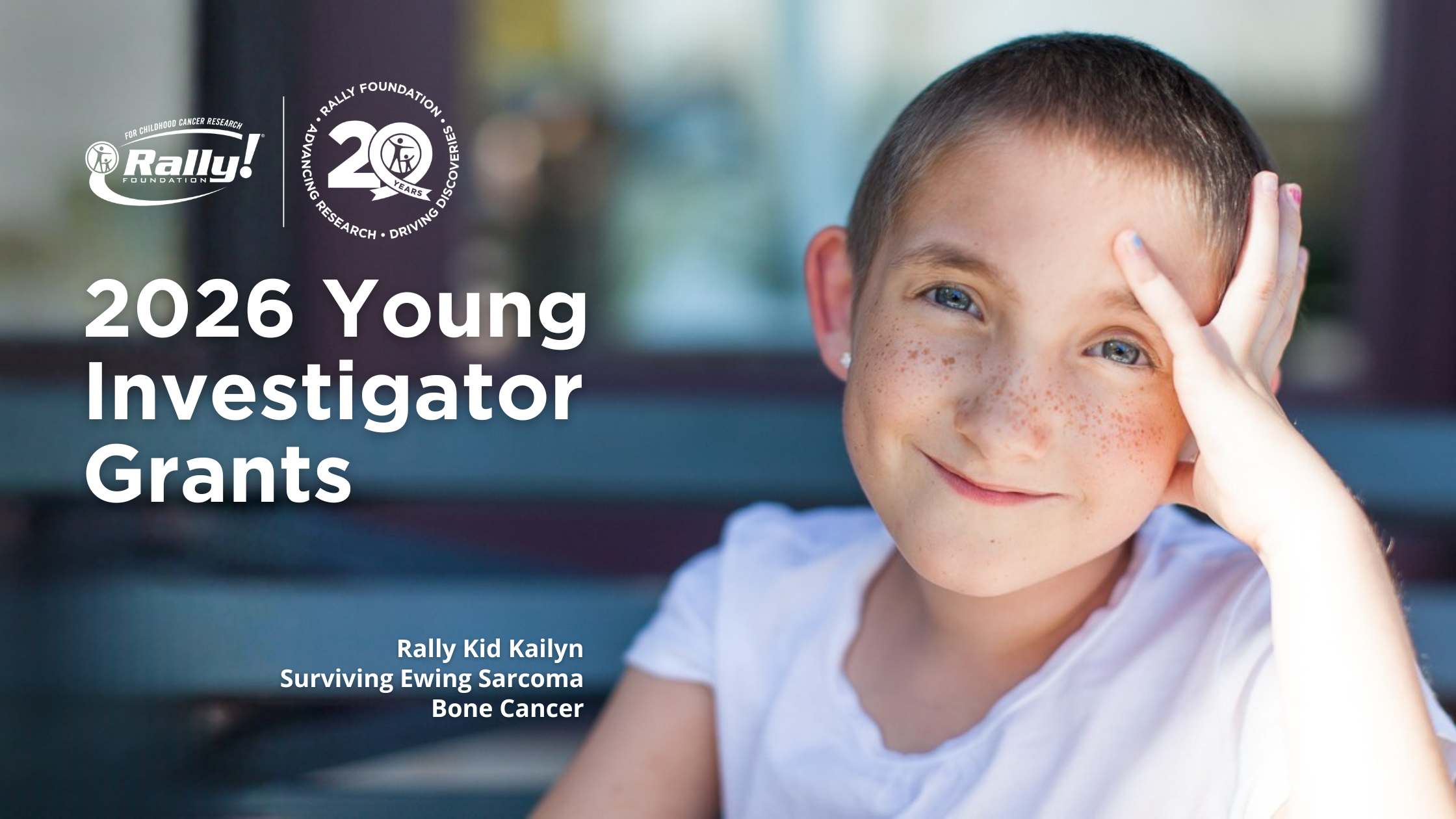
$600,000 for Rally-Funded Young Investigator Grants
We’re delighted to announce the $600,000 awarded for this year’s Young Investigator Grants, which support the next generation of childhood cancer researchers! But who exactly are these young investigators? In short, they’re bright, passionate scientists and doctors working tirelessly to find better treatments and, ultimately, cures for childhood cancer. Young investigators are typically within five years of completing their fellowship. At this crucial stage in their careers, they’re focused on...
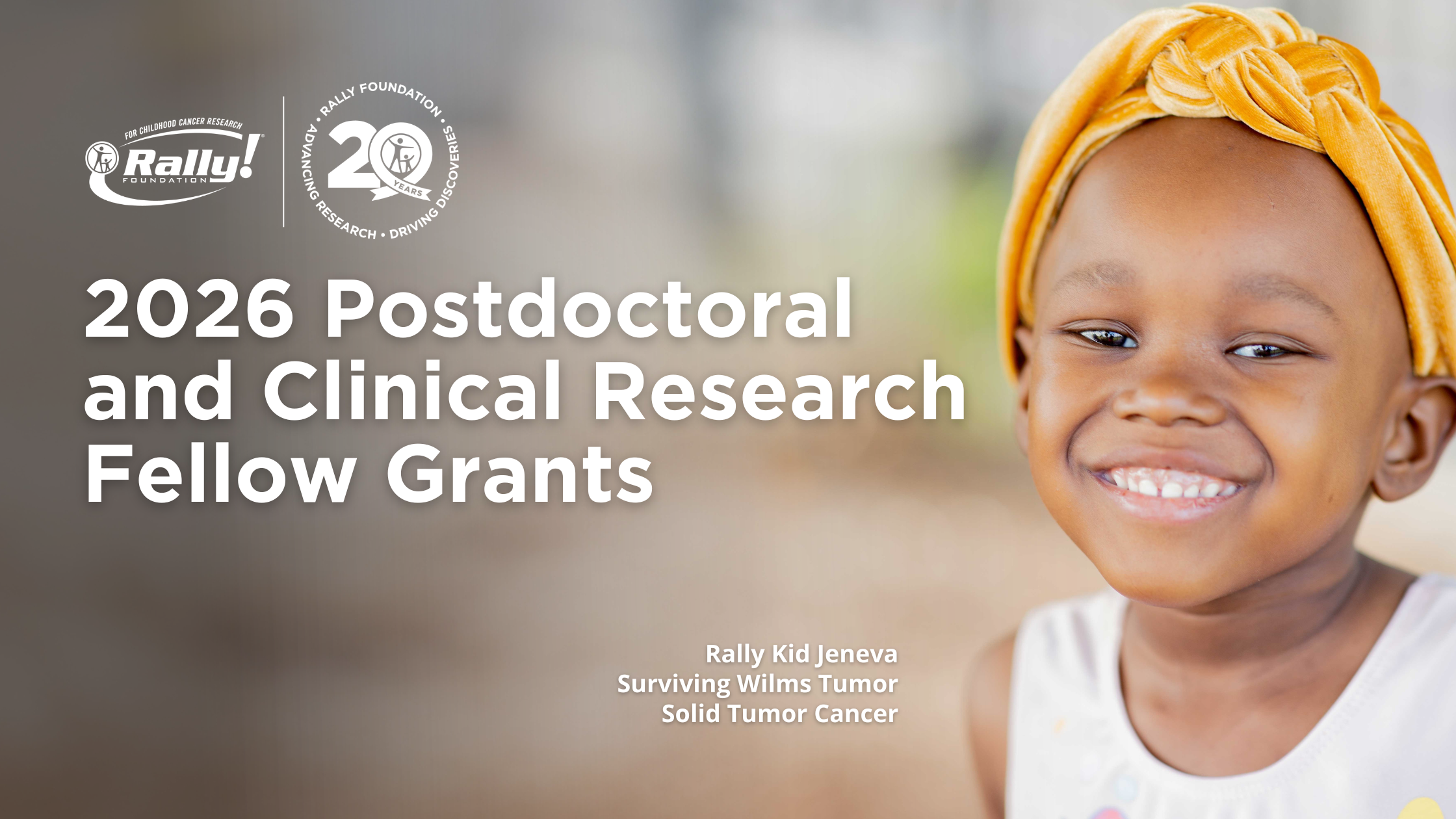
Rally Announces $850,000 for Postdoctoral and Clinical Research Fellow Grants
Rally is thrilled to announce $850,000 awarded to our 2026 Postdoctoral and Clinical Research Fellow Grants! At Rally, we know the future of pediatric cancer research lies in the hands of the next generation of researchers. Bright young minds work tirelessly to establish themselves as independent researchers in pediatric cancer. They push boundaries, seek new ideas and challenge the status quo, and Rally is here to support them. Postdoctoral and clinical research fellows are in the early...
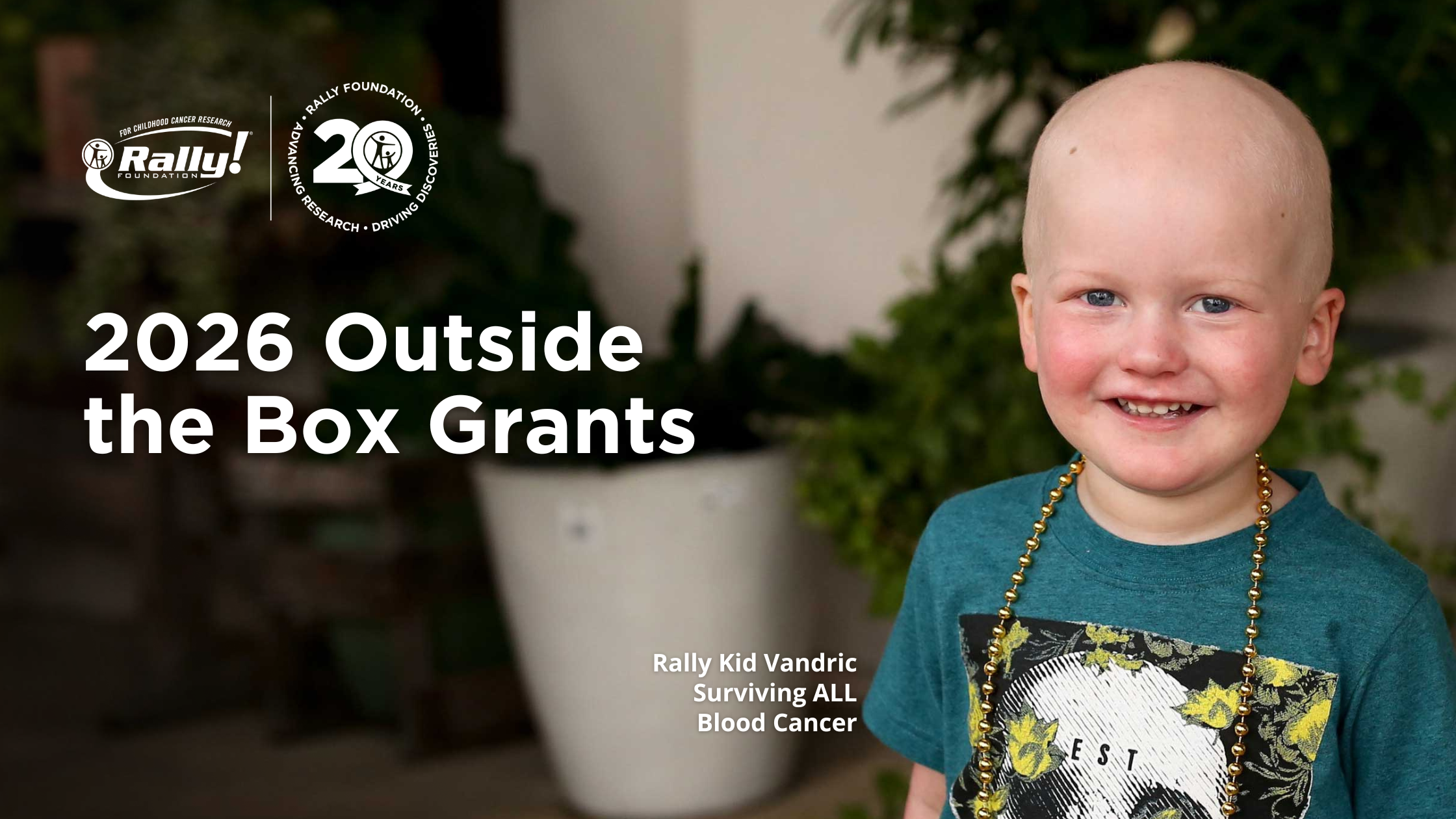
Rally Is Proud to Award $150,000 to Three Outside the Box Grants
Breakthroughs happen with outside-the-box thinking, in science, in medicine and especially in childhood cancer research. At Rally Foundation, we believe that bold ideas deserve a chance, and each one may be that next big breakthrough. That’s why we created the Outside the Box Grant. We want to fund innovative, early-stage research to challenge the status quo and inspire new discoveries. Each year, the focus of this grant shifts to meet emerging needs in childhood cancer research. For 2026, we...
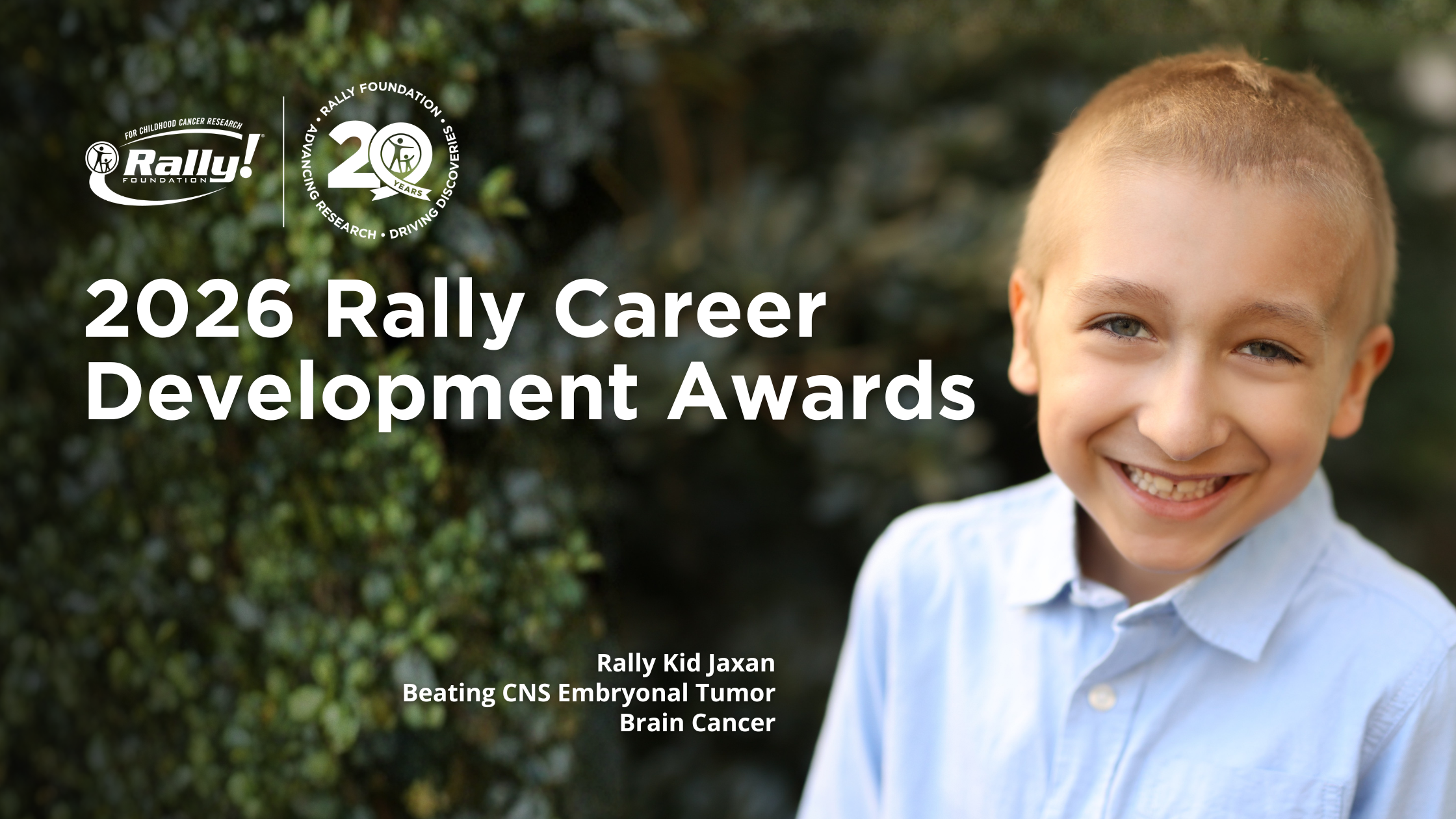
Rally Is Excited to Announce $1.4M in Funding for Career Development Awards
At Rally, we believe that innovative research begins with innovative researchers. That’s why we are thrilled to announce the recipients of our Rally Career Development Awards, an investment of $1.4 million in the future of childhood cancer research. So, what is a Rally Career Development Award? This award targets early-career investigators. In their first independent faculty appointment, they are transitioning from mentorship to launching their own research labs, publishing their own findings...
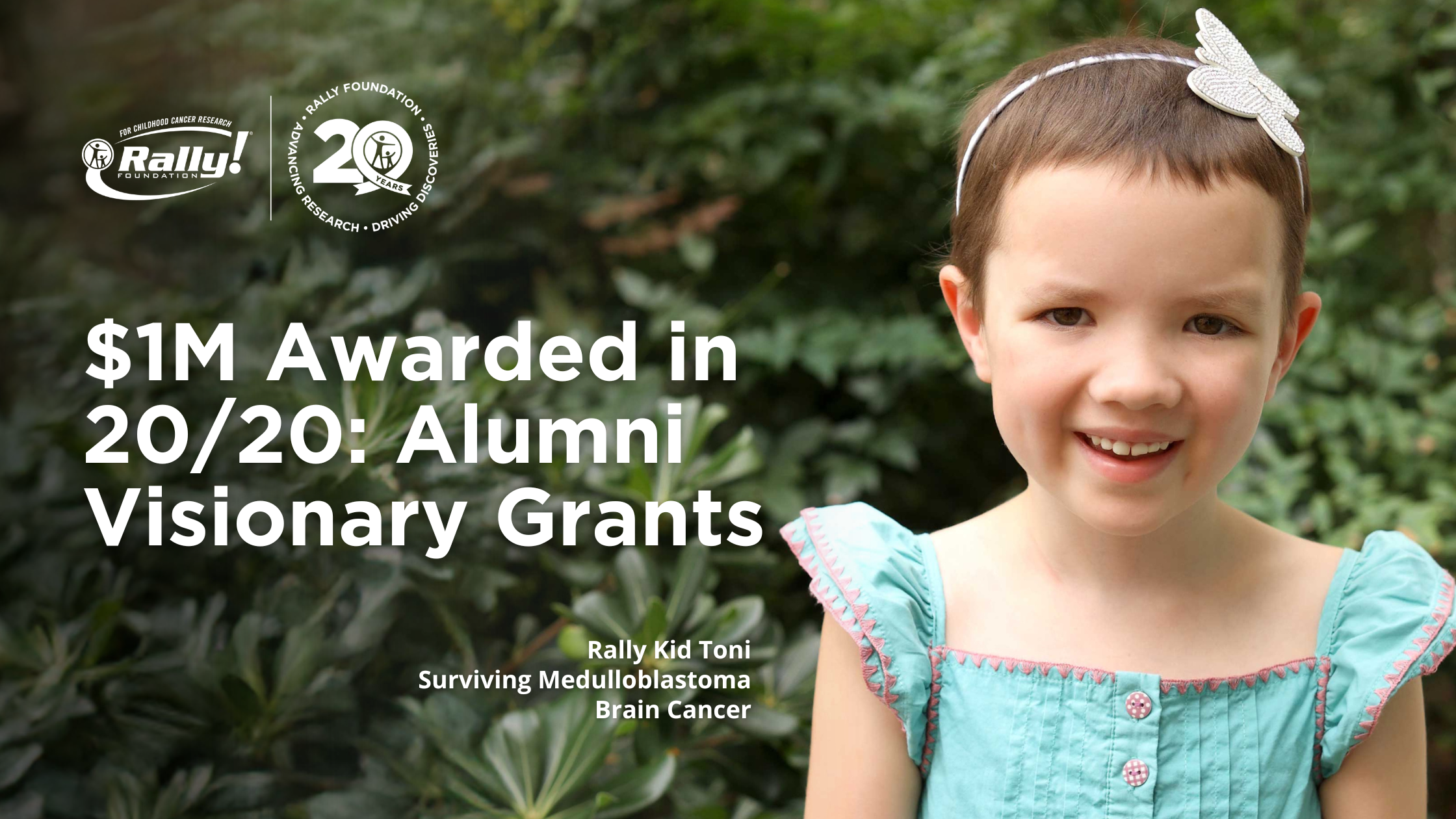
Rally Foundation Awards $1M in Grants to Celebrate 20 Years of Advancing Research and Driving Discoveries
In 2026, Rally Foundation for Childhood Cancer Research is thrilled to award $1 million in 20/20 Alumni Visionary Grants to 10 researchers across 9 U.S. institutions. For 20 years, Rally Foundation has proudly supported groundbreaking ideas, empowered early career investigators and accelerated the path from bench to bedside. To recognize Rally’s continued role as philanthropic seed investors in the next great discovery, Rally Foundation launched our 20/20: Alumni Visionary Grant. This...
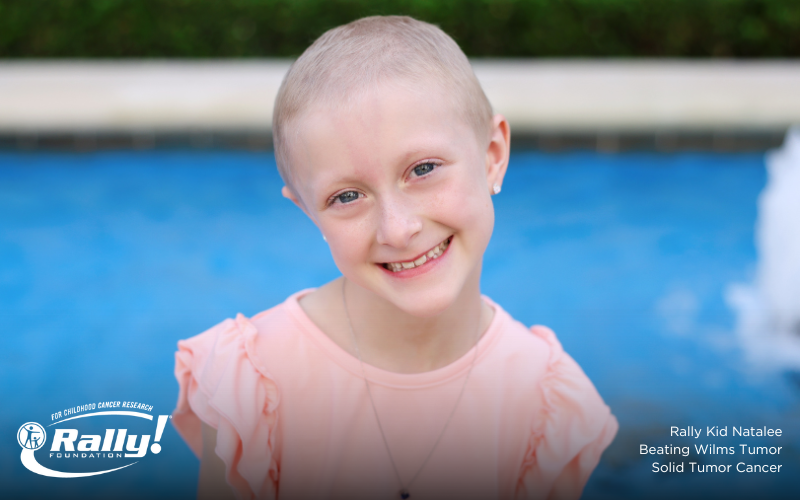
What is Chemotherapy?
You just found out that your child has cancer. And that chemotherapy is part of the treatment plan. Most everyone has heard of chemotherapy. But what is it really? Chemotherapy is any drug used to stop the growth of cancer cells. Chemotherapy is designed to either kill cells or stop them from dividing. Is there just one chemotherapy? There are many different types of chemotherapy because different chemotherapies treat different types of cancer. Sometimes your child may receive several...