In the United States, cancer is the number one disease killer of children. Yet pediatric cancer isn’t exclusive to America; it’s a global epidemic that affects more than 300,000 children around the world.
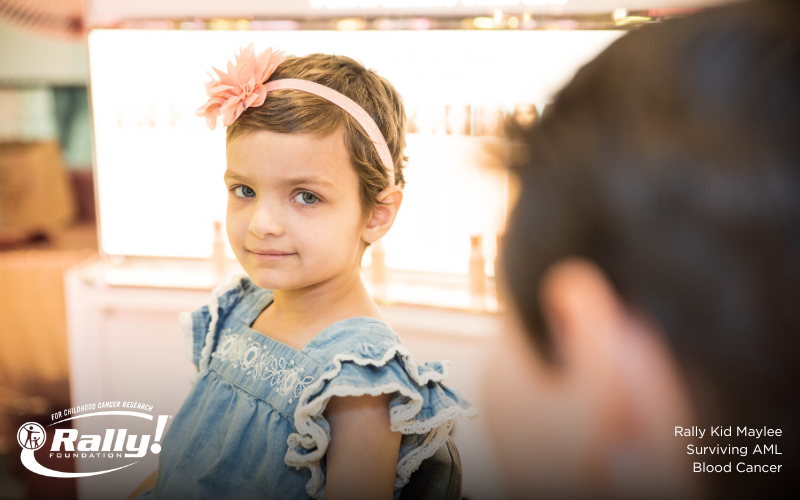
Acute myeloid leukemia (AML) is a blood cancer of the myeloid cells that normally form white blood cells, red blood cells or platelets. AML originates in the bone marrow, where the leukemia cells build up and overcrowd normal cells. The leukemia cells often move into the bloodstream fairly quickly. AML is the second most common form of childhood leukemia, after acute lymphoblastic leukemia (ALL). AML is much more common in adults versus children; the average age of diagnosis is 68. There are...
Ewing Sarcoma Defined Ewing sarcoma is a cancerous bone tumor that affects children, adolescent and young adults—usually developing during puberty between the ages of 10 and 20 years old. Approximately 87% of Ewing sarcomas are in the long bone, meaning the arm, thigh, shin and pelvis. On rare occasion, Ewing sarcomas can occur in soft tissue like cartilage or nerves. These are called pPNET tumors and can be found in the nerve tissue in many parts of the body; if a pPNET is found in the chest,...
Rhabdomyosarcoma (RMS) is a type of soft tissue cancer that most commonly affects children and adolescents. It’s often found in skeletal muscle tissue or organs, such as the head and neck area, the urinary system, the reproductive system or appendages like the arms and legs. Rhabdomyosarcoma is part of a larger grouping of cancers called sarcomas which emerge in the body’s connective tissues, like muscles, fat, bones, blood vessels and joints. There are 50 different types of sarcomas. There...
Osteosarcoma is the most common type of bone cancer in children and adolescents. The tumor often originates in the long bones of the body, and while osteosarcoma frequently starts in a particular bone, it can potentially move to other sites in the body, such as the lungs and other bones. This movement, known as metastasis, makes the disease more difficult to treat. “For patients that present with no evidence of metastatic or disseminated disease, the overall prognosis is about 70-75%,” said...
Breakthroughs happen — in science, in medicine and especially in childhood cancer research — with outside-the-box thinking. At Rally Foundation, we believe that bold ideas deserve a chance, and each one may be that next big breakthrough. That’s why we created the Outside the Box Grant. We want to fund innovative, early-stage research to challenge the status quo and inspire new discoveries. Each year, the focus of this grant shifts to meet emerging needs in childhood cancer research. For 2025,...
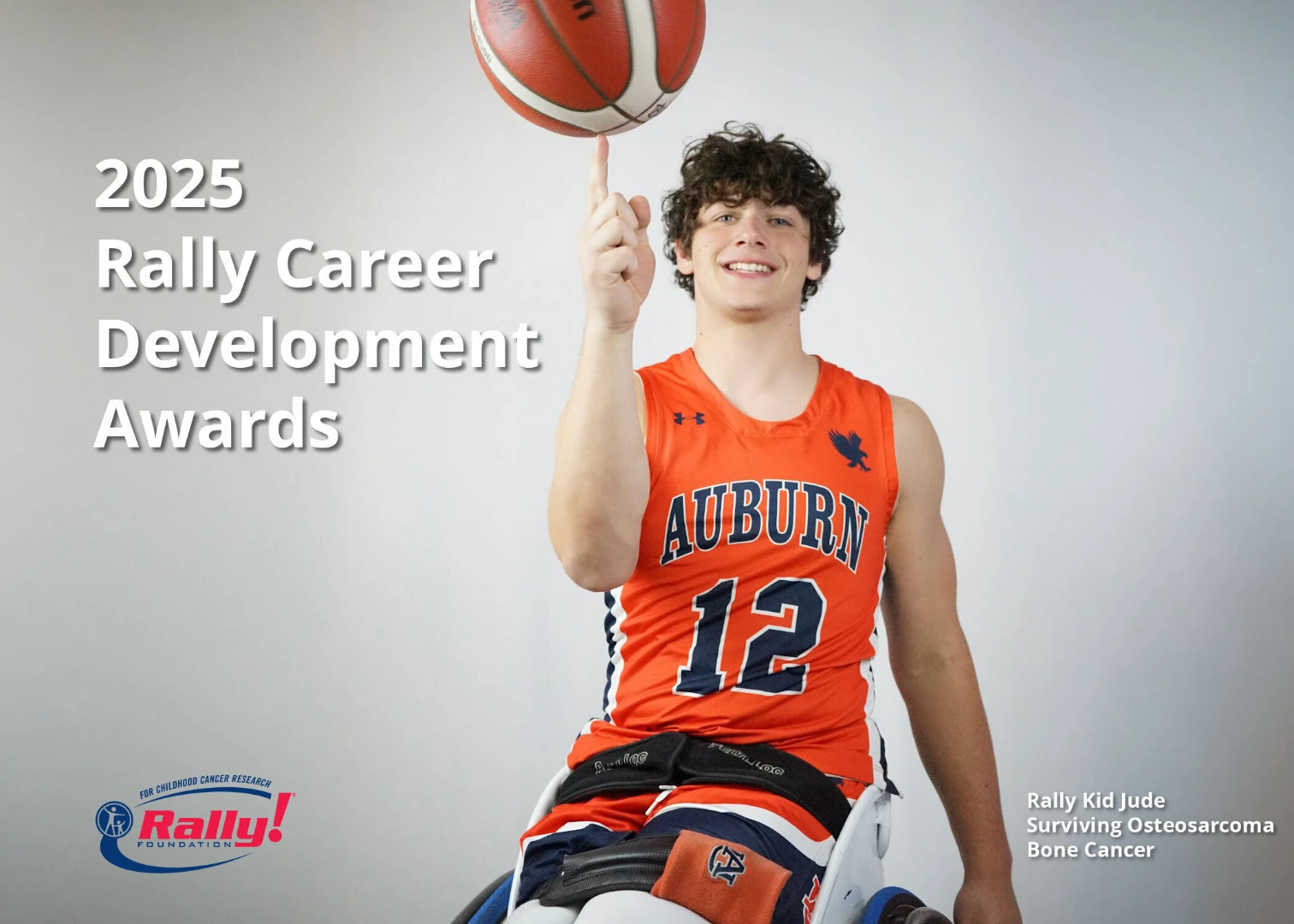
At Rally, we believe that innovative research begins with innovative researchers. That’s why we are thrilled to announce the recipients of our Rally Career Development Awards, an investment of $1,250,000 in the future of childhood cancer research. So, what is a Rally Career Development Award? This award targets early-career investigators. In their first independent faculty appointment, they are transitioning from mentorship to launching their own research labs, publishing their own findings...