A CT (or CAT) scan is a diagnostic medical imaging procedure that creates three-dimensional images of internal organs, soft tissues, blood...
An astrocytoma is a brain tumor that begins in astrocytes—a type of glial cell that supports nerve cells in the brain. Astrocytomas can be...
Langerhans cell histiocytosis (LCH) is a rare disorder in which the body produces an overabundance of Langerhans cells. These cells, which...
Lymphoma is a cancer of the body’s lymphatic (lymph) system which is essential to the immune system. The lymphatic system is made up of a...
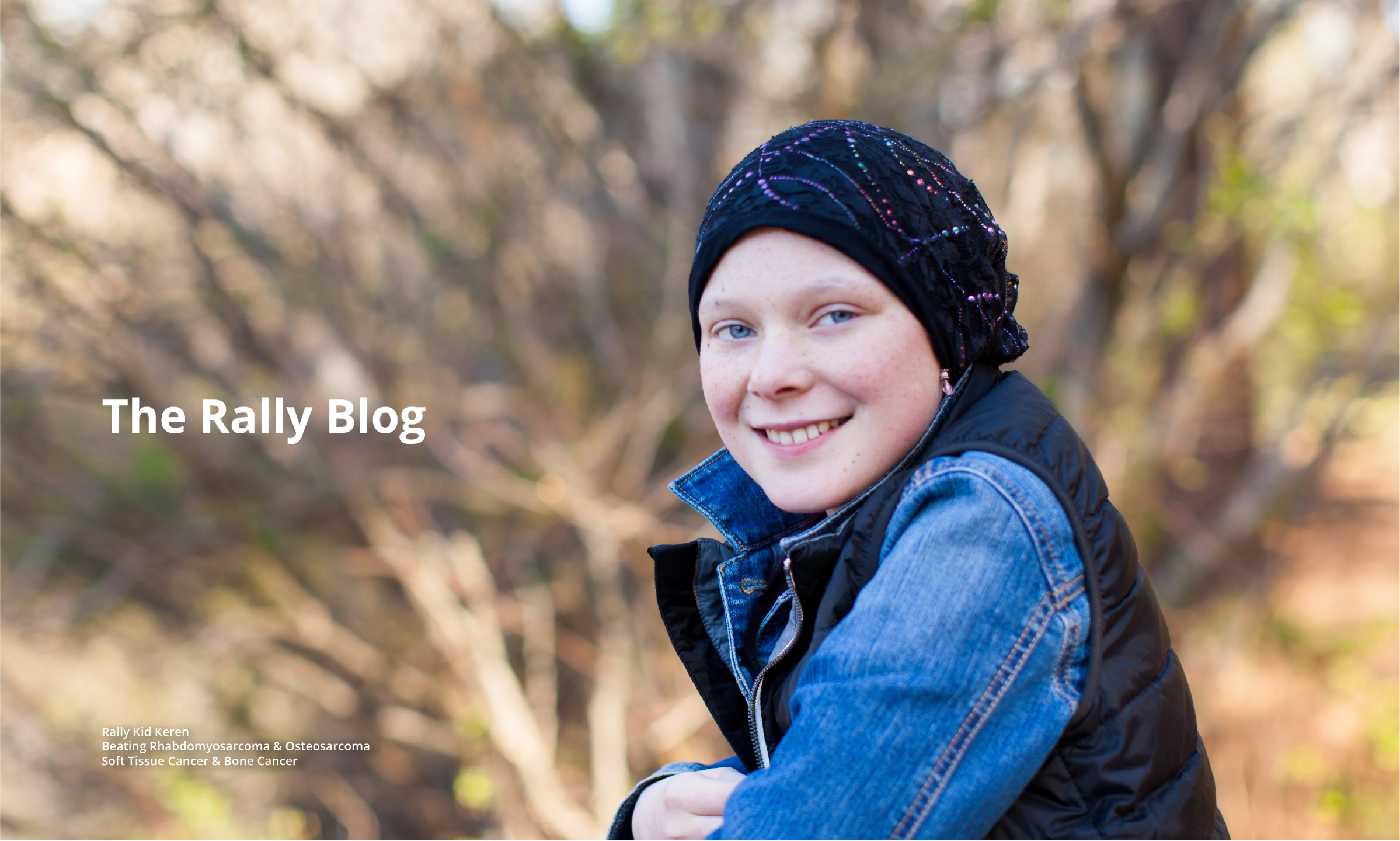
Rhabdomyosarcoma (RMS) is a type of soft tissue cancer that most commonly affects children and adolescents. It’s often found in skeletal muscle tissue or organs, such as the head and neck area, the urinary system, the reproductive system or appendages like the arms and legs. Rhabdomyosarcoma is part of a larger grouping of cancers called sarcomas which emerge in the body’s connective tissues, like muscles, fat, bones, blood vessels and joints. There are 50 different types of sarcomas. There...
Osteosarcoma is the most common type of bone cancer in children and adolescents. The tumor often originates in the long bones of the body, and while osteosarcoma frequently starts in a particular bone, it can potentially move to other sites in the body, such as the lungs and other bones. This movement, known as metastasis, makes the disease more difficult to treat. “For patients that present with no evidence of metastatic or disseminated disease, the overall prognosis is about 70-75%,” said...
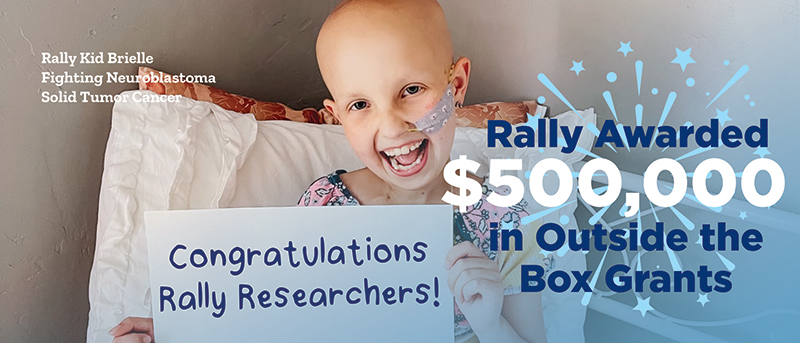
Breakthroughs happen — in science, in medicine and especially in childhood cancer research — with outside-the-box thinking. At Rally Foundation, we believe that bold ideas deserve a chance, and each one may be that next big breakthrough. That’s why we created the Outside the Box Grant. We want to fund innovative, early-stage research to challenge the status quo and inspire new discoveries. Each year, the focus of this grant shifts to meet emerging needs in childhood cancer research. For 2025,...
At Rally, we believe that innovative research begins with innovative researchers. That’s why we are thrilled to announce the recipients of our Rally Career Development Awards, an investment of $1,250,000 in the future of childhood cancer research. So, what is a Rally Career Development Award? This award targets early-career investigators. In their first independent faculty appointment, they are transitioning from mentorship to launching their own research labs, publishing their own findings...
We are thrilled to share that Rally Foundation has awarded a total of $800,000 in funding for Consortium Grants this year. So, what exactly is a consortium? In short, it’s teamwork at its best! A consortium brings together three or more institutions, such as hospitals and universities, to work together on a grant-supported research project. A principal investigator from the lead institution submits an application for the grant with the support of at least two other collaborating institutions....
Rally is thrilled to announce that $1,087,500 has been awarded through this year’s Independent Investigator Grants — supporting innovative research in the fight against childhood cancer! But who exactly are these independent investigators? Independent investigators are generally professors or faculty members who lead their own labs and drive forward big-picture ideas. As the principal investigators, they’re the ones developing ideas, designing the studies, mentoring young scientists and...