
What Are the Most Common Childhood Cancers?
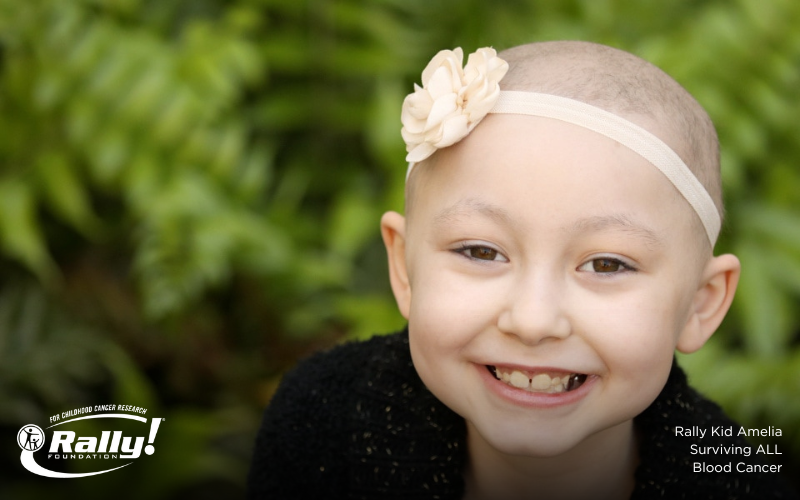
It’s no secret that adults get cancer. But children get cancer, too -- and it’s more common than you might think. Worldwide, 300,000 kids are diagnosed with cancer every year. And in the U.S., 1 in 285 children will be diagnosed with cancer before they turn 20. There are many types of childhood cancers. Some cancers are more common in children than adults, and there are some cancers that only children get. Here’s a look at some of the most common childhood cancers. Leukemia The most common childhood cancer is leukemia. Leukemia is a blood cancer where the bone marrow produces too many blood cells, and the blood cells don’t function properly. There are several types of leukemia. The most common type of leukemia in children is acute lymphoblastic leukemia, or ALL. Thanks to childhood cancer research, about 90% of children diagnosed with ALL will survive. The second most common leukemia...
What is Rhabdomyosarcoma?
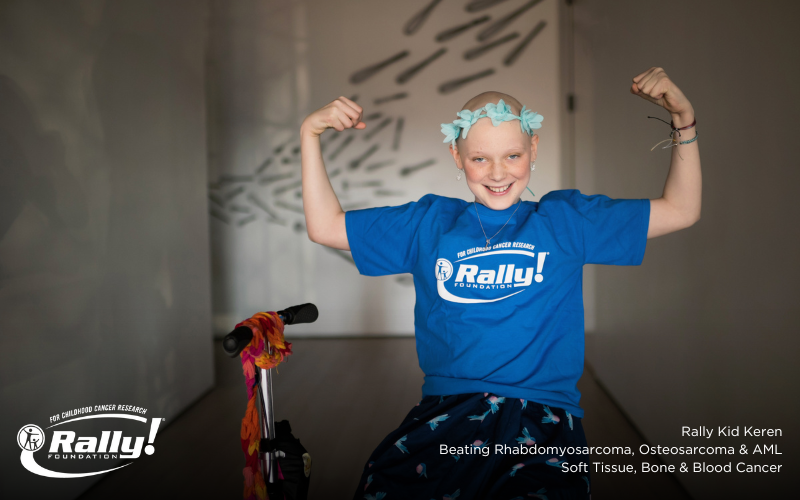
Rhabdomyosarcoma (RMS) is a type of soft tissue cancer that most commonly affects children and adolescents. It’s often found in skeletal muscle tissue or organs, such as the head and neck area, the urinary system, the reproductive system or appendages like the arms and legs. Rhabdomyosarcoma is part of a larger grouping of cancers called sarcomas which emerge in the body’s connective tissues, like muscles, fat, bones, blood vessels and joints. There are 50 different types of sarcomas. There are only two main types of rhabdomyosarcoma: embryonal rhabdomyosarcoma (ERMS) and alveolar rhabdomyosarcoma (ARMS). Embryonal rhabdomyosarcoma generally occurs in children under the age of 10. It is the most common type of rhabdomyosarcoma and is typically found in the head, neck, urinary tract or reproductive organs. Alveolar rhabdomyosarcoma is more common in adolescents and young adults, and it...

What is Ewing Sarcoma?
Ewing Sarcoma Defined Ewing sarcoma is a cancerous bone tumor that affects children, adolescent and young adults—usually developing during puberty between the ages of 10 and 20 years old. Approximately 87% of Ewing sarcomas are in the long bone, meaning the arm, thigh, shin and pelvis. On rare occasion, Ewing sarcomas can occur in soft tissue like cartilage or nerves. These are called pPNET tumors and can be found in the nerve tissue in many parts of the body; if a pPNET is found in the chest, it is called an Askin tumor. Ewing Sarcoma Symptoms The most common symptom of Ewing sarcoma is pain and swelling at the site of the tumor that hasn’t gotten better after a couple of weeks. There also can be fever, stiffness and a lump that is warm and soft when touched. Sometimes a bone will break without cause. Symptoms can also include limping if it is in the leg or trouble breathing if it is...
May Is Brain Tumor Awareness Month
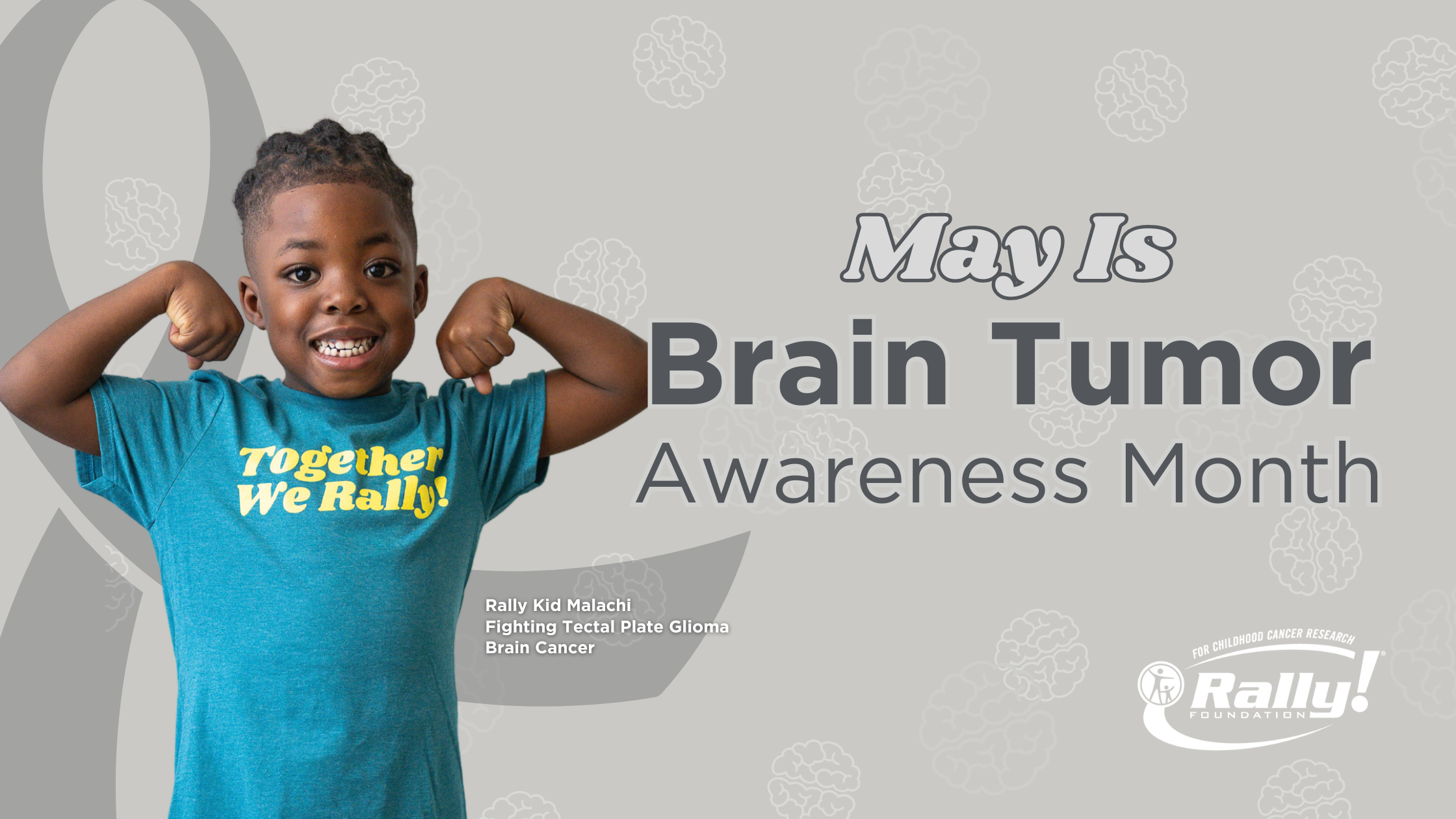
May Is Brain Tumor Awareness Month May is recognized as Brain Tumor Awareness Month, a time dedicated to shining a light on one of the most complex and aggressive forms of cancer affecting children. Brain tumors are the leading cause of cancer-related death in kids, yet they remain underfunded compared to other cancers. This month is about more than awareness. It is about urgency. It is about progress. And most importantly, it is about the children and families facing diagnoses that no one should ever have to hear. Why This Matters at Rally At Rally Foundation for Childhood Cancer Research, Brain Tumor Awareness Month is deeply personal. We fund research that pushes boundaries, helping scientists better understand these tumors and develop safer, more effective treatments. Many childhood brain tumors are difficult to treat because of their location and complexity, and current treatments...
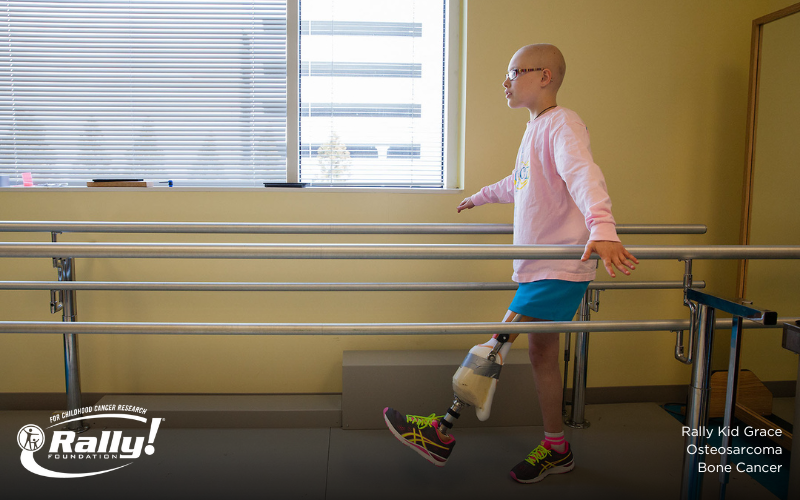
What Is Osteosarcoma?
Osteosarcoma is the most common type of bone cancer in children and adolescents. The tumor often originates in the long bones of the body, and while osteosarcoma frequently starts in a particular bone, it can potentially move to other sites in the body, such as the lungs and other bones. This movement, known as metastasis, makes the disease more difficult to treat. “For patients that present with no evidence of metastatic or disseminated disease, the overall prognosis is about 70-75%,” said Jason Yustein, MD, PhD, Director of the Faris D. Virani Ewing Sarcoma Center and Assistant Professor in the Department of Pediatrics, Section of Hematology/Oncology, at Baylor College of Medicine. “Unfortunately, for those patients diagnosed with metastatic disease, the long-term prognosis is only 20-30%, and for those that relapse the expected outcomes can be even worse.” Besides the significantly...

What Is MIBG?
When your child is diagnosed with cancer, you have to learn a whole new language in just a few days. Terms, phrases, and abbreviations are used by healthcare professionals who deal with cancer every day. And it can leave you dazed. But sometimes it helps to use an acronym, for instance MIBG – which stands for metaiodeobenzylguanidine. Just try saying that ten times in a row! MIGB is used to treat neuroblastoma. This clear liquid consists of two materials: metaiodobenzylguanidine, or MIBG, and I-131, a radioactive material. The MIBG carries the radioactive I-131 specifically to your child’s tumors, where it targets the cancer cells over many weeks. Understanding the MIBG treatment process Before infusion Before your child receives MIBG, oral potassium iodide (also referred to as “SSKI”) is given to your child. This protects the thyroid from I-131. Your child will continue to take this...
What Are the Most Common Childhood Cancers?
It’s no secret that adults get cancer. But children get cancer, too -- and it’s more common than you might think. Worldwide, 300,000 kids are diagnosed with cancer every year. And in the U.S., 1 in 285 children will be diagnosed with cancer before they turn 20. There are many types of childhood cancers. Some cancers are more common in children than adults, and there are some cancers that only children get. Here’s a look at some of the most common childhood cancers. Leukemia The most common...
What is Rhabdomyosarcoma?
Rhabdomyosarcoma (RMS) is a type of soft tissue cancer that most commonly affects children and adolescents. It’s often found in skeletal muscle tissue or organs, such as the head and neck area, the urinary system, the reproductive system or appendages like the arms and legs. Rhabdomyosarcoma is part of a larger grouping of cancers called sarcomas which emerge in the body’s connective tissues, like muscles, fat, bones, blood vessels and joints. There are 50 different types of sarcomas. There...
What is Ewing Sarcoma?
Ewing Sarcoma Defined Ewing sarcoma is a cancerous bone tumor that affects children, adolescent and young adults—usually developing during puberty between the ages of 10 and 20 years old. Approximately 87% of Ewing sarcomas are in the long bone, meaning the arm, thigh, shin and pelvis. On rare occasion, Ewing sarcomas can occur in soft tissue like cartilage or nerves. These are called pPNET tumors and can be found in the nerve tissue in many parts of the body; if a pPNET is found in the chest,...
May Is Brain Tumor Awareness Month
May Is Brain Tumor Awareness Month May is recognized as Brain Tumor Awareness Month, a time dedicated to shining a light on one of the most complex and aggressive forms of cancer affecting children. Brain tumors are the leading cause of cancer-related death in kids, yet they remain underfunded compared to other cancers. This month is about more than awareness. It is about urgency. It is about progress. And most importantly, it is about the children and families facing diagnoses that no one...
What Is Osteosarcoma?
Osteosarcoma is the most common type of bone cancer in children and adolescents. The tumor often originates in the long bones of the body, and while osteosarcoma frequently starts in a particular bone, it can potentially move to other sites in the body, such as the lungs and other bones. This movement, known as metastasis, makes the disease more difficult to treat. “For patients that present with no evidence of metastatic or disseminated disease, the overall prognosis is about 70-75%,” said...
What Is MIBG?
When your child is diagnosed with cancer, you have to learn a whole new language in just a few days. Terms, phrases, and abbreviations are used by healthcare professionals who deal with cancer every day. And it can leave you dazed. But sometimes it helps to use an acronym, for instance MIBG – which stands for metaiodeobenzylguanidine. Just try saying that ten times in a row! MIGB is used to treat neuroblastoma. This clear liquid consists of two materials: metaiodobenzylguanidine, or MIBG, and...