
What is Chemotherapy?
You just found out that your child has cancer. And that chemotherapy is part of the treatment plan. Most everyone has heard of chemotherapy. But what is it really? Chemotherapy is any drug used to stop the growth of cancer cells. Chemotherapy is designed to either kill cells or stop them from dividing. Is there just one chemotherapy? There are many different types of chemotherapy because different chemotherapies treat different types of cancer. Sometimes your child may receive several different types of chemotherapies. How is chemotherapy given to my child? Chemotherapy may be given by mouth, injection, or by infusion—either an IV or through your child’s port. Or a combination of those. Sometimes it is given topical (on the skin). It depends on the type and stage of the cancer that is being treated. Where and how often is chemotherapy given? Chemotherapy may be given during a...

What is Radiation?
Radiation therapy is targeted energy used to destroy cancer cells, shrink tumors and/or alleviate certain cancer-related symptoms. Radiation therapy uses high-energy X-rays and other forms of radiation therapy to damage the DNA in cancer cells, killing them or depriving them of their ability to grow or divide. Radiation can be used in several ways: Primary treatment to destroy cancer cells In combination with other treatments to stop the growth of cancer cells Before another treatment to shrink a tumor After another treatment to stop the growth of any remaining cancer cells To relieve symptoms of advanced cancer Radiation therapy does not kill cancer cells immediately. It works for several days and weeks, and during the course of treatment, hopefully damaging the DNA in cancer cells so that they die or are no longer able to reproduce. Radiation therapy is one of the most common cancer...
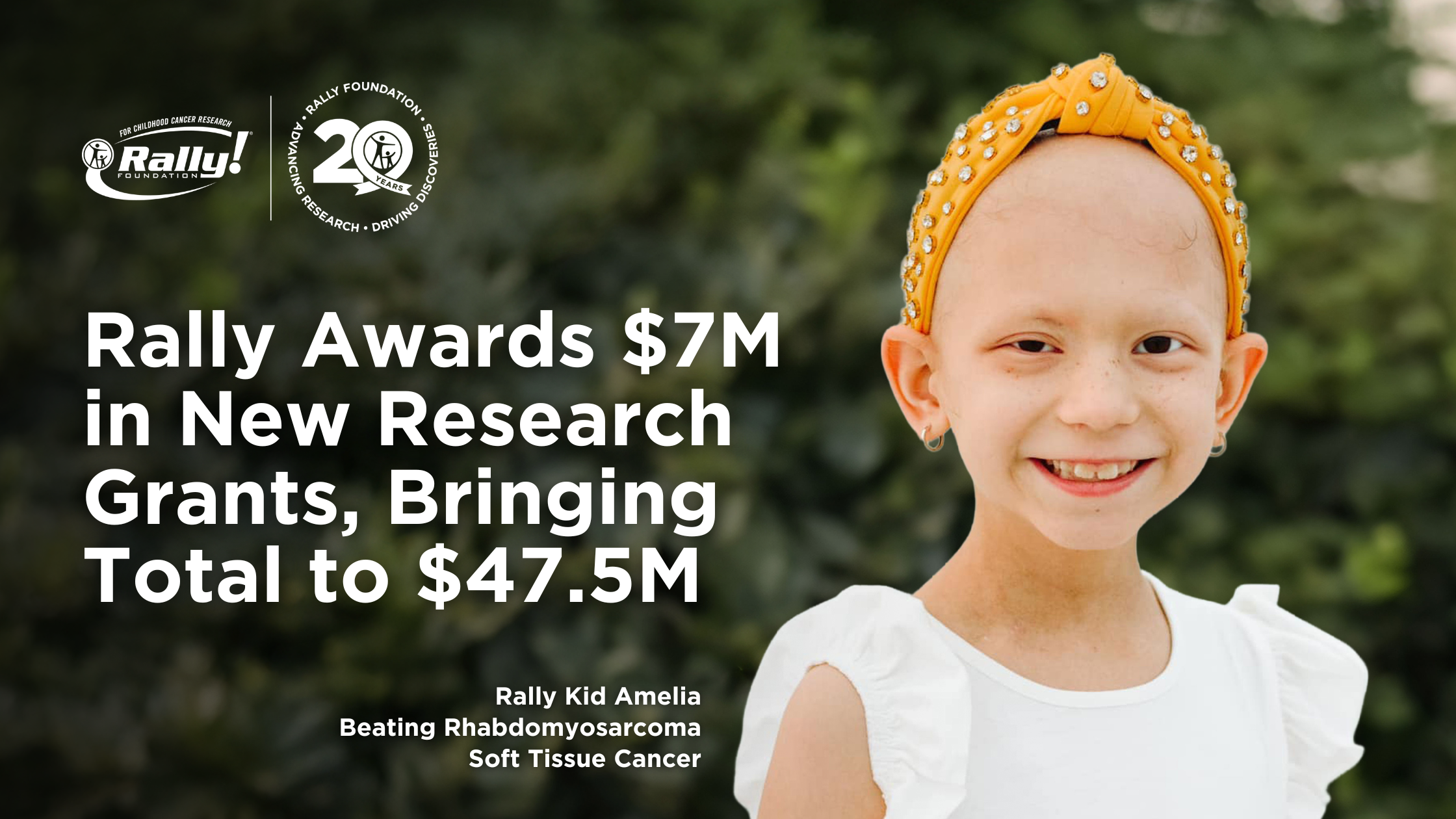
Rally Foundation Awards a Record $7M in Grants to 94 Childhood Cancer Researchers
In 2026, Rally Foundation for Childhood Cancer Research is thrilled to award a total of $7 million in childhood cancer research grants to 94 researchers across 48 institutions worldwide. This is the foundation’s largest award value to be distributed since its founding in 2005, bringing the total awarded to $47.5 million. Rally Foundation proudly funds the best and the brightest researchers, seeking the most innovative and promising research. This year’s awards include 84 grants given to 18 Postdoctoral and Clinical Research Fellows, 13 Young Investigators, 14 Career Development Awards, 24 Independent Investigators, 10 Consortiums and three Outside the Box. Plus, our 20/20: Alumni Visionary Grants, an additional 10 awards that celebrate Rally’s 20th anniversary of advancing research and driving discoveries. “This is the highest amount we have been able to award in one year,” says Dean...
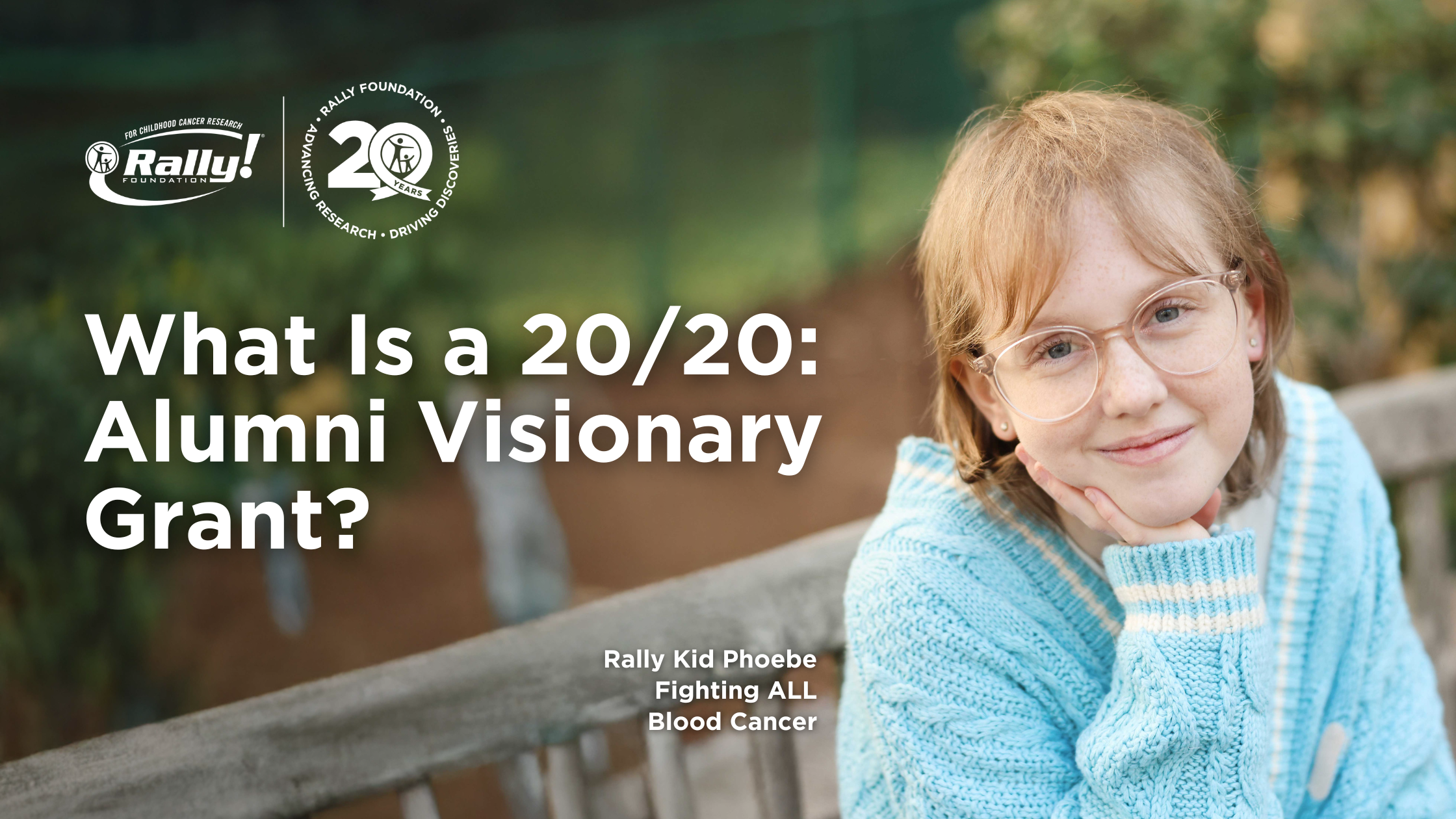
What Is Rally’s 20/20: Alumni Visionary Grant?
Honoring 20 years of innovative ideas and the visionaries behind them. For 20 years, Rally Foundation for Childhood Cancer Research has proudly supported groundbreaking ideas, empowered early career investigators and accelerated the path from bench to bedside. To recognize 20 years as philanthropic seed investors in the next great discovery, Rally Foundation launched our 20/20: Alumni Visionary Grant. This one-time, competitive grant program honors our past by reinvesting in the exceptional researchers and projects we’ve supported over the years — and empowers the next chapter of discovery. Through this grant opportunity, we strive to: Recognize the achievements of past principal investigators, whose research continues to shape the field. Support innovative, next-phase research that builds upon previous Rally-funded studies. Support forward-thinking, potentially transformative...
What is an MRI?
MRI stands for Magnetic Resonance Imaging. Having an MRI does not hurt, and it is safe – no radioactivity is present. It may take up to one hour, or, if your child needs an anesthetic, most of the day. An MRI scan provides diagnostic information not available when using plain X-rays, ultrasounds, or CT scans. Using a large magnet, radio waves and a computer, an MRI scanner creates very clear and detailed images of organs and tissues in the body. During the MRI, your child will need to lie very still on a bed that moves slowly into the center of the MRI scanner, which looks like a large round tunnel. Your child should wear comfortable, loose-fitting clothes without zippers, metal snaps or belt buckles, and cannot wear any metal such as retainers, earrings or hairclips. Think super comfy, like sweatpants and a T-shirt. The MRI scan can be very noisy, with loud knocking sounds, so your...
What is a CT Scan?
A CT (or CAT) scan is a diagnostic medical imaging procedure that creates three-dimensional images of internal organs, soft tissues, blood vessels and bones. CT stands for Computed Tomography. It provides a more detailed image than a traditional X-ray. Most CT scans take a few seconds, while some may take more than 10 minutes. The CT scanner looks like a giant donut with a sliding bed inside, and your child needs to lie very still during the procedure. It’s important to wear comfortable, loose-fitting clothes without zippers, metal snaps and belt buckles, and no other metal can be worn, such as retainers, earrings and hairclips. Think comfy clothes like sweatpants and a T-shirt. Having a CT scan does not hurt. CT machines emit low-dose radiation that passes through the body and gets picked up by electronic detectors located on the opposite side of the frame to create detailed images....
What is Chemotherapy?
You just found out that your child has cancer. And that chemotherapy is part of the treatment plan. Most everyone has heard of chemotherapy. But what is it really? Chemotherapy is any drug used to stop the growth of cancer cells. Chemotherapy is designed to either kill cells or stop them from dividing. Is there just one chemotherapy? There are many different types of chemotherapy because different chemotherapies treat different types of cancer. Sometimes your child may receive several...
What is Radiation?
Radiation therapy is targeted energy used to destroy cancer cells, shrink tumors and/or alleviate certain cancer-related symptoms. Radiation therapy uses high-energy X-rays and other forms of radiation therapy to damage the DNA in cancer cells, killing them or depriving them of their ability to grow or divide. Radiation can be used in several ways: Primary treatment to destroy cancer cells In combination with other treatments to stop the growth of cancer cells Before another treatment to...
Rally Foundation Awards a Record $7M in Grants to 94 Childhood Cancer Researchers
In 2026, Rally Foundation for Childhood Cancer Research is thrilled to award a total of $7 million in childhood cancer research grants to 94 researchers across 48 institutions worldwide. This is the foundation’s largest award value to be distributed since its founding in 2005, bringing the total awarded to $47.5 million. Rally Foundation proudly funds the best and the brightest researchers, seeking the most innovative and promising research. This year’s awards include 84 grants given to 18...
What Is Rally’s 20/20: Alumni Visionary Grant?
Honoring 20 years of innovative ideas and the visionaries behind them. For 20 years, Rally Foundation for Childhood Cancer Research has proudly supported groundbreaking ideas, empowered early career investigators and accelerated the path from bench to bedside. To recognize 20 years as philanthropic seed investors in the next great discovery, Rally Foundation launched our 20/20: Alumni Visionary Grant. This one-time, competitive grant program honors our past by reinvesting in the exceptional...
What is an MRI?
MRI stands for Magnetic Resonance Imaging. Having an MRI does not hurt, and it is safe – no radioactivity is present. It may take up to one hour, or, if your child needs an anesthetic, most of the day. An MRI scan provides diagnostic information not available when using plain X-rays, ultrasounds, or CT scans. Using a large magnet, radio waves and a computer, an MRI scanner creates very clear and detailed images of organs and tissues in the body. During the MRI, your child will need to lie very...
What is a CT Scan?
A CT (or CAT) scan is a diagnostic medical imaging procedure that creates three-dimensional images of internal organs, soft tissues, blood vessels and bones. CT stands for Computed Tomography. It provides a more detailed image than a traditional X-ray. Most CT scans take a few seconds, while some may take more than 10 minutes. The CT scanner looks like a giant donut with a sliding bed inside, and your child needs to lie very still during the procedure. It’s important to wear comfortable,...