Featured Blogs, Rally Blog, What Is
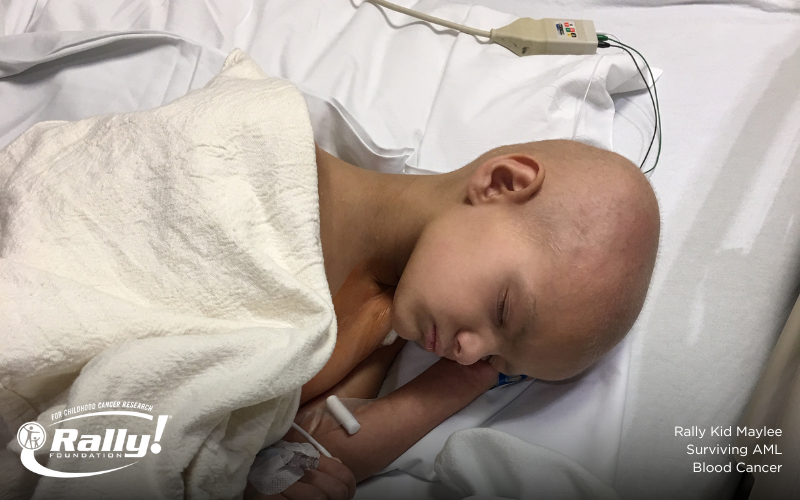
What Is a Bone Marrow Transplant? You just learned that your child has to have a bone marrow transplant. It sounds ominous. You have a lot of questions. Like, what exactly is bone marrow and what is a bone marrow transplant? Bone marrow is the soft, fatty tissue...
Featured Blogs, Grant Awards, Rally Blog, Rally Researchers, Research
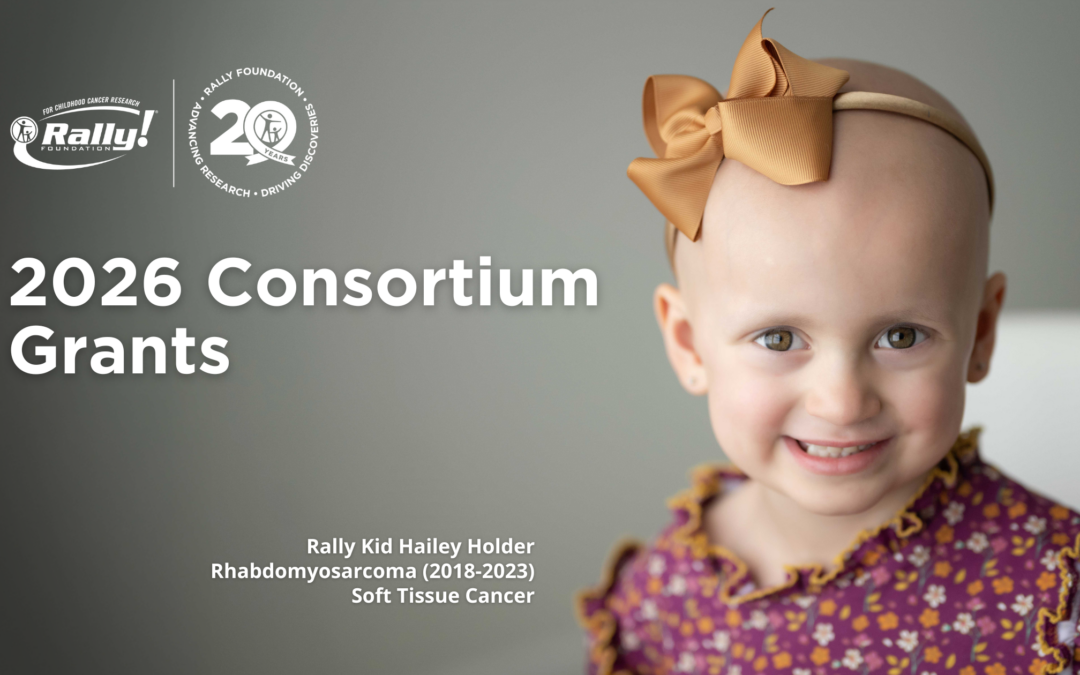
Rally Announces $1M in Awards to Consortium Grants We are thrilled to share that Rally Foundation for Childhood Cancer Research has awarded a total of $1 million in funding for Consortium Grants this year. So, what exactly is a consortium? In short, it’s teamwork at...
Featured Blogs, Grant Awards, Rally Blog, Rally Researchers, Research
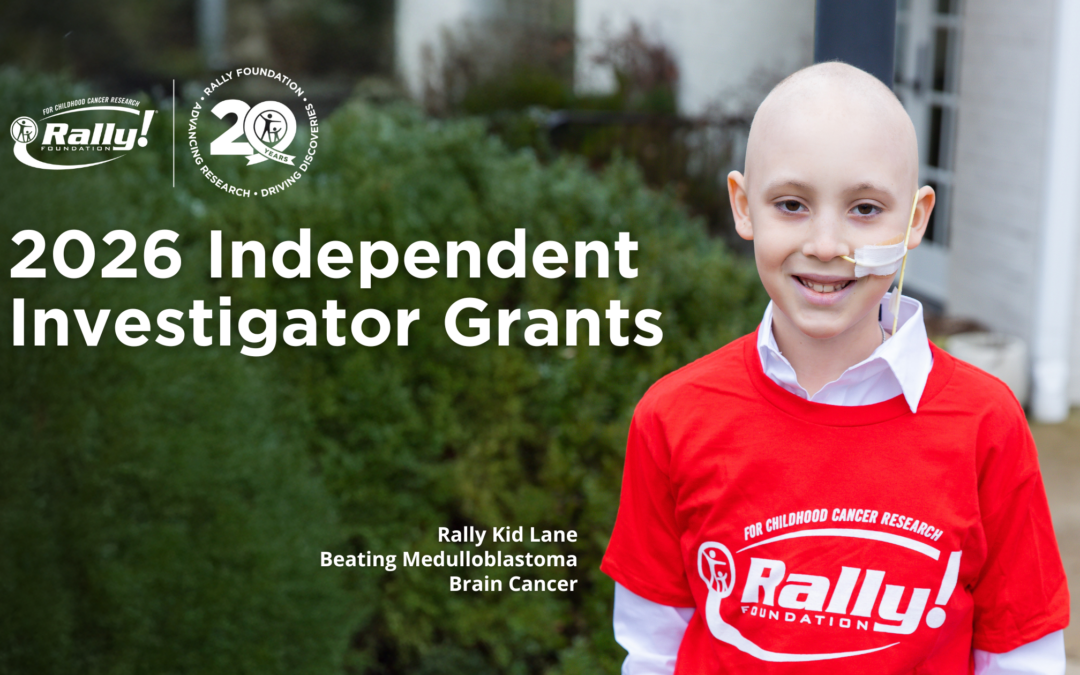
Rally Foundation Announces More Than $1M for Independent Investigator Grants Rally is thrilled to announce that $1,250,000 has been awarded through this year’s Independent Investigator Grants, supporting innovative research in the fight against childhood cancer! But...
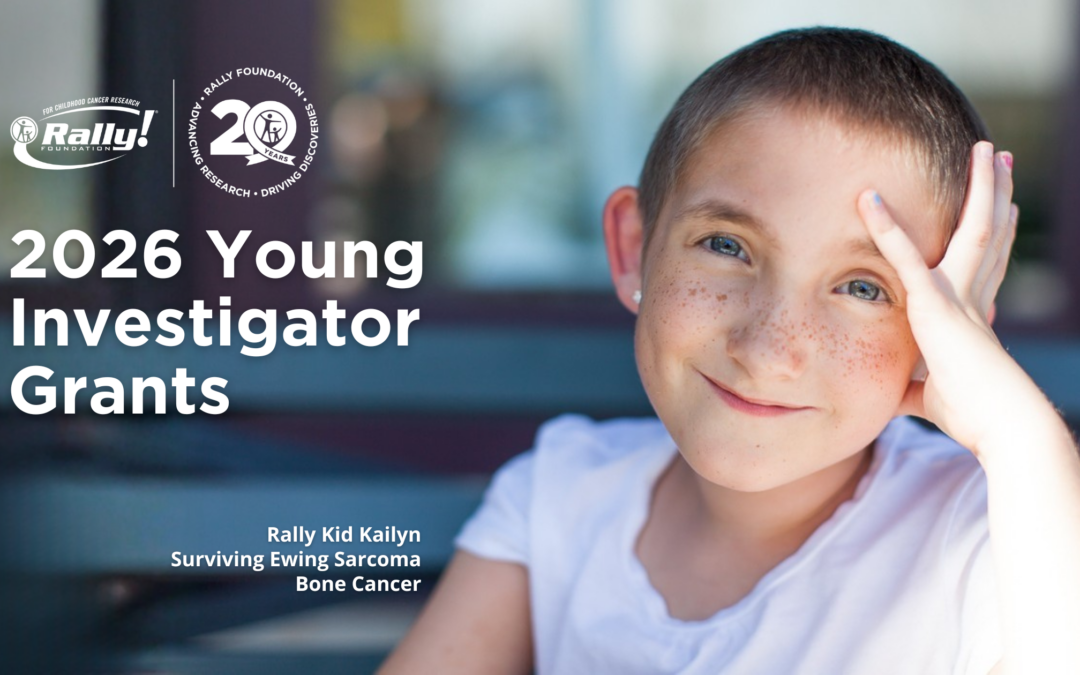
Featured Blogs, Grant Awards, Rally Blog, Rally Researchers, Research
$600,000 for Rally-Funded Young Investigator Grants We’re delighted to announce the $600,000 awarded for this year’s Young Investigator Grants, which support the next generation of childhood cancer researchers! But who exactly are these young investigators? In short,...
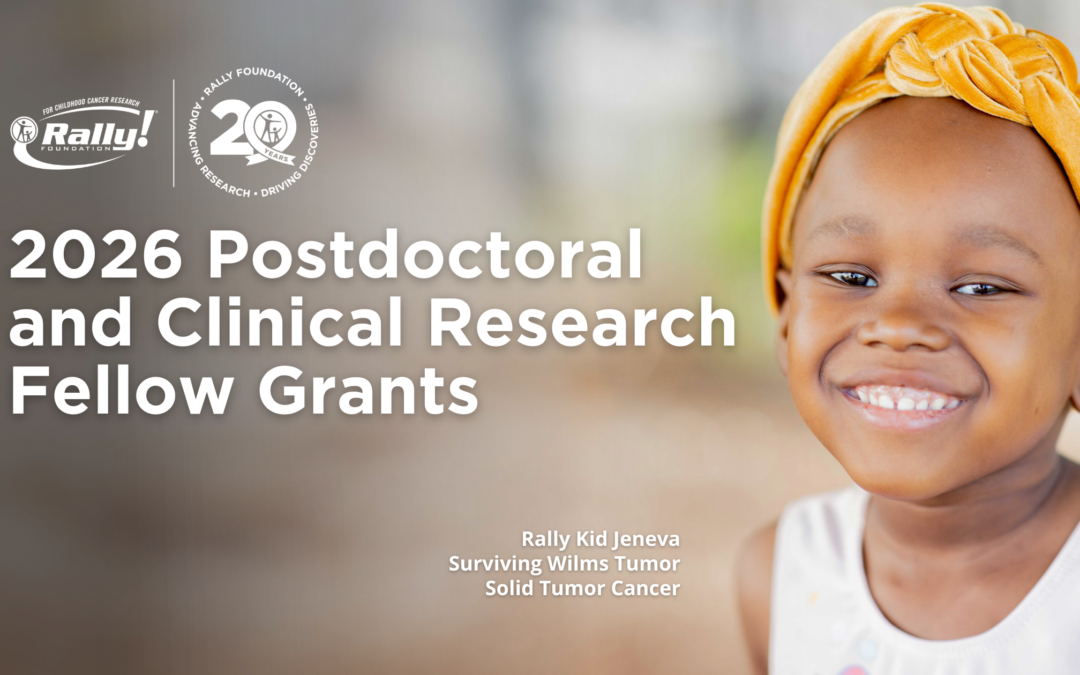
Featured Blogs, Grant Awards, Rally Blog, Rally Researchers, Research
Rally Announces $850,000 for Postdoctoral and Clinical Research Fellow Grants Rally is thrilled to announce $850,000 awarded to our 2026 Postdoctoral and Clinical Research Fellow Grants! At Rally, we know the future of pediatric cancer research lies in the hands of...