Before we get to that, let’s first address the difference between a postdoctoral fellow and a clinical research fellow. It can definitely...
What Is a Postdoctoral and Clinical Research Fellow Grant?
read more
Before we get to that, let’s first address the difference between a postdoctoral fellow and a clinical research fellow. It can definitely...
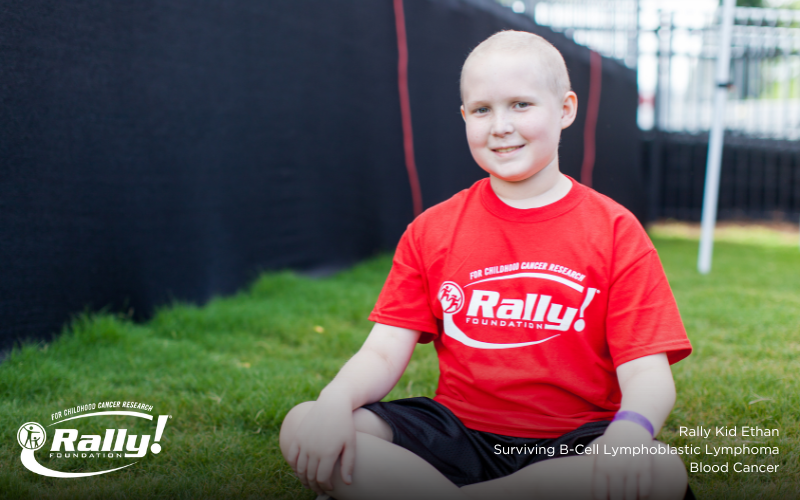
Lymphoma is a cancer of the body’s lymphatic (lymph) system which is essential to the immune system. The lymphatic system is made up of a...
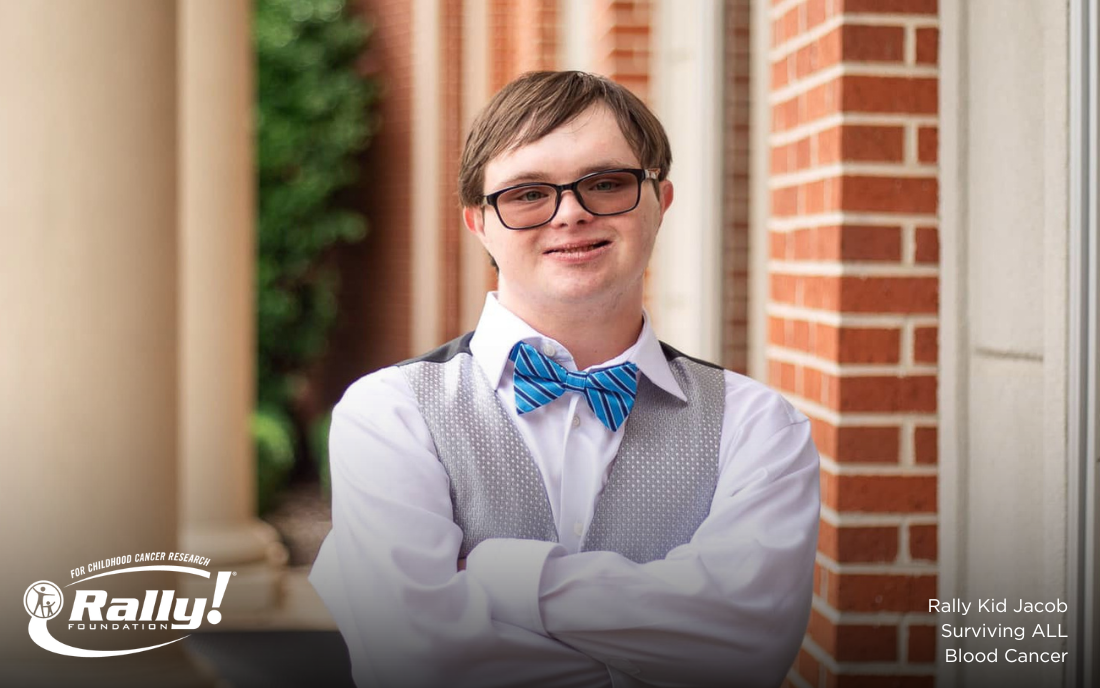
Let’s begin by explaining Down syndrome Down syndrome (DS) occurs in about one in every 700 births worldwide. There is a small change...
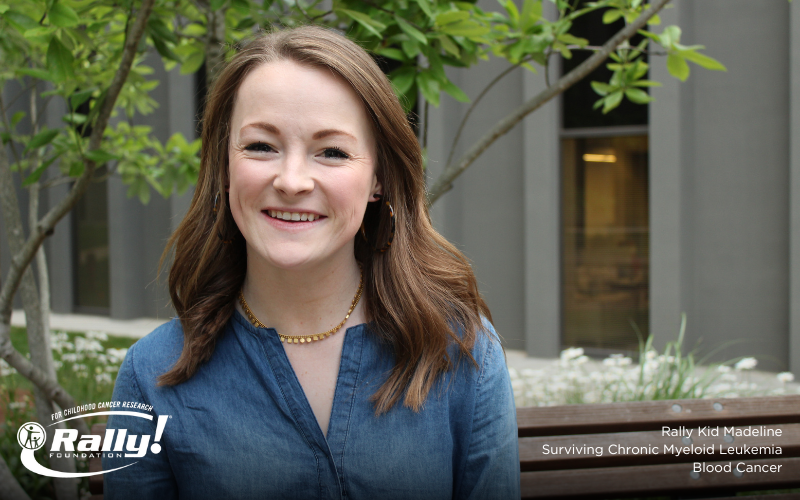
Chronic myeloid leukemia (CML) is a type of blood cancer that causes an overproduction of white blood cells. These cells grow abnormally...
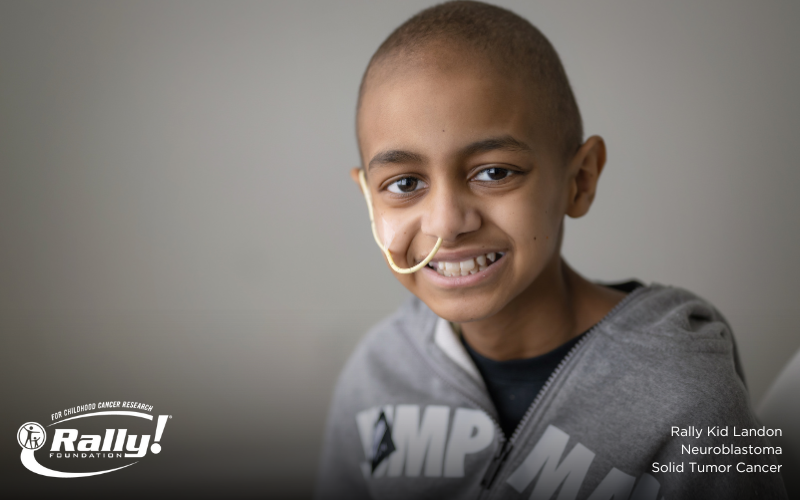
Neuroblastoma is a cancerous tumor that develops in the nervous system of babies and young children. It can also occur, rarely, in...

Atypical Teratoid/Rhabdoid Tumor (AT/RT) is a rare and fast-growing tumor that typically originates in the brain and spinal cord. These...

Dear sweet Alexa, Yesterday’s passage of the funding bill in the Senate (yes, it’s now 2026!) was a win inspired by you so many years ago....
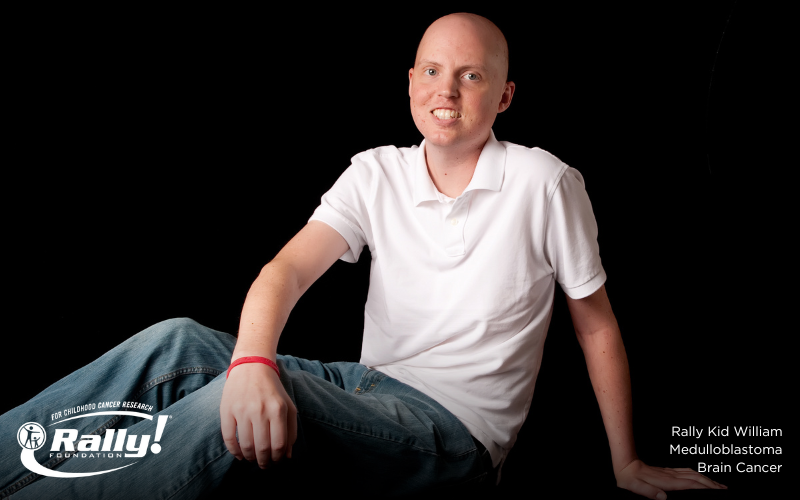
Medulloblastoma is a type of brain cancer that’s most commonly found in children. “Medulloblastoma starts in the cerebellum, which is...

Diffuse intrinsic pontine glioma (DIPG) is a brain tumor found in a part of the brain stem—above the back of the neck and connected to the...
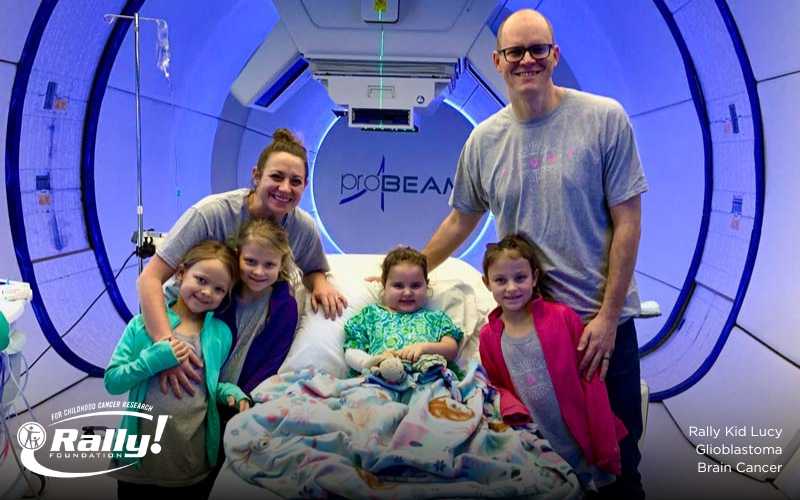
“Glioma” is a general term for a group of tumors that begin in glial cells—the supporting cells of the brain. Gliomas are classified based...

Acute lymphoblastic leukemia, also called acute lymphocytic leukemia, or ALL for short, is a type of blood cancer that causes bone marrow...
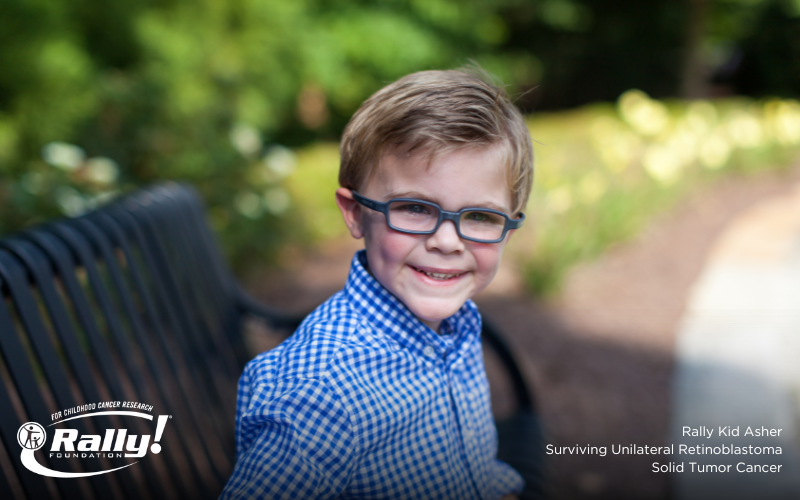
In simple terms, retinoblastoma is an eye cancer that develops in the immature cells of the retina. Though it is rare—with approximately...

Wilms tumor is a type of kidney cancer that primarily develops in children around the ages of three and four. It’s the most common type of...

Childhood cancer is a big problem. In the U.S. alone, 46 children are diagnosed with cancer every school day. But it doesn’t just affect...
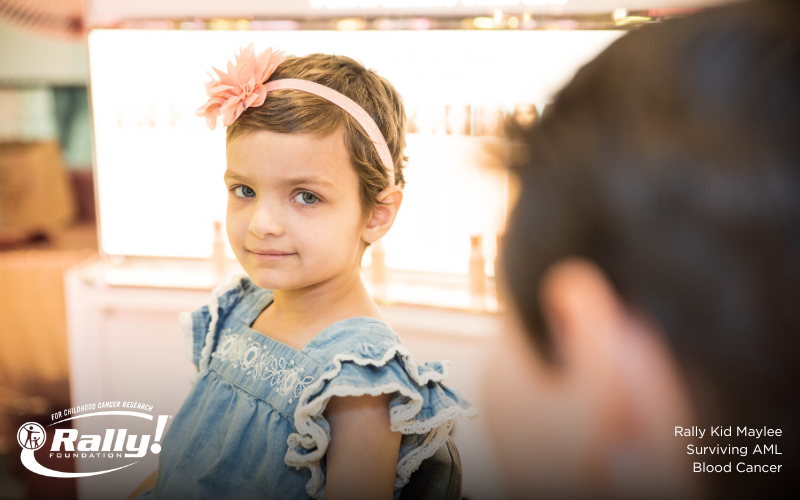
Acute myeloid leukemia (AML) is a blood cancer of the myeloid cells that normally form white blood cells, red blood cells or platelets....
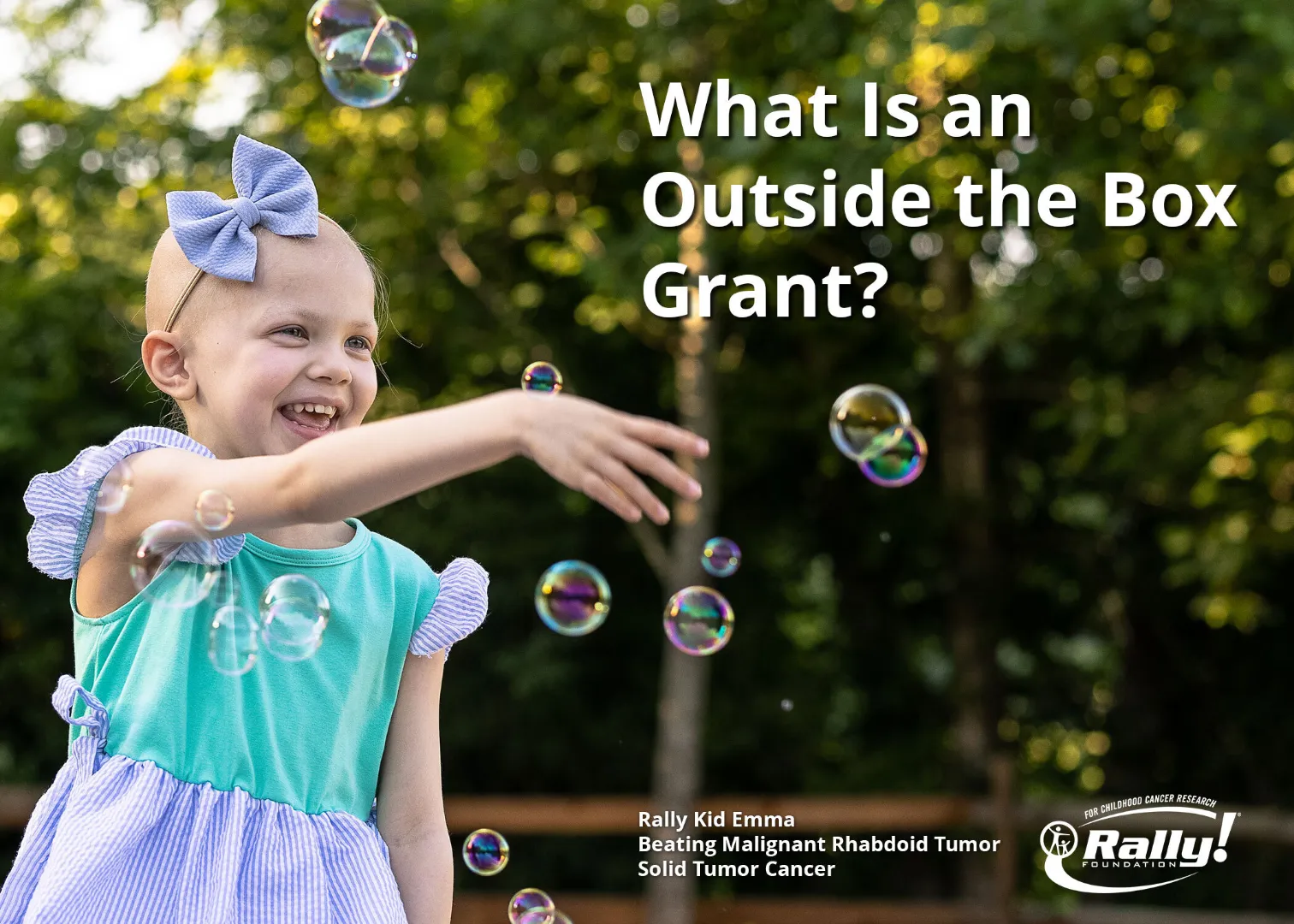
What Is an Outside the Box Grant? Outside the box thinking is critical for progress in any field. For childhood cancer, outside the box thinking may pave the way to finding better treatments and ultimately cures. Rally Foundation for Childhood Cancer Research (Rally) sees itself as a philanthropic seed investor in the next great discovery — we like to invest early and are willing to take risks. Outside the Box Grants provide seed funding for brand new ideas. RESEARCH GRANTS Rally helps fund...

OSI Connect is a free, easy-to-use, invaluable resource for those diagnosed with osteosarcoma Osteosarcoma is a difficult and frightening diagnosis, but you are not alone. You can actually connect with leading sarcoma physician experts for a free consult. Yes, free. Yes, a consult not an email. An actual conversation. Founded by parents who have walked the road you are now on, OSI Connect is a resource they wish they would have had. Diagnosis and relapse are overwhelming. It is impossible to...

Rally Kid Tyson (Image Above), brain cancer (2016-2020)Tyson was just two and a half years old when he was diagnosed with DIPG You Are Not Alone In Your DIPG / DMG Battle Hearing that your child has cancer is devastating. Hearing that your child has cancer and that it is a DIPG / DMG brain tumor is unfathomable - because in the same sentence you learn there is no known cure for DIPG / DMG. Every time we hear that a kid has received this diagnosis, Rally’s heart breaks. However, for parents who...
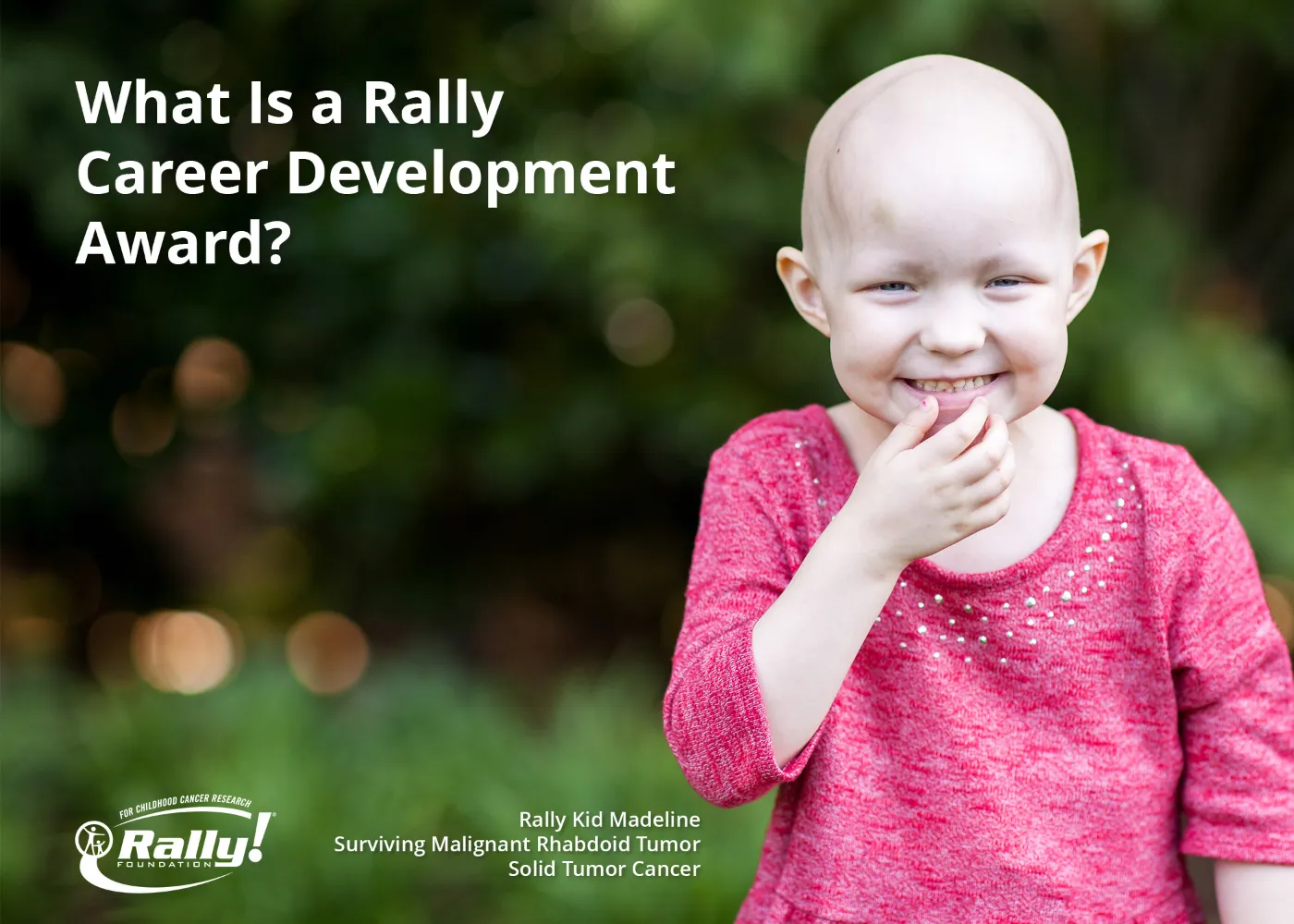
Career development awards are important. But why? Investigators in their first independent faculty appointment are at a critical career stage where they must establish themselves through research, publications and grant funding. It is important to support the development of independent research by these individuals to move them from mentorship to independence. Career development awards provide the opportunity for investigators to develop independent research by funding a significant portion of...

What exactly is a consortium? Let us explain. Rally Foundation for Childhood Cancer Research (Rally) defines a consortium as three or more institutions (i.e., university, hospital) collaborating on a grant-supported research project. A principal investigator from the lead institution applies with the support of at least two other collaborating institutions. The success of the project depends on the unique contributions of each collaborating institution. RESEARCH GRANTS Rally helps fund the...
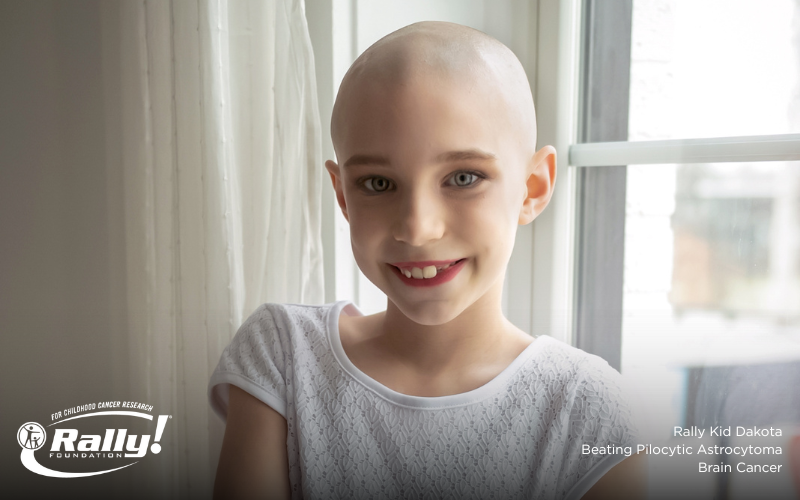
An astrocytoma is a brain tumor that begins in astrocytes—a type of glial cell that supports nerve cells in the brain. Astrocytomas can be benign or malignant and typically occur in the brainstem, cerebellum, cerebrum, hypothalamus or optic nerves. Tumors that start in glial cells are called gliomas and are named for the specific kind of glial cell in which they originate: astrocytes, oligodendrocytes or ependymocytes. Astrocytomas are the most common form of gliomas found in...